Category: Exodus

Exodus traces the thread of liberation—God hearing the cry of the oppressed, breaking the grip of bondage, and leading a people through uncertainty toward covenant and freedom. These reflections follow the journey from slavery to responsibility, from rescue to relationship.

  • Exodus 10: The Plague of Hail – Bible Story & Meaning.

    Exodus 10: The Plague of Hail and Pharaoh’s Defiance | Bible Story Explained.
    Exodus 10: The Plague of Hail – Bible Story & Meaning.

    Exodus 10: The Plague of Hail – Bible Story & Meaning.

    The story of Exodus 10 is one of the most dramatic moments in the Old Testament. Known as the Plague of Hail, this account shows the power of God, the stubbornness of Pharaoh, and the importance of obedience. It is more than an ancient record; it is a timeless lesson that still speaks to believers today.

    In this post, we will revisit the story, uncover its lessons, and reflect on how it continues to shape faith in the modern world.

    The Story of Exodus 10

    By the time we reach Exodus 10, Egypt has already endured a series of devastating plagues. Each time, Pharaoh promises to free the Israelites but quickly hardens his heart again. When God commands Moses to stretch out his staff toward the sky, the most destructive storm in Egypt’s history begins.

    Thunder roars, fire flashes through the air, and massive hailstones pound the land. Crops, livestock, and trees are destroyed. Anyone or anything left outside is struck down. It is clear that this storm is no ordinary disaster—it is a direct display of divine power.

    Yet there is also a glimmer of hope. Those who heeded God’s warning and brought their people and animals inside were spared. This distinction highlights a central truth of the passage: obedience to God’s word protects, while pride invites destruction.

    Pharaoh, shaken by the devastation, calls for Moses and Aaron. He admits his guilt and pleads for the storm to stop. But once the skies clear, his heart hardens again, continuing the cycle of pride and rebellion.

    Lessons from the Plague of Hail

    The story of the hailstorm carries powerful lessons for faith. First, it reminds us that God’s authority extends over all creation. Nature itself responds to His command. When He speaks, the elements obey.

    Second, obedience matters. Those who respected God’s instructions and sheltered their servants and animals were spared. Obedience may require humility, but it brings life and protection.

    Third, the danger of a hardened heart is clear. Pharaoh’s repeated pattern—repentance in the storm, pride in the calm—shows how easy it is to ignore truth when it is inconvenient. The account in Exodus 10 urges us to check our hearts and remain open to God, not just in moments of crisis but always.

    Modern Relevance

    The Plague of Hail may have happened thousands of years ago, but its message is still fresh. Life brings its storms—whether financial, relational, or emotional. Trusting in God’s word provides the same kind of shelter as it did for those Egyptians who listened and obeyed.

    This story also teaches us about leadership and responsibility. Pharaoh’s stubbornness did not only harm himself; it devastated his nation. Our choices, too, affect others—our families, our communities, and future generations. Walking humbly with God ensures that the impact of our decisions leads to blessing rather than destruction.

    For believers today, the Exodus 10 story is also a reminder of the importance of right priorities. Pharaoh’s pride blinded him, while those who respected God’s word found safety. In a world that often values power and pride, this lesson calls us back to humility, trust, and faith.

    Conclusion

    The Plague of Hail in Exodus 10 is more than an ancient tale. It is a living message about humility, obedience, and trust in God. Pharaoh’s pride brought devastation, while obedience brought protection. The contrast is as relevant today as it was in Egypt.

    As we reflect on this story, may we choose to listen and obey. God’s word still offers guidance, shelter, and strength in every season of life. When the storms come, trust in Him is our greatest protection.

    Exodus 10: The Plague of Hail – Bible Story & Meaning.
    Exodus 10: The Plague of Hail – Bible Story & Meaning.

    PS: If this reflection encouraged you, don’t forget to subscribe to HolyThreadProject on YouTube for more powerful Bible stories and faith lessons each week.

    #Exodus10 #PlagueOfHail #BibleStories #OldTestament #GodsPower #FaithLessons #ScriptureShorts #HolyThreadProject #BiblicalWisdom #BibleShorts

  • Exodus 9: The Plague on Livestock and Boils Explained.

    Exodus 9 Explained | The Plague on Livestock, Boils, and God’s Power.
    Exodus 9: The Plague on Livestock and Boils Explained.

    Exodus 9: The Plague on Livestock and Boils Explained.

    The story of the plagues in Egypt remains one of the most striking parts of the Old Testament. Each chapter of Exodus builds on the tension between Pharaoh’s stubbornness and God’s command to release the Israelites. In Exodus 9, the confrontation intensifies with two plagues that hit both Egypt’s wealth and its health: the plague on livestock and the plague of boils.

    The Plague on Livestock

    In Exodus 9, God warns Pharaoh through Moses that if he continues to refuse, the livestock of Egypt will suffer. Horses, donkeys, camels, cattle, sheep, and goats—all the animals that formed the backbone of Egypt’s economy—were struck with disease. Within a short time, herds perished, crippling the nation’s strength and livelihood.

    A key detail is that none of Israel’s livestock was harmed. This distinction demonstrated God’s protection over His people. It was a clear sign: the God of Israel was not only powerful but also purposeful, making a visible separation between His people and Egypt.

    The Plague of Boils

    Pharaoh, however, remained defiant. In response, God commanded Moses to take handfuls of soot and toss it into the air. In Exodus 9, the soot spread across Egypt, and boils broke out on both humans and animals. The painful sores were so severe that even Pharaoh’s magicians could not stand before Moses.

    This plague revealed the limits of Egypt’s wisdom. Those who once tried to imitate God’s power were now helpless. Their inability to respond emphasized the supremacy of God and the futility of resisting His will.

    Lessons from the Plagues

    The events of Exodus 9 are not just historical episodes but moral lessons that carry meaning today.

    1. God’s Power Over Creation – Disease and health, wealth and loss—all are under His authority.
    2. The Danger of Pride – Pharaoh’s refusal to humble himself led to greater suffering for his people.
    3. God’s Protection for the Faithful – The sparing of Israel’s livestock is a reminder of divine care for those who trust in Him.
    4. The Limits of Human Strength – Egypt’s magicians and leaders could not stand against God’s will.

    Relevance Today

    Though ancient, the story told in Exodus 9 remains relevant. Human pride, like Pharaoh’s, often resists truth even when evidence is overwhelming. People may cling to power, wealth, or knowledge, forgetting that all things rest in higher hands. These plagues remind us that arrogance has consequences, while humility opens the way to peace and deliverance.

    Modern readers can also see in this chapter a call to compassion. Pharaoh’s hardness harmed not just himself but his nation. Our choices, too, ripple outward, affecting families, communities, and even nations. Exodus 9 teaches that true leadership requires listening, discernment, and the courage to change course.

    Conclusion

    The plague on livestock and the plague of boils mark a turning point in the Exodus story. They show the cost of resistance against God and the futility of pride. More than ancient history, they are lessons for every age: to recognize God’s power, to live with humility, and to trust in His protection.

    Exodus 9 is not only a record of past events but also a living parable. It warns us of the dangers of stubbornness and invites us to seek wisdom in obedience. For those who reflect on it today, it remains a source of guidance, challenge, and hope.

    Exodus 9: The Plague on Livestock and Boils Explained.
    Exodus 9: The Plague on Livestock and Boils Explained.

    PS: If this story deepened your understanding of scripture, subscribe to HolyThreadProject on YouTube for more Bible stories, Old Testament insights, and timeless lessons from God’s Word.

    #Exodus9 #PlaguesOfEgypt #BibleStory #OldTestament #BibleShorts #Scripture #Faith #GodsPower #HolyThreadProject #BiblicalWisdom

  • Exodus 8 Explained | The Plagues of Frogs, Gnats, and Flies.

    Exodus 8 Explained | The Plagues of Frogs, Gnats, and Flies | Bible Story.
    Exodus 8 Explained | The Plagues of Frogs, Gnats, and Flies.

    Exodus 8 Explained | The Plagues of Frogs, Gnats, and Flies.

    The story of the plagues in Egypt remains one of the most dramatic narratives in the Old Testament. Each sign revealed not only God’s power but also Pharaoh’s resistance. In Exodus 8, the struggle between divine authority and human stubbornness intensifies as frogs, gnats, and flies descend upon the land. This chapter continues the unfolding story of deliverance, where God demonstrates His unmatched authority and presses Pharaoh to release the Israelites from slavery.

    The Plagues Begin

    The Book of Exodus recounts how Moses and Aaron, following God’s command, confronted Pharaoh repeatedly. In Exodus 8, the first plague described is that of frogs. Frogs swarmed out of the Nile and spread everywhere—into homes, kitchens, and even Pharaoh’s bedchamber. What seemed small became overwhelming, showing that God could use even the humblest of creatures to challenge the might of Egypt.

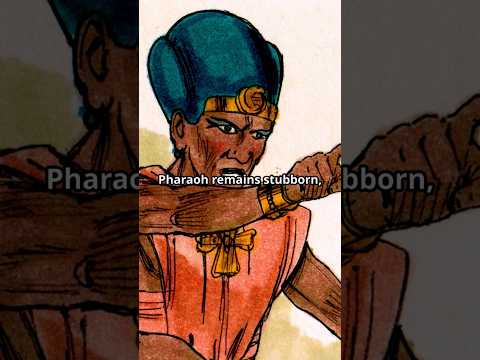
    When Pharaoh begged for relief, Moses prayed, and the frogs died out. Yet Pharaoh hardened his heart once more, refusing to let the people go. This theme of temporary repentance followed by renewed stubbornness threads throughout the plagues.

    Gnats and Flies

    The second wave came as gnats rose from the dust of the ground, covering people and animals. Unlike the frogs, this plague could not be replicated by Pharaoh’s magicians, forcing them to admit, “This is the finger of God.” Still, Pharaoh’s pride blocked him from yielding.

    Soon after, swarms of flies plagued the Egyptians. The Bible notes a distinction here: while Egypt suffered, the land of Goshen, where the Israelites lived, was spared. This separation highlighted God’s protection over His people and His control over every detail of creation.

    Lessons from Exodus 8

    The plagues in Exodus 8 were not random disasters. They were carefully chosen signs, each one dismantling Egyptian beliefs in their gods and showing that the Lord alone is sovereign. Frogs, gnats, and flies may seem ordinary, but when multiplied beyond measure, they became instruments of divine judgment.

    This chapter teaches us that:

    1. God’s Power is Unmatched – Even the smallest creatures become mighty tools in His hands.
    2. Pride Hardens the Heart – Pharaoh saw miracles yet still resisted truth.
    3. God Protects His People – The sparing of Goshen shows His care for those who follow Him.

    Relevance Today

    Though told thousands of years ago, the lessons of Exodus 8 resonate in modern life. We, too, face influences that test our faith and challenge our obedience. Just as Pharaoh clung to pride, people today often resist truth even when it is clear. The call of this passage is not only historical but also spiritual: to soften our hearts, recognize God’s authority, and walk in obedience.

    The story also demonstrates how God confronts false securities. Egypt relied on its strength and gods of nature, yet even frogs and flies overturned their confidence. In the same way, what we rely on apart from God can fail us quickly.

    Conclusion

    The narrative of Exodus 8 reveals that God’s authority extends over creation, leaders, and nations. The plagues of frogs, gnats, and flies serve as reminders that no power can resist Him forever. For believers, this chapter is both a warning against pride and a reassurance of God’s protection.

    As we reflect on these ancient plagues, we are invited to consider the state of our hearts. Will we follow Pharaoh in stubbornness, or will we choose humility and obedience? The story calls us to faith, reminding us that God’s plan for freedom and deliverance cannot be stopped.

    Exodus 8 Explained | The Plagues of Frogs, Gnats, and Flies.
    Exodus 8 Explained | The Plagues of Frogs, Gnats, and Flies.

    PS: If you found meaning in the story of Exodus 8, be sure to subscribe to HolyThreadProject on YouTube for more Bible stories, scripture insights, and timeless lessons from God’s Word.

    #Exodus8 #PlaguesOfEgypt #BibleStory #OldTestament #BibleShorts #Scripture #Faith #GodsPower #HolyThreadProject #BiblicalWisdom

  • Exodus 7: First Plagues of Egypt | Bible Story Short.

    Exodus 7: The First Plagues of Egypt | Moses Before Pharaoh | Bible Story Short.
    Exodus 7: First Plagues of Egypt | Bible Story Short.

    Exodus 7: First Plagues of Egypt | Bible Story Short.

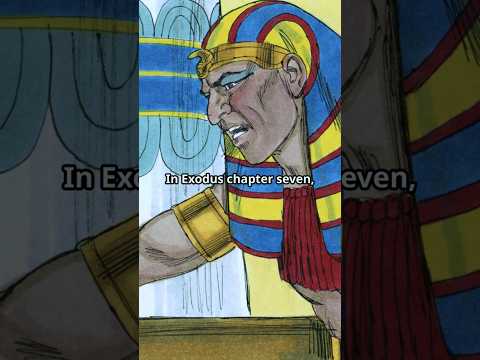
    The book of Exodus is one of the most powerful narratives in the Bible, filled with drama, deliverance, and demonstrations of God’s authority. Exodus 7 marks a turning point in the story of Moses and Israel’s struggle for freedom. This chapter introduces the first of the famous plagues that God sends upon Egypt to show His power and to persuade Pharaoh to release His people.

    The confrontation between Moses, Aaron, and Pharaoh reveals a deep spiritual conflict: human pride against divine authority. The first plague—the Nile River turned into blood—isn’t just a striking miracle. It’s a direct challenge to Egypt’s false gods and a sign that the Lord rules over creation.

    Moses, Aaron, and Pharaoh’s Hardened Heart

    Before the drama of the plagues begins, God makes it clear to Moses that Pharaoh’s heart will be hardened. This detail in Exodus 7 is important. Pharaoh isn’t simply stubborn; his resistance becomes the stage upon which God will display His greatness.

    Moses and Aaron are commanded to confront Pharaoh with the words: “Let My people go.” Pharaoh, confident in his power and surrounded by advisors, refuses to bow. To demonstrate God’s authority, Aaron casts down his staff, which becomes a serpent before Pharaoh and his court. The magicians of Egypt manage to imitate this sign, but Aaron’s serpent swallows theirs, proving God’s superiority. Despite this, Pharaoh remains unshaken.

    The First Plague: Water Turned to Blood

    The first great judgment in Exodus 7 is the transformation of the Nile River. The Nile was central to Egypt’s identity, economy, and even religion. It brought life to the desert and was revered as sacred. God instructs Moses and Aaron to stretch out the staff over the waters, and instantly the river turns into blood.

    The consequences are devastating. Fish die in the waters, the river emits a terrible stench, and the people of Egypt scramble to find drinkable water by digging along the banks. For seven days the plague continues, leaving Egypt in distress.

    The magicians attempt to reproduce the plague, but they cannot reverse it. Their power, limited and shallow, only proves how great God’s authority truly is. This first act sets the tone for the plagues that follow, each one escalating in power and impact.

    Spiritual Lessons from Exodus 7

    The story of Exodus 7 offers more than history. It contains spiritual truths that remain relevant today.

    • God’s Power is Supreme: Even the mightiest empire on earth cannot resist His hand. Pharaoh’s throne, armies, and priests are powerless before the Lord.
    • False Powers are Limited: The magicians could imitate signs, but they could not bring healing, restoration, or life. Only God could control the outcome.
    • Judgment and Mercy Intertwined: Though the plagues are acts of judgment, they are also opportunities for Pharaoh to humble himself. God’s justice always carries the hope of repentance.

    Why Exodus 7 Matters for Us Today

    Modern readers might wonder how an ancient story of rivers turning to blood applies to life now. The lesson of Exodus 7 is timeless: human pride and resistance lead to ruin, while humility and obedience lead to life. Pharaoh’s defiance left Egypt broken. Our own pride, if left unchecked, can distance us from God’s blessing.

    The chapter also reassures believers that God hears the cries of His people. Just as He moved powerfully to free Israel from slavery, He still moves in our lives today. When circumstances seem impossible, Exodus reminds us that God has the final word.

    Conclusion

    Exodus 7 is more than the start of the plagues; it is the unveiling of God’s sovereignty over nations, rulers, and creation itself. Pharaoh’s hard heart becomes the backdrop for God’s mighty hand to be revealed. The Nile, once Egypt’s pride, becomes the symbol of divine judgment. And through it all, God proves that His authority is unmatched.

    This chapter invites each of us to consider: are we like Pharaoh, resisting God’s voice, or are we willing to yield and experience His deliverance?

    Exodus 7: First Plagues of Egypt | Bible Story Short.
    Exodus 7: First Plagues of Egypt | Bible Story Short.

    P.S. If you enjoyed this breakdown of Exodus 7 and want more powerful Bible story insights, don’t forget to subscribe to the HolyThreadProject on YouTube for weekly scripture shorts!

    #Exodus7 #BibleStory #PlaguesOfEgypt #MosesAndPharaoh #OldTestament #FaithInGod #BibleStudy #HolyThreadProject

  • Exodus 6 – Moses and Aaron Before Pharaoh | Bible Story.

    Exodus 6 – Moses and Aaron Before Pharaoh | God’s Promise of Deliverance | Bible Story.
    Exodus 6 – Moses and Aaron Before Pharaoh | Bible Story.

    Exodus 6 – Moses and Aaron Before Pharaoh | Bible Story.

    The story of Exodus 6 is a pivotal moment in the Bible. It reveals God’s covenant promise to His people and His plan to deliver them from bondage in Egypt. While Pharaoh remains stubborn, God strengthens Moses and Aaron, preparing them to stand once again before the most powerful ruler of their time. This passage is not only about Israel’s liberation but also about the faith required to trust God when circumstances appear impossible.

    God’s Covenant Remembered

    In Exodus 6, God reminds Moses of the covenant He made with Abraham, Isaac, and Jacob. This promise was not a temporary agreement but an eternal commitment. He declares that He has heard the groaning of the Israelites under slavery and that He will act with a mighty hand. The covenant theme assures believers that God never forgets His word. Even when His people doubt or despair, His promises remain unbroken.

    This part of the chapter also reveals God’s heart for justice. He is not a distant observer but an active deliverer who hears the cries of the oppressed. That reminder resonates today: in moments when injustice feels overwhelming, the covenantal God still sees, hears, and responds.

    Moses’ Doubt and God’s Reassurance

    The chapter also highlights Moses’ struggle. Despite witnessing God’s power, Moses feels inadequate, describing himself as having “uncircumcised lips.” His doubt reflects the human tendency to focus on weakness instead of God’s strength. Yet God responds not with frustration but with reassurance. He commands Moses and Aaron to return to Pharaoh, showing that His mission does not depend on human eloquence but on divine authority.

    This interaction is important for modern readers who wrestle with self-doubt. God’s call is often bigger than our abilities, but He provides the courage, words, and strength to accomplish His purposes. Moses’ weakness did not disqualify him; rather, it became the stage for God’s power.

    The Hardness of Pharaoh’s Heart

    A key theme of Exodus 6 is Pharaoh’s hardened heart. Though Pharaoh is a symbol of resistance, his defiance becomes the backdrop against which God’s glory is revealed. Deliverance often comes after opposition, and this story reminds us that trials can serve as the stage for God’s power to shine. For modern readers, Pharaoh represents the obstacles in life that seem immovable, yet cannot stand against God’s will.

    Even when resistance seems endless, God’s plan continues. What looks like delay is often preparation for greater deliverance. This teaches patience, perseverance, and a long view of God’s work in history.

    Lessons for Today

    The story of Exodus 6 carries practical lessons for today’s world. It teaches us that God’s promises stand firm even when life feels overwhelming. Doubt, fear, and resistance are natural, but they do not cancel God’s plan. Moses and Aaron’s obedience shows that faith is not the absence of fear, but the willingness to act despite it.

    For those facing challenges today—whether in family, work, or health—this passage offers reassurance. God’s promises anchor us when circumstances shake us. Trusting Him does not mean struggles disappear, but it means we walk through them with confidence in His presence and power.

    Conclusion

    Exodus 6 is more than an ancient story; it is a timeless message of covenant, courage, and trust in God’s promises. By reminding Moses of His covenant, God assures all generations that His word never fails. Moses’ doubt, Aaron’s support, and Pharaoh’s opposition all combine to reveal a deeper truth: God is sovereign, and His plan will prevail.

    For modern believers, the lesson is clear—when doubt whispers and challenges roar, hold fast to God’s word. Just as He delivered Israel from Egypt, He remains the same faithful God who delivers today.

    At Your Wisdom Vault, we share stories like this to inspire reflection and faith. Let Exodus 6 remind you that God’s promises are unshakable, and His power is greater than any obstacle.

    Exodus 6 – Moses and Aaron Before Pharaoh | Bible Story.
    Exodus 6 – Moses and Aaron Before Pharaoh | Bible Story.

    PS: If this story spoke to you, don’t miss future wisdom and insights. Subscribe to HolyThreadProject on YouTube for more Bible stories and timeless lessons. 🙏

    #Exodus6 #BibleStory #Faith #GodsPromise #OldTestament #YourWisdomVault