Category: Genesis

Genesis gathers meditations on beginnings: how the world is formed, how people are shaped, and how divine purpose first enters human story. These posts explore creation, conflict, covenant, and calling as the opening movement of the HolyThreadProject.

  • Genesis 50: Joseph Dies | Bible Story of Faith & Legacy.

    Genesis 50 Explained: Joseph’s Death, Faith, and Legacy in the Bible Story.
    Genesis 50: Joseph Dies | Bible Story of Faith & Legacy.

    Genesis 50: Joseph Dies | Bible Story of Faith & Legacy.

    The closing chapter of Genesis brings us to one of the most moving moments in Scripture: the end of Joseph’s extraordinary life. The story in Genesis 50 does not just record a death; it speaks of forgiveness, legacy, and unshakable faith in God’s promises. This passage reminds us that even at life’s end, trust in God is what gives true meaning and lasting hope.

    A Quick Recap of Joseph’s Journey

    Joseph’s life was anything but simple. Betrayed by his brothers, sold into slavery, wrongfully imprisoned, and finally elevated to power in Egypt, his story is one of resilience and divine providence. By the time we arrive at Genesis 50, Joseph has saved countless lives during famine and has reconciled with his family. Instead of holding on to bitterness, he embraces forgiveness and reminds his brothers that what they meant for evil, God used for good.

    Joseph’s Compassionate Heart

    Joseph’s story is remarkable not only because of his success in Egypt, but because of his ability to forgive. Most people, when given power, might seek revenge on those who harmed them. Joseph chose a different path. His actions show us that genuine faith produces mercy, and that forgiveness can heal wounds that span years of division. This lesson is particularly meaningful in our modern world, where grudges and conflicts often tear families apart.

    The Final Words of Joseph

    Before his death, Joseph offers reassurance to his family. He acknowledges that God’s hand was always guiding the events of his life, even the painful ones. In Genesis 50, he asks that his bones be carried back to the Promised Land. This request reveals Joseph’s unwavering trust in God’s covenant with Abraham, Isaac, and Jacob. His final words echo faith in promises yet to be fulfilled. By asking to rest in the land of God’s promise, Joseph testifies that his true home was never Egypt, but the place God had set apart for His people.

    Lessons from Genesis 50

    The story of Joseph’s passing leaves us with powerful spiritual lessons:

    • Forgiveness heals wounds: Joseph’s mercy toward his brothers shows us how forgiveness restores families and reflects God’s love.
    • Faith outlasts life: His insistence on being buried in the Promised Land is a declaration of trust in God’s word.
    • God’s plan is greater than human schemes: Joseph reframes betrayal as part of a divine design that saved many lives.
    • Legacy matters: Wealth, power, and fame fade away, but faith leaves a lasting inheritance for generations to come.

    Why This Story Still Matters

    Even today, the message of Genesis 50 resonates. We often face struggles, betrayals, or setbacks that seem senseless. Yet this chapter teaches us to trust that God’s plan can turn pain into purpose. It reminds believers that faith is not just for good times—it is an anchor in moments of loss, uncertainty, and transition. In a culture obsessed with success, Joseph reminds us that our greatest achievement is to remain faithful to God until the very end.

    Applying the Message in Daily Life

    How can we live out the lessons of Joseph’s story? By practicing forgiveness even when it is difficult, by clinging to God’s promises during trials, and by remembering that our true legacy is faith, not possessions. Like Joseph, we can choose to let go of bitterness and instead trust in God’s greater plan for our lives. We can also honor the generations before us, just as Joseph honored God’s covenant by looking forward to the Promised Land. Every act of compassion, every word of forgiveness, and every step of faith becomes part of the spiritual heritage we leave behind.

    Conclusion

    The final chapter of Genesis closes with the death of a great leader, but more importantly, it closes with a testimony of faith. The story in Genesis 50 assures us that regardless of what trials we face, God’s promises remain unbroken. Joseph’s legacy calls us to live with forgiveness, hope, and an eternal perspective. His story is not just history—it is a living reminder that faith outlasts death and that God’s plan always prevails.

    Genesis 50: Joseph Dies | Bible Story of Faith & Legacy.
    Genesis 50: Joseph Dies | Bible Story of Faith & Legacy.

    P.S. If this reflection on Genesis 50 encouraged your faith, subscribe to HolyThreadProject on YouTube for more Bible stories and timeless wisdom from Scripture. ✨

    #Genesis50 #BibleStories #HolyThreadProject #Faith #ChristianShorts

  • Genesis 49—Jacob’s Last Words and Prophetic Blessings.

    Genesis 49 Bible Study: Jacob’s Last Words, Prophecies, and Final Blessings.
    Genesis 49—Jacob’s Last Words and Prophetic Blessings.

    Genesis 49—Jacob’s Last Words and Prophetic Blessings.

    The chapter of Genesis 49 holds one of the most remarkable scenes in the Old Testament. Jacob, nearing the end of his life, gathers his twelve sons to speak words that are more than farewells. They are prophetic blessings and warnings that shape the destiny of the tribes of Israel. This passage is both historical and spiritual, offering insight into how legacies are formed through speech and how faith can echo across generations.

    The Gathering of the Sons

    As Jacob calls his sons together, the atmosphere is charged with significance. Each son knows that what their father says will carry weight for the future. Unlike casual goodbyes, these words have a prophetic tone. In Genesis 49, Jacob’s blessings are connected to the character and choices of each son. Some receive encouragement and promises of greatness, while others hear words of warning that reflect past actions.

    Judah and the Promise of Leadership

    Perhaps the most famous blessing is spoken over Judah. Jacob declares that the scepter will not depart from him, pointing to leadership and kingship. This prophecy has been understood by many to foreshadow the rise of David and ultimately the lineage leading to Christ. In this way, Genesis 49 becomes not just a family moment but a cornerstone of biblical prophecy.

    Joseph and the Blessing of Fruitfulness

    Joseph, who endured hardship and rose to power in Egypt, receives one of the richest blessings. Jacob speaks of fruitfulness, resilience, and divine favor. The words affirm Joseph’s character as someone who remained faithful despite trials. The blessing also extends to his descendants, showing how the legacy of integrity can bear fruit for generations.

    Other Sons and Honest Words

    Jacob does not shy away from honesty. To some sons, he recalls flaws and actions that bring limits to their future. Reuben, for example, is remembered for instability, and Simeon and Levi for violence. These sobering words remind us that choices have consequences. Yet even here, the underlying theme of Genesis 49 is that truth spoken in love can guide descendants toward reflection and growth.

    Lessons for Today

    The blessings in Genesis 49 are not only ancient history. They still speak to modern readers about the power of words and the importance of legacy. Just as Jacob’s words shaped tribes, our words can shape families, communities, and futures. The chapter also challenges us to consider what kind of blessing or warning our actions would inspire if we stood before a wise elder today.

    Prophecy and Fulfillment

    Looking back across the Bible, the words of Jacob in Genesis 49 find fulfillment in remarkable ways. The tribe of Judah indeed produced kings, Joseph’s descendants thrived, and the histories of the other tribes followed paths similar to the blessings or warnings given. This continuity reminds us that scripture is not random but interconnected, weaving together themes of faith, responsibility, and divine guidance.

    Conclusion

    Genesis 49 is more than a farewell scene; it is a prophetic moment that still inspires reflection. Jacob’s final words show the importance of speaking truth, offering blessings, and leaving a legacy rooted in faith. For modern readers, the passage invites us to reflect on how our words and actions will echo into the future. Just as Jacob’s blessings shaped the tribes of Israel, our choices can shape the lives of those who come after us.

    Genesis 49—Jacob's Last Words and Prophetic Blessings.
    Genesis 49—Jacob’s Last Words and Prophetic Blessings.

    PS: If you found inspiration in Jacob’s final words, consider subscribing to HolyThreadProject on YouTube for more scripture insights, Bible stories, and timeless wisdom. 🕊️

    #Genesis49 #PropheticBlessings #HolyThreadProject #BibleStories #ScriptureWisdom

  • Genesis 48—Jacob Blesses Joseph’s Sons | Bible Story.

    Genesis 48 Explained: Jacob Blesses Joseph’s Sons with Faith and Promise.
    Genesis 48—Jacob Blesses Joseph’s Sons | Bible Story.

    Genesis 48—Jacob Blesses Joseph’s Sons | Bible Story.

    The book of Genesis contains some of the most moving accounts in the Bible, stories that highlight God’s sovereignty and His unexpected ways of blessing His people. Among these is Genesis 48, where Jacob, at the end of his life, blesses Joseph’s sons, Ephraim and Manasseh. This moment is more than a family blessing—it is a turning point that demonstrates how God’s plan often works outside human tradition.

    The Setting of the Chapter

    After years of hardship and reunion, Jacob is old and frail in Egypt. Joseph, who once suffered betrayal by his brothers but rose to power, brings his two sons to their grandfather’s side. This moment in Genesis 48 is filled with anticipation. As the patriarch, Jacob’s blessing would carry spiritual weight, shaping the destiny of future generations.

    Jacob’s Surprising Act

    Tradition dictated that the firstborn son should receive the greater blessing. Manasseh, Joseph’s eldest, would have been the expected choice. Yet Jacob, guided by God’s wisdom, deliberately crossed his hands and placed his right hand on Ephraim, the younger. This action shocked Joseph, but Jacob insisted that Ephraim would surpass his brother in future greatness. The crossing of hands symbolized that God’s purposes are not bound by human custom.

    Theological Meaning

    The blessing in Genesis 48 is a vivid reminder that God does not always follow human expectations. Throughout the Bible, God frequently chose the unexpected: David over his older brothers, Jacob himself over Esau, and now Ephraim over Manasseh. The pattern teaches us that divine choice is rooted in purpose, not in human hierarchy. For Christians today, this encourages faith in God’s plan even when it challenges worldly norms.

    Lessons for Faith Today

    The account in Genesis 48 offers several lessons:

    • Trust in God’s plan: His wisdom surpasses tradition and human reasoning.
    • Humility in leadership: True greatness is not inherited by birthright but granted by God.
    • Faith through uncertainty: Joseph’s surprise reminds us that even the faithful must learn to accept God’s unexpected ways.

    These lessons continue to inspire believers who wrestle with uncertainty or wonder why events unfold in unexpected ways. The story of Jacob’s blessing assures us that divine purpose often takes a different path than we anticipate.

    Relevance for Modern Readers

    In today’s world, many people measure success by status, tradition, or cultural expectations. The blessing of Ephraim over Manasseh demonstrates that God values obedience and purpose over position. By reflecting on this chapter, readers are reminded to align their lives with God’s direction rather than relying solely on human systems of honor.

    The narrative also serves as a call to parents and leaders. Just as Jacob passed on spiritual blessings, we too are called to bless the next generation—not merely with material gifts but with faith, encouragement, and guidance.

    Conclusion

    Genesis 48 is more than an ancient family story. It is a testimony of how God’s blessings work beyond human structures and expectations. Jacob’s crossing of hands remains a powerful symbol of divine sovereignty, reminding us that God’s plan is always greater than our own. For anyone seeking encouragement, this chapter is a clear invitation to trust in God’s wisdom and to pass on faith to future generations.

    Genesis 48—Jacob Blesses Joseph’s Sons | Bible Story.
    Genesis 48—Jacob Blesses Joseph’s Sons | Bible Story.

    PS: If you found encouragement in the story of Genesis 48, don’t forget to subscribe to HolyThreadProject on YouTube for more inspiring Bible stories and reflections. Remember, God’s plan is always greater than tradition and full of blessing.

    #Genesis48 #BibleStory #HolyThreadProject #FaithLessons #OldTestament #ScriptureShorts #BibleTeachings #ChristianInspiration

  • Genesis 47—Jacob and His Family Settle in Goshen.

    Genesis 47 Explained: Jacob and His Family Settle Peacefully in Goshen.
    Genesis 47—Jacob and His Family Settle in Goshen.

    Genesis 47—Jacob and His Family Settle in Goshen.

    The book of Genesis is filled with powerful stories that show God’s faithfulness, provision, and guidance. In Genesis 47, we witness a turning point for Jacob and his family as they transition from famine and uncertainty into security and blessing. This chapter tells the story of Joseph welcoming his father and brothers to Egypt, where they are given the fertile land of Goshen. Far more than a historical detail, this moment captures how God works through human events to bring about His divine purposes.

    The Journey to Goshen

    The backdrop of Genesis 47 is a world gripped by famine. Jacob and his sons had no choice but to travel to Egypt, where Joseph, once sold into slavery, had risen to power as Pharaoh’s trusted leader. Their journey was not just about survival but about fulfilling God’s plan for His people. The land of Goshen became a place of safety and provision, demonstrating that God can transform hardship into blessing.

    Pharaoh’s Welcome

    One of the most striking aspects of Genesis 47 is Pharaoh’s generosity. Despite being foreigners, Jacob’s family was offered some of the best land in Egypt. This act of kindness reminds us that God can move the hearts of rulers and leaders to fulfill His will. For Jacob’s family, Goshen was not simply a settlement—it was evidence of divine favor and provision.

    Lessons from Genesis 47

    This chapter is more than an ancient narrative; it offers timeless wisdom for today.

    1. God Provides in Hardship

    The famine was severe, yet God opened a way through Joseph’s position in Egypt. Genesis 47 illustrates that even in our darkest times, God’s provision is never unreachable.

    2. Faith Brings Stability

    Jacob trusted in God’s promises, and his faith was rewarded with safety for his family. In the same way, we can find peace and direction by holding on to God’s Word during uncertain times.

    3. Blessing Beyond Borders

    Although Jacob’s family lived in a foreign land, they prospered because God’s blessing knows no boundaries. This reminds believers today that God’s presence is not tied to location but to His covenant and faithfulness.

    Why Genesis 47 Still Matters

    For modern readers, Genesis 47 is a call to trust in God’s guidance. Life often brings seasons of scarcity, fear, or change. Yet just as God turned a famine into a season of blessing for Jacob’s family, He continues to provide and guide us through life’s challenges. The story shows that our true security does not come from circumstances but from God’s hand at work.

    Applying the Lessons Today

    • Trust God’s provision when resources feel scarce.
    • Live with faith that God’s promises extend beyond your present struggles.
    • Recognize divine favor even in unexpected places, just as Jacob’s family thrived in Goshen.

    Conclusion

    The story of Genesis 47 closes a significant chapter in the book of Genesis and sets the stage for Israel’s growth as a nation in Egypt. It is more than a record of history—it is a testimony of God’s faithfulness. By reflecting on Jacob’s journey and Joseph’s role in welcoming his family, we are reminded that God always provides, even in times of great difficulty. For those who trust Him, every season of famine can lead to a place of abundance and peace.

    Genesis 47—Jacob and His Family Settle in Goshen.
    Genesis 47—Jacob and His Family Settle in Goshen.

    P.S. If this reflection encouraged you, don’t miss future posts and videos. 🌿 Subscribe to HolyThreadProject on YouTube and stay connected as we continue exploring the timeless wisdom of Scripture. 🙏

    #Genesis47 #BibleStories #FaithAndProvision #HolyThreadProject #BibleLessons #BiblicalWisdom

  • Genesis 46: Jacob’s Journey to Egypt and God’s Promise.

    Genesis 46 Explained: Jacob’s Journey to Egypt and God’s Faithful Promise.
    Genesis 46: Jacob’s Journey to Egypt and God’s Promise.

    Genesis 46: Jacob’s Journey to Egypt and God’s Promise.

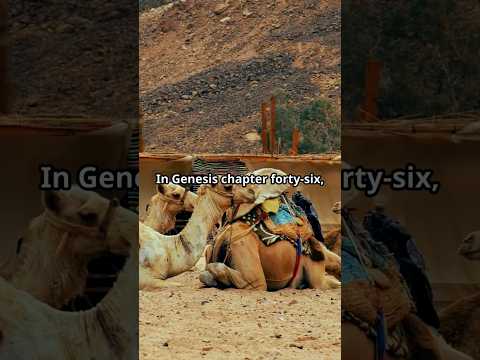
    The book of Genesis is a tapestry of faith, family, and God’s unfolding plan for His people. Among its powerful chapters, Genesis 46 offers a pivotal moment in the story of Israel. Jacob, also known as Israel, faces the life-altering decision of leaving the land of promise, Canaan, to settle in Egypt. This move was not merely geographical; it carried deep spiritual significance. In this chapter, we see how God reassures Jacob, protects His covenant, and sets the stage for the growth of a nation that will endure trials and eventually experience deliverance.

    The Call to Egypt

    At the time, famine gripped the land. Joseph, Jacob’s long-lost son, had risen to power in Egypt and offered his family a safe refuge. Yet Jacob hesitated. Egypt was foreign territory, and leaving the promised land was daunting. Before beginning his journey, Jacob stopped at Beersheba, a place of worship and history for his ancestors. There he sacrificed to God, seeking assurance before taking such a bold step. Genesis 46 records God’s response in a night vision: “Do not be afraid to go down to Egypt, for I will make you into a great nation there.”

    This moment reminds us that faith often requires leaving comfort zones. Jacob’s obedience shows that even when God’s path feels uncertain, His promises remain trustworthy.

    God’s Reassurance

    The vision at Beersheba is one of the most tender scenes in Genesis. God addressed Jacob by name and offered encouragement for the unknown journey. The promise was not vague—it was specific: God would accompany Jacob, bless his descendants, and ultimately bring them back out of Egypt. In hearing these words, Jacob’s fears were calmed.

    The reassurance of Genesis 46 underscores a recurring biblical theme: God’s people are never alone in their journeys. He walks with them into foreign lands, through hardship, and even into seasons of waiting.

    The Family of Israel

    A lengthy portion of this chapter is devoted to listing the names of Jacob’s sons, grandsons, and great-grandsons who traveled with him. While modern readers may skim past genealogies, these records carried immense importance. They demonstrated the continuity of God’s promise through generations. Each name was a life included in God’s plan, a reminder that faith is not an individual endeavor but a family legacy.

    By including this genealogy, Genesis 46 shows how the covenant made with Abraham continued to unfold. What began with one man of faith had now grown into a large family—the foundation of the nation of Israel.

    Lessons for Modern Readers

    What relevance does this ancient journey have for us today? There are several key lessons from Genesis 46 that apply directly to modern life:

    • Trust God in Transition: Like Jacob, we often face seasons of change. Moving homes, changing careers, or entering new phases of life can feel daunting. This chapter reminds us that God goes with us.
    • Generational Faith Matters: The inclusion of Jacob’s family list highlights that our faith choices impact future generations. The way we trust God today can shape the faith of our children and grandchildren.
    • God Works Through Uncertainty: Famine and displacement might seem like disasters, yet they became part of God’s greater plan to preserve His people. Our trials may also serve purposes beyond what we see.

    Why This Chapter Still Matters

    The story of Jacob’s journey to Egypt is more than history—it is an invitation to trust God in our journeys. Just as He guided Jacob, God guides us through challenges, relocations, and times of doubt. The lesson of Genesis 46 is timeless: we can move forward with courage when God’s promises are our foundation.

    Conclusion

    Genesis 46 is a chapter of faith, reassurance, and family legacy. Jacob’s journey to Egypt was not just about survival during famine; it was about God’s covenantal promise unfolding in real time. Through Jacob’s obedience and God’s guidance, the stage was set for the birth of a great nation. Today, this story continues to encourage believers to walk boldly, trust God’s plan, and remember that His promises never fail.

    Genesis 46: Jacob’s Journey to Egypt and God’s Promise.
    Genesis 46: Jacob’s Journey to Egypt and God’s Promise.

    P.S. If the story of Genesis 46 encouraged you, don’t forget to subscribe to HolyThreadProject on YouTube for more Bible stories, faith insights, and Old Testament lessons that inspire daily life. 🙏

    #Genesis46 #BibleStories #HolyThreadProject #GodsPromise #FaithJourney #OldTestament #ChristianFaith #Scripture