Category: Genesis

Genesis gathers meditations on beginnings: how the world is formed, how people are shaped, and how divine purpose first enters human story. These posts explore creation, conflict, covenant, and calling as the opening movement of the HolyThreadProject.

  • The Ark Was More Than a Boat—Genesis 7:1–9 Revealed.

    The Ark Was More Than a Boat—Genesis 7:1–9 Revealed | Salvation in Obedience.
    The Ark Was More Than a Boat – Genesis 7:1–9 Revealed.

    The Ark Was More Than a Boat—Genesis 7:1–9 Revealed.

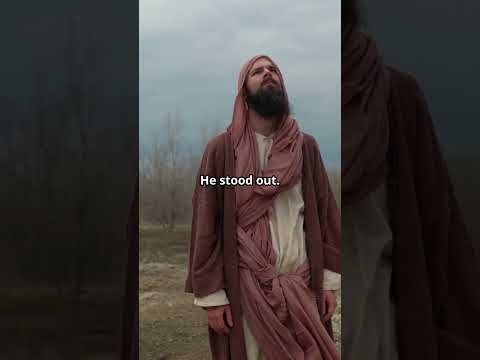
    The story of Noah’s Ark in Genesis 7:1–9 is often taught as a tale of survival—a divine warning followed by the building of a boat to escape the flood. But what if the Ark wasn’t just a physical structure? What if it represented something far deeper—a spiritual principle, a blueprint for obedience, and a symbol of trust?

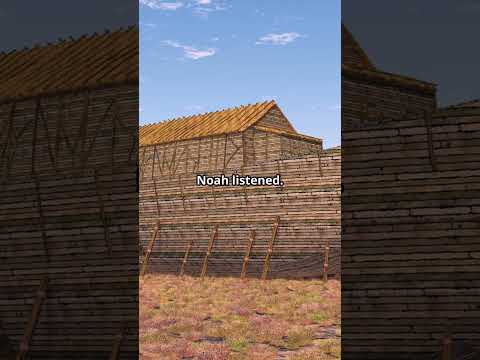
    In this HolyThreadProject short, we explore the hidden meaning of Genesis 7:1–9 and why the Ark was far more than wood, nails, and animals.

    A Closer Look at Genesis 7:1–9

    In Genesis 7:1, God says to Noah, “Go into the Ark, you and your whole family, because I have found you righteous in this generation.” This moment marks a turning point—not just in the story, but in biblical symbolism. Notice that God doesn’t say “build the Ark” here—that part’s already done. Now, He says, “enter.”

    This command represents transition, obedience, and faith in action. The Ark becomes a sacred space—not simply a shelter, but a divine threshold. To step into it is to trust fully in God’s instruction, even when the world is about to collapse.

    The Ark as a Spiritual Archetype

    Throughout Scripture, physical objects often carry deeper spiritual meaning: the Tabernacle, the Temple, the Ark of the Covenant. Likewise, Noah’s Ark isn’t just a survival pod—it’s a symbol of divine order amidst chaos.

    It separates:

    • Faith from fear
    • Obedience from resistance
    • God’s promise from the world’s corruption

    In this sense, the Ark becomes a kind of spiritual container—one that holds the righteous, protects them through the storm, and carries them toward new life.

    Obedience Before Outcome

    Genesis 7:5 says, “And Noah did all that the Lord commanded him.” That line is brief, but it carries weight. Noah didn’t hesitate, question, or delay. His obedience was immediate and complete—even when the skies were clear and the flood hadn’t yet begun.

    This is the heart of the story. The Ark works not because of its structure, but because of faith-powered obedience.

    For us today, the Ark could be anything:

    • A call to step away from noise and into silence
    • A decision to trust divine timing over human logic
    • A personal retreat into prayer when the world demands productivity

    The Flood Within

    While the biblical flood is often seen as a literal event, it also serves as a metaphor. It represents the emotional, spiritual, and societal chaos that surrounds us. In those moments of uncertainty, the invitation to “enter the Ark” becomes more than ancient instruction—it becomes a daily practice.

    The Ark is the inner space we build through trust, silence, and surrender. It’s how we float above the flood without denying it exists.

    Why This Still Matters

    At HolyThreadProject, we believe the Bible is more than ancient history—it’s a living thread of truth, constantly weaving through our lives. This short on Genesis 7:1–9 reminds us that obedience isn’t passive—it’s a bold, trusting step into the unknown.

    Noah’s story isn’t about avoiding destruction. It’s about preparing for renewal. And the Ark wasn’t just a boat—it was a covenant made visible.


    Watch the Short

    🎬 The Ark Was More Than a Boat—Genesis 7:1–9 Revealed (Video embedded above)


    Final Reflection

    Where is God asking you to “enter” today? What might your personal Ark look like?
    As we navigate storms—external and internal—we’re reminded that protection doesn’t always look like escape. Sometimes it looks like stepping into obedience, even when the clouds haven’t formed yet.

    Stay connected. Stay faithful. And keep following the threads.
    The Ark Was More Than a Boat—Genesis 7:1–9 Revealed.
    The Ark Was More Than a Boat—Genesis 7:1–9 Revealed.

    P.S.

    If this message stirred something in you, don’t scroll past it. Subscribe to HolyThreadProject on YouTube and keep uncovering the sacred threads hidden in Scripture—one short at a time. 🕊️

    #Genesis7 #NoahsArk #BibleShorts #HolyThreadProject #SpiritualSymbolism #FaithInMotion #BiblicalWisdom #ScriptureRevealed #OldTestamentTruths #ObedienceAndFaith
  • God Commands Noah to Build the Ark – Genesis 6:11-22.

    God Commands Noah to Build the Ark—Genesis 6:11–22 | Faith Before the Flood.
    God Commands Noah to Build the Ark – Genesis 6:11-22.

    God Commands Noah to Build the Ark – Genesis 6:11-22.

    In a world filled with corruption, violence, and moral decay, one man stood out—not because of perfection, but because of obedience. That man was Noah, and his story in Genesis 6:11–22 is one of the most powerful examples of faith in action found in the Bible.

    This post unpacks the moment when God commands Noah to build the ark, the meaning behind this divine instruction, and what it still speaks to us today.


    The World Had Fallen

    Genesis 6 opens with a dark snapshot of humanity. The earth had become corrupt, filled with violence and wickedness. People had turned away from God’s ways, choosing selfishness and sin over righteousness.

    In Genesis 6:11-12, it says:

    “Now the earth was corrupt in God’s sight and was full of violence… all the people on earth had corrupted their ways.”

    It was not only a physical destruction that was coming—it was a spiritual reset. But in the midst of this decay, Noah found favor in the eyes of the Lord.


    God commands: Build the Ark

    Instead of simply wiping the slate clean, God chose to preserve a remnant—a future for humanity and creation. He gave Noah a very specific and detailed task:

    “So make yourself an ark of cypress wood; make rooms in it and coat it with pitch inside and out…” (Genesis 6:14)

    From its dimensions (300 cubits long!) to its three decks and single door, the instructions weren’t vague. They were exact, showing that God is not only a righteous judge but also a God of order, structure, and purpose.

    The ark wasn’t just a boat—it was a symbol of God’s mercy, protection, and covenant.


    Noah’s Radical Obedience

    What’s truly remarkable is not just that God gave a command—but that Noah obeyed without hesitation. Genesis 6:22 tells us:

    “Noah did everything just as God commanded him.”

    No questions. No shortcuts. No compromises.
    Even though the skies were clear and the world continued as usual, Noah began building. Why? Because he believed God, even before the rain.

    This is faith—not just believing in God, but trusting Him enough to act.


    What We Learn from Noah’s Obedience

    Noah’s story reminds us that:

    • God always provides a way through judgment.
    • Obedience often looks foolish to the world.
    • Faith requires action, not just belief.
    • Following God’s voice protects and prepares us for what’s coming.

    Just as Noah was called to build a literal ark, we are called to build lives of integrity, trust, and spiritual discipline—even when no one else understands.


    The Ark Still Speaks Today

    Today, we may not be constructing physical arks, but we are called to follow God’s instructions, trust His timing, and prepare spiritually for what’s ahead. The world still faces chaos, and God still seeks people who will walk faithfully with Him.

    Ask yourself:

    • Am I listening when God speaks?
    • Do I delay obedience because I don’t understand the full plan?
    • What is God asking me to build in faith?

    Final Thoughts

    Genesis 6:11–22 is not just ancient history—it’s a call to modern obedience. God’s command to Noah to build the ark is a vivid picture of faith, trust, and the cost of discipleship.

    When we say yes to God—like Noah—we become part of a greater story. One where obedience builds legacy, and faith creates the shelter that carries others through the storm.

    God Commands Noah to Build the Ark – Genesis 6:11-22.
    God Commands Noah to Build the Ark – Genesis 6:11-22.

    P.S.

    Want more timeless truth like this? Subscribe to HolyThreadProject on YouTube for weekly Bible shorts that bring Scripture to life in under a minute. 🙏

    #NoahsArk #Genesis6 #FaithInAction #BibleTeaching #OldTestament #ObedienceToGod #HolyThreadProject #BibleStudy #ChristianFaith #WalkWithGod #ScriptureTruth #GodsInstructions

  • The Righteous Noah Walked with God – Genesis 6:9-10.

    The Righteous Noah Walked with God—Genesis 6:9–10 | Faith in a Fallen World.
    The Righteous Noah Walked with God – Genesis 6:9-10.

    The Righteous Noah Walked with God – Genesis 6:9-10.

    In a world drowning in sin, chaos, and corruption, Noah stood out—not because of his fame, wealth, or strength, but because of one powerful truth: Noah walked with God.

    This phrase from Genesis 6:9–10 holds timeless meaning. It’s more than just a historical note. It’s a divine testimony to righteous living in an unrighteous age.

    Let’s explore what it means to walk with God, why Noah was considered righteous, and how his example speaks directly to our generation.


    Who Was Noah, and Why Was He Righteous?

    Genesis 6:9 says:

    “Noah was a righteous man, blameless among the people of his time, and he walked with God.”

    In a time when humanity had become corrupt and violent, God looked across the earth and found one man whose heart was aligned with His—Noah. Unlike those around him, Noah lived with integrity, obedience, and faith.

    But Noah’s righteousness wasn’t just about personal morality. It was about relationship. He didn’t just follow rules—he walked in close fellowship with God. That’s what set him apart.


    Walking with God in a Fallen World

    To walk with God means more than belief—it means alignment. It means living daily in God’s presence, seeking His will, and trusting His guidance, especially when it’s hard.

    For Noah, that walk led to radical obedience. When God told him to build an ark, he didn’t hesitate—even though there had never been a flood before. His obedience saved his family and preserved God’s plan for humanity.

    Today, believers are called to do the same: to walk in righteousness, even when the world walks the other way.


    Relevance for Today’s Generation

    Noah’s story isn’t just ancient history—it’s a blueprint for modern faithfulness.
    In a world filled with distractions, compromise, and spiritual apathy, we’re called to be like Noah:

    • Live differently. Don’t conform—be transformed.
    • Stay close to God. Build habits of prayer, Scripture, and obedience.
    • Lead your family in faith. Noah’s walk impacted generations.

    Being righteous in a corrupt world takes courage. But God still notices those who walk with Him.


    The Legacy of Righteousness

    Because Noah walked with God, he found favor in God’s eyes. His obedience brought salvation—not only to himself, but to his entire household.

    Genesis 6:10 tells us that Noah had three sons: Shem, Ham, and Japheth. His faithfulness didn’t stop with him—it shaped future generations. That’s the power of a righteous legacy.


    Final Reflection

    Noah’s story challenges us to ask a simple but powerful question:
    Are we walking with God—or drifting with the crowd?

    Righteousness isn’t about being perfect. It’s about being faithful. Noah wasn’t sinless, but he was sincere. And that sincerity changed history.

    When the world turns dark, God still looks for those who will walk with Him. Will you be one of them?


    The Enduring Symbol of the Righteous Noah

    The story of the righteous Noah is more than a moment in Genesis—it’s a prophetic signpost pointing to God’s desire for partnership with humanity. Noah reminds us that righteousness isn’t defined by perfection, but by devotion. He listened when others mocked. He obeyed when others ignored. His life became a living testimony that one faithful person can change the course of history. In every generation, God is still seeking those who will walk with Him like the righteous Noah did—boldly, obediently, and with unwavering trust.

    The Righteous Noah Walked with God – Genesis 6:9-10.
    The Righteous Noah Walked with God – Genesis 6:9-10.

    Want More Bible Wisdom in Under a Minute?

    🙏 Subscribe to HolyThreadProject on YouTube, and share it with someone walking their faith journey.


    #Noah #Genesis #BibleWisdom #WalkWithGod #RighteousLiving
    #HolyThreadProject #DailyScripture #FaithInAction #BibleShorts #ChristianContent

  • God Was Grieved to the Heart – Genesis 6:5-8 Explained.

    God Was Grieved to the Heart—Genesis 6:5–8 Explained | When Love Meets Judgment.
    God Was Grieved to the Heart – Genesis 6:5-8 Explained.

    God Was Grieved to the Heart – Genesis 6:5-8 Explained.

    Understanding the Sorrow of God in the Days of Noah

    In a world that often views God as distant or detached, the book of Genesis 6:5–8 offers a sobering and deeply emotional truth:

    “The Lord saw how great the wickedness of the human race had become… and it grieved Him to His heart.”

    This passage isn’t just about judgment—it’s about the heart of God, His sorrow, and His longing for humanity to return to righteousness. It’s one of the most raw and human-like glimpses of God’s emotional nature in the entire Bible.


    What Does It Mean That God Was Grieved to the Heart?

    In Genesis 6:5–8, God observes the complete moral collapse of humanity. Every thought and intention of the human heart had become evil, and violence filled the earth. The response?

    Grief. Sorrow. Heartache.

    This isn’t just divine disappointment—it’s divine heartbreak. The original Hebrew word for “grieved” implies deep emotional pain, like that of a parent mourning a child.

    This tells us something profound about God:
    He is not cold or indifferent. He is emotionally invested in His creation. God’s judgment comes not from a desire to destroy, but from a place of deep sorrow over what His beloved creation had become. God was grieved deeply by the brokenness He saw in humanity.


    Grace in the Midst of Grief

    But the story doesn’t end with judgment. Verse 8 gives us a spark of hope:

    “But Noah found favor in the eyes of the Lord.”

    Even in His grief, God extends grace. Amidst the wickedness, one man walks faithfully—and God notices. This is a beautiful reminder that no matter how dark the world becomes, God still sees the faithful. His grace still flows.

    The message here is timeless: In the middle of a broken world, you can still walk with God—and find favor.


    A God Who Feels Deeply

    Many people struggle with the idea that God has emotions. But Genesis 6 shows us a glimpse into the emotional life of God—not as a sign of weakness, but of deep relational love.

    This short video unpacks that truth with clarity and reverence. It challenges us to reconsider how we view God—not as a far-off judge, but as a heartbroken Creator, longing for relationship with His people.

    If you’ve ever felt that your pain doesn’t matter to God, let this passage prove otherwise.
    God’s heart grieves over sin because His heart longs for restoration.


    Why This Message Matters Today

    In a world still filled with chaos, corruption, and confusion, this ancient passage feels more relevant than ever. People are searching for truth, for meaning, and for a God who sees. Genesis 6 reminds us that God not only sees—He feels. He responds. And He offers grace.

    Our prayer is that this short video helps you connect more deeply with God’s heart and renews your understanding of His justice, mercy, and love.


    Final Thoughts

    Genesis 6:5–8 is more than just the setup for Noah’s ark—it’s a window into the heart of God. It shows a God who weeps over sin but still reaches out in mercy. A God who feels heartbreak but also offers hope.

    Take a moment today to reflect:
    Are there places in your life where God is grieving but waiting to extend grace?
    You are never too far gone to be seen, known, and loved by your Creator.

    God Was Grieved to the Heart – Genesis 6:5-8 Explained.
    God Was Grieved to the Heart – Genesis 6:5-8 Explained.

    🙏 Thank you for reading and watching.
    If this message spoke to your heart, feel free to share it—and don’t forget to subscribe to Holy Thread Project on YouTube for more short, powerful teachings from God’s Word.


    P.S. Let this passage remind you: God was grieved not out of anger alone, but out of love—for a world He still longs to redeem.

    #GodsHeart #Genesis6 #BibleWisdom

  • The Nephilim Explained | Genesis 6:1-4 Biblical Mystery.

    The Nephilim Explained | Genesis 6:1–4 Biblical Mystery | Secrets Before the Flood.
    The Nephilim Explained | Genesis 6:1-4 Biblical Mystery.

    The Nephilim Explained | Genesis 6:1-4 Biblical Mystery.

    The Bible is filled with mysteries, but few are as intriguing—or as debated—as the Nephilim. Found in Genesis 6:1-4, this short but powerful passage has sparked centuries of questions: Who were the Nephilim? Were they fallen angels, ancient rulers, or something entirely different?

    At HolyThreadProject, we explore biblical threads that often go unnoticed, and the Nephilim are a perfect example of a mystery hiding in plain sight.


    What Does Genesis 6:1-4 Actually Say?

    The passage reads:

    “When human beings began to increase in number on the earth and daughters were born to them, the sons of God saw that the daughters of humans were beautiful, and they married any of them they chose. Then the Lord said, ‘My Spirit will not contend with humans forever, for they are mortal; their days will be a hundred and twenty years.’ The Nephilim were on the earth in those days—and also afterward—when the sons of God went to the daughters of humans and had children by them. They were the heroes of old, men of renown.” (Genesis 6:1–4, NIV)

    This brief passage contains several mysterious elements: the “sons of God,” the “daughters of men,” and the Nephilim, described as mighty figures or giants. The lack of detailed explanation invites many interpretations.


    Who Were the Nephilim?

    There are three main interpretations found in biblical scholarship and tradition:

    1. Fallen Angels View
      Many early Jewish writings, including the Book of Enoch, interpret the “sons of God” as fallen angels who mated with human women. Their offspring—the Nephilim—were powerful hybrids. This view was popular among early church fathers and continues in some Christian circles today.
    2. Line of Seth View
      Another interpretation holds that the “sons of God” were the righteous descendants of Seth, while the “daughters of men” came from the line of Cain. In this view, the Nephilim are simply powerful human figures, possibly kings or warriors.
    3. Ancient Kings or Tyrants
      Some scholars argue that “sons of God” refers to ancient rulers who took wives by force, leading to a generation of “men of renown.” The term Nephilim here would then point to historical warrior-figures rather than supernatural beings.

    Why Does It Matter?

    Understanding the Nephilim matters because it touches on major biblical themes: the corruption of humanity before the flood, the nature of divine beings in Scripture, and the blending of spiritual and physical realms. It also connects to later biblical passages—such as Numbers 13:33, where the Israelite spies mention encountering Nephilim in Canaan.

    Whether the Nephilim were giants, fallen angels, or simply powerful humans, their mention in Scripture highlights a pivotal time in biblical history—right before God sends the flood.


    The Nephilim and Modern Curiosity

    Today, the Nephilim capture attention across various communities—biblical scholars, theologians, conspiracy theorists, and casual readers alike. Their mysterious nature makes them a popular subject for biblical mystery studies, ancient history content, and even speculative fiction.

    The Nephilim remind us that the Bible isn’t just a book of commandments or parables—it’s also a deep, historical text with layers of meaning and unanswered questions.


    Final Thoughts from HolyThreadProject

    At HolyThreadProject, we believe every verse in Scripture holds a thread worth following. Genesis 6:1-4 is one of those threads—short but packed with depth. Whether you see the Nephilim as spiritual beings or historical figures, exploring their origin can deepen your understanding of God’s Word and the world it describes.

    The Bible doesn’t always offer full explanations—but it does invite us to ask, seek, and explore.

    The Nephilim Explained | Genesis 6:1-4 Biblical Mystery.
    The Nephilim Explained | Genesis 6:1-4 Biblical Mystery.

    P.S. If this biblical mystery intrigued you, don’t forget to subscribe to HolyThreadProject on YouTube for more scriptural deep dives, ancient insights, and faith-focused content every week.


    #Nephilim #Genesis6 #BiblicalMystery #HolyThreadProject #FallenAngels #OldTestament #ScriptureStudy #BibleGiants #BookOfGenesis #BiblicalHistory