Category: Genesis

Genesis gathers meditations on beginnings: how the world is formed, how people are shaped, and how divine purpose first enters human story. These posts explore creation, conflict, covenant, and calling as the opening movement of the HolyThreadProject.

  • Genesis 30 Bible Story: Children, Strife, and God’s Plan.

    Genesis 30 Bible Story: Children, Strife, and God’s Plan of Promise Fulfilled.
    Genesis 30 Bible Story: Children, Strife, and God’s Plan.

    Genesis 30 Bible Story: Children, Strife, and God’s Plan.

    The Bible doesn’t shy away from showing the messy realities of human life. Relationships can be complicated, emotions can run high, and faith can be tested. Genesis 30 is a striking example—a chapter filled with rivalry, longing, and the unfolding of God’s plan through very imperfect people.

    This story is not only a part of ancient history but also a mirror that reflects the struggles we face today. Jealousy, competition, and the desire for approval remain universal human experiences. Yet, in the midst of such strife, God’s purposes quietly move forward.

    The Family Conflict

    In Genesis 30, Jacob is caught between two wives—Rachel and Leah—whose relationship is defined by rivalry. Leah has given Jacob several sons, while Rachel remains barren. In a culture where children were considered a sign of divine favor, Rachel’s longing turns into desperation.

    Rachel offers her maid Bilhah to Jacob, hoping to have children through her. Leah responds by offering her maid Zilpah, and the pattern of competition continues. The births that follow—sons born to four different women—create a tangled web of relationships that will later become the foundation of the twelve tribes of Israel.

    Lessons on Human Nature

    This chapter reveals that people often seek fulfillment through competition, control, or manipulation. Both Rachel and Leah struggle to find contentment, defining their worth through their ability to bear children. In our modern lives, the symbols may change—careers, possessions, recognition—but the underlying drive for validation remains the same.

    God’s Work in Imperfect Lives

    Even amid jealousy and conflict, God’s larger plan is quietly unfolding. The sons born in Genesis 30 are not random; each will play a role in Israel’s history. This reminds us that God can use even flawed circumstances to bring about His purposes.

    From a faith perspective, this is deeply reassuring. We may believe that our mistakes, rivalries, or pain can derail God’s plan, but Scripture consistently shows the opposite. Our human failures do not block His faithfulness.

    Practical Applications Today

    The account in Genesis 30 offers timeless wisdom:

    1. Avoid comparison—measuring yourself against others breeds discontent.
    2. Trust God’s timing—Rachel’s eventual blessing came later, reminding us that delays are not denials.
    3. See beyond the conflict—God may be working in ways we cannot yet see.
    4. Redefine worth—value is not found in achievement but in being loved by God.

    The Bigger Picture

    By the end of Genesis 30, we see a family that is far from perfect, yet chosen for a divine purpose. The chapter foreshadows God’s pattern throughout Scripture—working through unlikely people to accomplish great things.

    Jacob’s household, marked by rivalry and strife, will become the foundation of a nation. It’s a reminder that your current season, no matter how messy, may be a building block in something far greater than you imagine.

    Conclusion

    The story of Genesis 30 invites us to look at our lives with honesty and hope. Rivalry, unmet desires, and complicated relationships are part of the human story—but they are not the whole story. God’s plan is not fragile; it weaves through every circumstance, using even our weaknesses for good.

    Whether you see yourself in Rachel’s longing, Leah’s pain, or Jacob’s tension, the message is the same: you are part of something bigger. Trust the process, stay faithful, and remember that God’s purposes are always at work.

    Genesis 30 Bible Story: Children, Strife, and God’s Plan.
    Genesis 30 Bible Story: Children, Strife, and God’s Plan.

    PS: If this message from Genesis 30 encouraged your faith, subscribe to HolyThreadProject on YouTube for more Bible insights and timeless lessons from God’s Word.

    #BibleStory #Genesis30 #GodsPlan #BibleLessons #ScriptureStudy #FaithInGod #OldTestament #BiblicalWisdom #TrustGod #BibleInspiration

  • Leah and Rachel in Genesis 29: Love, Rivalry, and Faith.

    Leah and Rachel in Genesis 29: Love, Rivalry, and Faith That Endures.
    Leah and Rachel in Genesis 29: Love, Rivalry, and Faith.

    Leah and Rachel in Genesis 29: Love, Rivalry, and Faith.

    The account of Leah and Rachel in Genesis 29 stands as one of the Old Testament’s most captivating narratives. It intertwines themes of love, family obligation, cultural tradition, and divine purpose. On the surface, it is a story of two sisters bound to the same man, Jacob, and the tensions that arise from that situation. Yet beneath the rivalry and heartache lies a deeper lesson about faith, endurance, and the way God works through imperfect circumstances to fulfill His promises.

    Setting the Scene in Genesis 29

    Jacob’s journey to Haran was not a leisurely trip—it was prompted by necessity. Fleeing from his brother Esau after receiving the blessing of the firstborn, Jacob arrived in a new land with few possessions and an uncertain future. At a well, he encountered Rachel, the younger daughter of Laban, and was immediately struck by her beauty. Moved by love, Jacob agreed to work for Laban seven years to earn the right to marry her.

    Those years, Scripture tells us, felt like only a few days because of Jacob’s love. Yet the wedding night brought an unexpected twist. Laban, citing the custom of marrying off the eldest daughter first, gave Jacob Leah instead. This act of deception would shape the rest of Jacob’s life.

    Love, Rivalry, and Cultural Expectations

    Maintaining the agreement, Laban allowed Jacob to marry Rachel as well—on the condition of another seven years of service. The arrangement created a home filled with emotional complexity. Rachel was the wife Jacob had chosen, while Leah sought the love and affirmation she felt lacking. Each sister navigated her place within the family, their experiences colored by affection, competition, and longing.

    Despite the tension, both women played crucial roles in God’s unfolding plan. They became mothers to many of the tribes of Israel, ensuring that the promises made to Abraham would continue through their children.

    Faith Through Trials

    For Leah, the struggle was deeply personal—hoping her role as a wife and mother would win Jacob’s affection. For Rachel, the challenge was different—coping with jealousy and the pain of waiting for her children. In both cases, faith was tested, and yet their lives demonstrate that God can work through trials to shape character and fulfill His purposes.

    God’s Work in Imperfect Circumstances

    Genesis 29 reminds us that God’s plan is not hindered by human flaws or complicated relationships. Through Jacob’s marriages—marked by love, rivalry, and cultural duty—the foundation of Israel’s twelve tribes was laid. God’s providence weaves through the messiness of human choices, proving that no situation is beyond His ability to use for good.

    This truth can be encouraging for modern readers. We may face strained relationships, unfulfilled desires, or unexpected turns in life’s journey. Yet just as in this ancient story, God remains at work, guiding events toward outcomes that serve His greater plan.

    Lessons for Today

    The story of Leah and Rachel offers timeless lessons:

    • God works in all circumstances—even those shaped by human mistakes or misunderstandings.
    • Value is not determined by human approval—Leah’s life shows that being overlooked by people does not mean being forgotten by God.
    • Faith can flourish in hardship—Rachel’s waiting and Leah’s longing both became part of God’s greater story.
    • Conflict can lead to growth—rivalry can be transformed into opportunities for humility, compassion, and trust in God’s timing.

    When we look beyond the personal pain and competition, we see two women whose lives were essential to the fulfillment of God’s promises to His people.

    Conclusion

    Leah and Rachel’s story in Genesis 29 is far more than an ancient family drama—it is a testament to how God works through imperfect people and situations to accomplish His will. The love, rivalry, and faith woven through this chapter remind us that no matter how complex our circumstances may be, they can still serve a divine purpose. We are invited to trust in God’s timing, to remain faithful in the midst of challenges, and to believe that He can use every chapter of our lives for good.

    Leah and Rachel in Genesis 29: Love, Rivalry, and Faith.
    Leah and Rachel in Genesis 29: Love, Rivalry, and Faith.

    P.S. If this reflection on Genesis 29 encouraged you, subscribe to HolyThreadProject on YouTube for more Bible-based insights that inspire faith and understanding.

    #Genesis29 #LeahAndRachel #BibleStudy #BibleLesson #BiblicalInsights #OldTestament #BibleStory #FaithLessons #ScriptureExplained #ChristianFaith #BibleExplained #BiblicalTeaching #SpiritualGrowth #GodsPlan #LifeLessons

  • Genesis 28 Explained: The Vision of Jacob’s Ladder.

    Genesis 28 Explained: The Vision of Jacob’s Ladder — Bethel Vision & God’s Word!
    Genesis 28 Explained: The Vision of Jacob’s Ladder.

    Genesis 28 Explained: The Vision of Jacob’s Ladder.

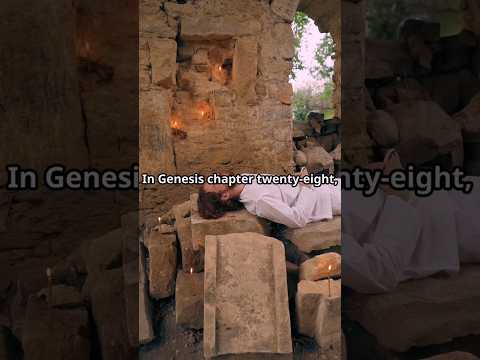
    The account in Genesis 28 is one of the most compelling and symbolic moments in the Old Testament. It takes place during a turning point in Jacob’s life, when he is leaving home under tense circumstances. Alone on the road, with nothing but a stone for a pillow, Jacob falls asleep and receives a vision that will forever shape his understanding of God. In his dream, he sees a ladder—or stairway—stretching from earth to heaven, with angels moving up and down. At the top of the ladder stands the Lord Himself, speaking words of promise and reassurance.

    This is more than just an ancient dream—it is a revelation about God’s nearness, His covenant, and the ongoing connection between the spiritual and earthly realms.

    The Setting of Genesis 28

    The background of Genesis 28 is filled with family conflict and uncertainty. Jacob has just received his father Isaac’s blessing, intended for the firstborn, and his brother Esau is furious. To avoid danger, Jacob travels toward Haran, the homeland of his mother’s family. On his journey, he stops for the night in an unfamiliar place, resting his head on a stone.

    It is here, in a moment of vulnerability, that God breaks through Jacob’s circumstances with a powerful vision. The ladder in Jacob’s dream represents a direct link between heaven and earth. The angels traveling upon it show that God’s work is constant, and His presence reaches into every part of creation.

    The Message of the Vision

    In Genesis 28, God speaks directly to Jacob, reaffirming the promises made to Abraham and Isaac: the gift of the land, countless descendants, and blessings that will extend to all nations through his lineage. More than that, God makes a personal promise: “I am with you and will watch over you wherever you go.”

    This moment is a reassurance not just for Jacob, but for all readers of Scripture. It tells us that God’s covenant is enduring and His presence is not confined to a single place. The ladder imagery reminds us that the spiritual realm is not distant—it is intertwined with our daily lives.

    Lessons for Modern Readers

    The vision in Genesis 28 speaks across time. Like Jacob, we may find ourselves in places of uncertainty, transition, or even fear. Yet the message is the same: God is present, His promises are trustworthy, and His purposes are unfolding even when we cannot see the full picture.

    Jacob’s awakening is particularly meaningful—he declares, “Surely the Lord is in this place, and I was not aware of it.” This is a reminder for us to remain attentive to God’s presence, even in ordinary or difficult moments.

    Practical Applications of Genesis 28

    To apply the truths of Genesis 28 in our daily lives, we can:

    • Pause to acknowledge God’s presence in the middle of routine tasks.
    • Trust in His promises when facing challenges or transitions.
    • Remember that He is at work behind the scenes, connecting heaven and earth.
    • Approach each day with the awareness that divine encounters can happen anywhere.

    These practices help us live with greater faith, attentiveness, and peace.

    Conclusion

    The vision of Jacob’s Ladder in Genesis 28 continues to inspire believers with its message of connection, covenant, and divine care. Just as God met Jacob in a lonely, uncertain place, He meets us in the midst of our journeys. His ladder is still in place, the angels still ascend and descend, and His presence still bridges the gap between heaven and earth.

    For those who seek Him, this story is a powerful reminder that God is closer than we think—and His promises stand firm through every season of life.

    Genesis 28 Explained: The Vision of Jacob’s Ladder.
    Genesis 28 Explained: The Vision of Jacob’s Ladder.

    P.S. If you enjoyed this reflection and want more Bible-based insights, subscribe to HolyThreadProject on YouTube so you never miss a new study or devotional.

    #Genesis28 #JacobsLadder #BibleStudy #BibleLesson #BiblicalInsights #ScriptureExplained #FaithLessons #OldTestament #ChristianFaith #GodsPromise #BibleExplained #BibleStory #SpiritualGrowth #BiblicalTeaching #FaithInspiration

  • The Stolen Blessing: Jacob and Esau’s Story in Genesis 27.

    The Stolen Blessing: Jacob and Esau’s Deception and Destiny in Genesis 27.
    The Stolen Blessing: Jacob and Esau’s Story in Genesis 27.

    The Stolen Blessing: Jacob and Esau’s Story in Genesis 27.

    The story of the stolen blessing in Genesis 27 is one of the most dramatic and revealing episodes in the Old Testament. It is a moment filled with family tension, deception, and the unshakable sovereignty of God. More than a tale of sibling rivalry, this account shows how human choices and divine purposes are woven together in ways we may not fully understand.

    The Context of Genesis 27

    Isaac, now old and nearly blind, calls for his firstborn son Esau. He intends to give Esau the blessing of the firstborn — a sacred act that passes on God’s covenant promises and leadership of the family. In biblical culture, such a blessing carried spiritual authority and prophetic weight. Once spoken, it could not be undone.

    Rebekah, Isaac’s wife, overhears the plan and acts quickly. She favors Jacob, the younger twin, and wants him to receive the blessing instead. This sets the stage for one of Scripture’s most famous acts of deception.

    The Deception and the Stolen Blessing

    Following Rebekah’s instructions, Jacob disguises himself in Esau’s clothing, covers his smooth skin with goat hair, and brings a meal to his father. Isaac, confused by the voice but convinced by the feel and smell, pronounces the blessing over Jacob.

    This stolen blessing was not just about material wealth or family leadership — it was the continuation of God’s covenant promise to Abraham. Though Jacob used deceit to obtain it, the blessing’s power came from God, not from human manipulation.

    The Aftermath and Esau’s Response

    When Esau returns and the truth is revealed, the consequences are immediate. Esau weeps bitterly, begging for a blessing of his own. Isaac, however, cannot take back the words he has spoken. This irrevocable nature of the blessing underlines the seriousness of promises made before God.

    Esau’s pain leads to anger, and he vows to kill Jacob. This forces Jacob to flee to his uncle Laban’s household, beginning a new chapter in his life that will eventually shape the nation of Israel.

    Spiritual Lessons from the Stolen Blessing

    The stolen blessing teaches several important spiritual truths:

    1. God’s Sovereignty Prevails – Even through human deception, God’s purposes are fulfilled. This does not excuse wrongdoing, but it does remind us that His plan is never thwarted.
    2. Family Favoritism Brings Division – Rebekah’s favoritism toward Jacob and Isaac’s toward Esau created deep rifts in their family. Scripture warns of the damage caused when love is not evenly shown.
    3. Integrity Matters – Jacob’s deception would bring him years of hardship. The way we pursue blessings matters as much as the blessings themselves.
    4. Blessings Carry Weight – In the biblical worldview, a blessing is not a casual wish but a prophetic declaration. Words spoken in faith have lasting impact.

    How This Story Points Forward

    The stolen blessing is part of a larger biblical thread that points toward God’s redemptive plan. Jacob’s descendants would become the twelve tribes of Israel, through whom the Messiah would eventually come. Even flawed actions became part of the tapestry leading to Christ.

    For readers today, this story is both a caution and a comfort—a caution against deceit and selfish ambition , and a comfort in knowing God can redeem even our failures for His glory.

    Conclusion

    Genesis 27 is more than an ancient tale of a stolen blessing; it is a reminder that God’s plans are bigger than our mistakes. While Jacob’s actions were wrong, the blessing he received shaped the history of God’s people and advanced His covenant promises.

    As we reflect on this story, we are called to seek God’s favor with honesty, to trust His timing, and to rest in the truth that His purposes will stand—even when human hands try to control the outcome.

    The Stolen Blessing: Jacob and Esau’s Story in Genesis 27.
    The Stolen Blessing: Jacob and Esau’s Story in Genesis 27.

    P.S. If this look into Genesis 27 encouraged you or gave you fresh insight, subscribe to HolyThreadProject on YouTube for more Bible stories, Old Testament lessons, and faith-building wisdom each week. Your journey through Scripture is just beginning. ✨

    #Genesis27 #JacobAndEsau #BibleStory #OldTestament #FaithLessons #BiblicalHistory #ScriptureStudy #GodsPlan #BibleWisdom #HolyThreadProject

  • Genesis 26—Isaac’s Wells and the Roots of Conflict.

    Genesis 26 — Isaac’s Wells, Faith Under Pressure, and the Roots of Conflict.
    Genesis 26—Isaac’s Wells and the Roots of Conflict.

    Genesis 26—Isaac’s Wells and the Roots of Conflict.

    The story of Isaac’s wells in Genesis 26 is more than an account of ancient water rights. It’s a timeless lesson about humility, trust in God, and choosing peace over conflict. In the dry lands of the ancient Near East, a well was life itself—a source of survival, prosperity, and blessing. Yet this passage shows us that even something essential can become the center of strife.


    Wells as a Symbol of God’s Provision

    In biblical times, digging a well was an act of faith and labor. A well meant a future for your family, your herds, and your community. When Isaac reopened the wells his father Abraham had dug, he was reclaiming not only a physical resource but also a spiritual inheritance. Wells symbolized God’s ongoing provision and the continuation of His promises.


    The Conflict Over the Wells

    Genesis 26 tells us that after Isaac restored these wells, the Philistines contested them, claiming ownership. The disputes reveal a universal truth: conflict often arises when resources, recognition, or rights are at stake. In this case, the roots of conflict lay in envy and territorial pride. For the Philistines, these wells represented control and influence—not just water.


    Isaac’s Response: Choosing Peace Over Pride

    Rather than fight for what was rightfully his, Isaac chose to move on and dig new wells. This is remarkable because his decision was not weakness; it was strength rooted in trust. Isaac understood that God’s blessings were not tied to one location or one resource. By stepping away from conflict, he demonstrated humility, patience, and faith.


    Lessons from the Roots of Conflict

    Isaac’s example speaks to the heart of many modern struggles. We often hold tightly to our “wells” — our possessions, our positions, our pride—fearing that letting go means losing everything. Yet the lesson here is that yielding can be the doorway to greater blessing. Conflict rarely ends through force; more often, it ends when one side chooses peace.


    Trusting God’s Provision in Uncertain Times

    Isaac’s willingness to walk away points us toward a deeper spiritual truth: God’s provision is not limited by human disputes. The same God who provided water in a dry land can provide opportunities, resources, and blessings in ways we cannot foresee. Letting go of one well may lead us to another, even greater one.


    Applying the Story Today

    In our daily lives, we face situations where standing our ground feels justified—in relationships, workplaces, or communities. But the story of Isaac’s wells challenges us to ask, is this conflict worth the cost? Choosing peace does not mean we stop caring about justice; it means we trust God to work justice in His way and timing.

    This approach can transform not only our personal relationships but also our communities. When one person decides peace over pride, it often diffuses tension and opens space for reconciliation.


    Conclusion

    The account of Isaac’s wells in Genesis 26 invites us to examine our roots of conflict. What are we clinging to that keeps us in strife? Are we willing to trust God enough to let go?

    Isaac’s story reminds us that walking away from a fight can sometimes be the most courageous act of faith. When we release our grip on the things we think we must defend, we make room for God’s provision to flow freely into our lives.

    True strength lies not in winning every battle but in knowing which battles to leave in God’s hands.

    Genesis 26—Isaac’s Wells and the Roots of Conflict.
    Genesis 26—Isaac’s Wells and the Roots of Conflict.

    PS: If the story of Genesis 26 has inspired you, subscribe to the HolyThreadProject on YouTube for more biblical insights, faith lessons, and timeless wisdom from Scripture. Let’s walk this journey of understanding God’s Word together. 🙏

    #Genesis26 #BibleStudy #IsaacsWells #FaithLessons #BiblicalWisdom #ScriptureTeaching #ChristianFaith #PeaceOverConflict #OldTestament #HolyThreadProject