Category: HolyThreadProject

Exploring the Bible verse by verse. HolyThreadProject shares timeless scripture reflections, spiritual insights, and faith-based inspiration.

  • Exodus 3: Moses Flees to Midian – A Journey of Faith.

    Exodus 3: Moses Flees to Midian – A Journey of Faith and Divine Calling.
    Exodus 3: Moses Flees to Midian – A Journey of Faith.

    Exodus 3: Moses Flees to Midian – A Journey of Faith.

    The story of Moses fleeing to Midian is one of the most transformative moments in the Old Testament. Found in Exodus 3, this passage describes not only the escape of Moses from Egypt but also the beginning of a profound spiritual journey. While the world saw exile, God saw preparation.

    The Context of Moses’ Flight

    Before arriving in Midian, Moses lived in Pharaoh’s palace, raised as royalty though born a Hebrew. After witnessing the suffering of his people, Moses acted in anger, killing an Egyptian taskmaster. When this act became known, Pharaoh sought to kill him. Fleeing for his life, Moses abandoned the wealth and privilege of Egypt, entering the wilderness where a new chapter of faith would begin.

    This decision marked a dramatic turning point. Moses had to leave behind everything he once knew, trading power for obscurity. Yet, the Bible consistently shows that God often works through weakness rather than worldly strength. In this way, Moses’ exile laid the groundwork for a transformation that would later enable him to lead Israel out of slavery.

    Life in Midian

    In Midian, Moses found refuge, family, and humility. He married Zipporah, the daughter of Jethro, and began working as a shepherd. This change from prince to shepherd seems like a fall from power, yet it was here that his true preparation for leadership began. Shepherding required patience, vigilance, and care for the vulnerable—qualities Moses would need when guiding the people of Israel.

    Exodus 3 teaches us that the wilderness often serves as God’s training ground. What looks like loss may actually be a season of growth. The silence of Midian became the space where Moses could learn humility and dependence on God. Instead of leading armies, he led flocks; instead of living in palaces, he lived in tents. But in this seeming reduction, God was shaping his heart.

    Spiritual Lessons from the Wilderness

    The wilderness is a recurring theme in Scripture. For Moses, it was a place of humility and reshaping. For Israel, it would later be a place of testing and trust. For Jesus, the wilderness was a place of preparation before His ministry began. Believers today can see in these stories a consistent truth: sometimes God removes us from comfort to prepare us for calling.

    When life feels barren or directionless, it is tempting to see only loss. Yet Exodus 3 reminds us that God’s plan often begins where our plans end. The wilderness strips away distractions and illusions of self-sufficiency, creating space for divine guidance.

    God’s Presence in the Journey

    What makes Exodus 3 remarkable is that it doesn’t leave Moses in exile—it moves toward revelation. It is in Midian, while tending sheep, that Moses encounters the burning bush. God calls him to return to Egypt, not as a fugitive, but as a deliverer. The wilderness, once a place of hiding, becomes the place of divine commissioning.

    This moment reveals a profound truth: God often meets us in unexpected places. While Moses may have believed his future ended in Midian, God had far greater plans. The same can be true for us—our seasons of obscurity may be the very spaces where God speaks most clearly.

    Relevance for Today

    The journey of Moses in Exodus 3 speaks powerfully to modern life. Many of us face seasons of wilderness—times when we feel lost, sidelined, or uncertain of our path. Yet, like Moses, we can discover that these seasons are not wasted. They are shaping us for greater purpose.

    Compassion, patience, and resilience are forged in difficulty, not ease. Just as Moses learned leadership while caring for sheep, we too develop character in small, hidden tasks. The transition from Egypt to Midian mirrors the transitions we face: leaving behind comfort, facing failure, and embracing growth through faith.

    Conclusion

    The account of Moses fleeing to Midian in Exodus 3 is more than history—it is a timeless lesson in trust, humility, and preparation. What looked like an ending was actually the foundation for one of the greatest callings in Scripture. For anyone walking through uncertainty, this passage offers hope: God uses the wilderness to shape us for His purpose.

    The journey of Moses shows that exile can become the path to destiny, and faith can turn fear into transformation. Each wilderness season has the potential to become the birthplace of calling, if we allow God to guide us through it.

    Exodus 3: Moses Flees to Midian – A Journey of Faith.
    Exodus 3: Moses Flees to Midian – A Journey of Faith.

    P.S. If the story of Exodus 3 spoke to your heart, don’t forget to subscribe to YourWisdomVault on YouTube for more Bible stories and timeless lessons of faith.

    #Exodus3 #MosesFleesToMidian #BibleStories #OldTestament #JourneyOfFaith #MosesStory #BiblicalLessons #HolyThreadProject
  • Exodus 2: Birth & Early Life of Moses | Bible Story.

    Exodus 2: The Birth and Early Life of Moses | Bible Story Explained Fully.
    Exodus 2: Birth & Early Life of Moses | Bible Story Explained.

    Exodus 2: Birth & Early Life of Moses | Bible Story Explained.

    The story of Exodus 2 is one of the most dramatic and meaningful narratives in the Old Testament. It introduces the birth and early life of Moses, a child destined to become one of the greatest leaders in history. At the time, the Hebrew people lived under harsh oppression in Egypt, and Pharaoh had ordered that every newborn Hebrew boy be cast into the Nile. Against this backdrop of fear and suffering, God’s providence shines through the preservation of Moses.

    Historical Setting

    When Exodus 2 begins, the Israelites had been living in Egypt for generations. Their growing numbers worried Pharaoh, who enslaved them and issued cruel decrees meant to control their population. Yet even in this environment of hardship, a child was born who would change the course of Israel’s destiny. This context is important because it shows that God’s plans unfold even during the darkest times.

    The Birth of Moses

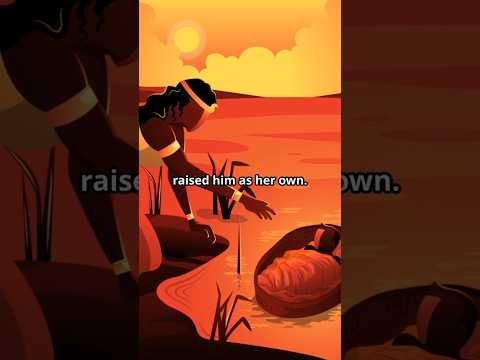
    Moses was born to Hebrew parents from the tribe of Levi. His mother recognized that he was a special child and hid him for three months, risking her life to protect him from Pharaoh’s decree. When she could no longer conceal him, she placed him in a carefully prepared basket coated with tar and pitch, then set it gently among the reeds of the Nile River. His sister Miriam watched from a distance, keeping a careful eye on what would happen.

    Pharaoh’s Daughter Finds Moses

    The turning point in Exodus 2 occurs when Pharaoh’s daughter discovers the baby in the basket. Moved with compassion, she recognized him as a Hebrew child yet chose to raise him as her own. With Miriam’s quick thinking, Moses’ own mother was called to nurse him, ensuring that he grew up with knowledge of his heritage before entering the royal household. This moment highlights God’s providence—using even Pharaoh’s family to preserve the future leader of Israel.

    Lessons from the Story

    The early life of Moses teaches several timeless lessons:

    • Courage in adversity: His parents displayed great faith by defying Pharaoh’s command.
    • Providence in action: Even when the situation looked hopeless, God provided a way.
    • Leadership beginnings: The future deliverer of Israel was preserved through unlikely circumstances.
    • Compassion matters: Pharaoh’s daughter decided mercy over obedience to her father’s decree.

    These themes remind us that God often works through ordinary people and unexpected events to bring about extraordinary outcomes.

    Modern Relevance

    Though told thousands of years ago, the message of Exodus 2 still resonates today. It encourages us to trust in divine guidance when facing overwhelming challenges. Parents may identify with the fear and bravery of Moses’ family, while leaders may see the importance of protecting and guiding those entrusted to them. The story also reassures believers that God’s plans are not thwarted by human opposition, no matter how powerful.

    Conclusion

    The account in Exodus 2 is more than an ancient story—it is a testimony to courage, providence, and hope. The survival of Moses set the stage for the liberation of Israel and the giving of the Law at Sinai. From a tiny baby hidden in a basket to the leader who would confront Pharaoh, this chapter reminds us that God’s purposes are greater than any earthly obstacle. By reflecting on these truths, readers today can find encouragement to persevere, trust in divine timing, and believe that small beginnings can lead to great destinies.

    Exodus 2: Birth & Early Life of Moses | Bible Story Explained.
    Exodus 2: Birth & Early Life of Moses | Bible Story Explained.

    P.S. If you enjoyed this Bible story and want more scripture explained in simple, inspiring ways, be sure to subscribe to HolyThreadProject on YouTube so you never miss the next lesson. 🙏✨

    #BibleStories #MosesStory #FaithLessons #ScriptureExplained #OldTestament

  • Exodus 1 | Israelites Oppressed in Egypt | Bible Explained.

    Exodus 1 Explained: Israelites Oppressed in Egypt | Bible Story Insight.
    Exodus 1 | Israelites Oppressed in Egypt | Bible Explained.

    Exodus 1 | Israelites Oppressed in Egypt | Bible Explained.

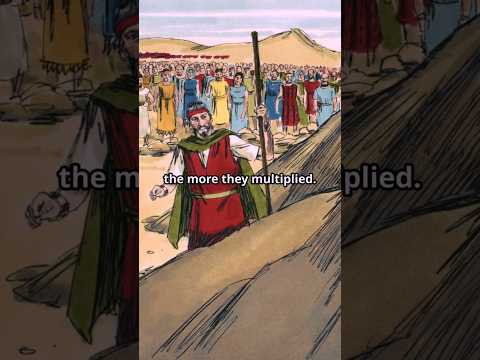
    The Book of Exodus begins with a dramatic shift in the story of God’s people. After the death of Joseph, who once saved Egypt from famine, a new pharaoh rose to power. This ruler did not remember Joseph’s wisdom or his contribution to the nation. Instead, he feared the growing strength of the Israelites. Exodus 1 opens not with peace but with oppression, setting the stage for one of the greatest stories of deliverance in Scripture.

    The Israelites Multiply in Egypt

    Exodus 1 describes how the Israelites, once welcomed, became viewed as a threat. The text explains that the people were fruitful and multiplied greatly, filling the land. Their numbers grew so large that Pharaoh worried they might join Egypt’s enemies in case of war. Fear took root in the king’s heart, and he decided to enslave them.

    This chapter shows a timeless truth: when fear rules, injustice often follows. Pharaoh’s insecurity turned into harsh labor and bitter bondage for the Israelites. Yet the more they were oppressed, the more they increased. Human cruelty could not stop God’s blessing.

    Oppression as a Tool of Control

    The strategy of Pharaoh in Exodus 1 was clear—use oppression to control. He set taskmasters over the Israelites, forcing them into hard labor, building cities, and carrying heavy burdens. His goal was to break their spirit and slow their growth. But the opposite happened. The people remained strong, their numbers continued to rise, and the Egyptians grew more alarmed.

    This passage highlights how oppression rarely achieves the outcome rulers desire. Instead of crushing a people, it typically strengthens their resolve and identity.

    God’s Promise Remains Unbroken

    One of the most powerful lessons of Exodus 1 is that no human plan can undo God’s promise. Long before Egypt enslaved the Israelites, God had told Abraham that his descendants would be as numerous as the stars. Pharaoh’s attempt to erase that promise failed. In fact, his cruelty only pushed the story of deliverance forward, preparing the way for Moses and the great journey out of Egypt.

    This truth speaks to us today: even in seasons of hardship, God’s purposes remain steady.

    Lessons for Today

    The message of Exodus 1 still resonates in modern life. We may not face the slavery of ancient Egypt, but fear, injustice, and oppression still exist in many forms. This passage reminds us that:

    • Fear can distort judgment and lead to harm.
    • Oppression cannot silence truth or hope.
    • Faith keeps people alive even in dark seasons.
    • God’s promises endure beyond human schemes.

    When we read this chapter, we are invited to reflect on how we respond to fear. Do we let it turn into cruelty, or do we seek wisdom and faith?

    Conclusion

    Exodus 1 is more than a historical account; it is a mirror showing how fear shapes actions and how God’s plan outlasts human power. The Israelites suffered under Pharaoh’s harsh rule, yet their story did not end there. Instead, their struggle became the foundation for one of the most powerful narratives in the Bible—their deliverance from Egypt.

    This opening chapter sets the tone for the entire book of Exodus. It reminds us that oppression may rise, but God’s promise remains firm. Even in suffering, hope is alive, and faith points the way to freedom.

    Exodus 1 | Israelites Oppressed in Egypt | Bible Explained.
    Exodus 1 | Israelites Oppressed in Egypt | Bible Explained.

    P.S. If you found insight in this story, don’t miss the rest of our journey through Exodus. Be sure to subscribe to HolyThreadProject on YouTube for more Bible explained content and timeless lessons of faith. 🙏

    #Exodus1 #Exodus #BibleExplained #BibleStories #Faith #LifeLessons #Scripture #Wisdom #SpiritualGrowth #Shorts

  • Genesis 50: Joseph Dies | Bible Story of Faith & Legacy.

    Genesis 50 Explained: Joseph’s Death, Faith, and Legacy in the Bible Story.
    Genesis 50: Joseph Dies | Bible Story of Faith & Legacy.

    Genesis 50: Joseph Dies | Bible Story of Faith & Legacy.

    The closing chapter of Genesis brings us to one of the most moving moments in Scripture: the end of Joseph’s extraordinary life. The story in Genesis 50 does not just record a death; it speaks of forgiveness, legacy, and unshakable faith in God’s promises. This passage reminds us that even at life’s end, trust in God is what gives true meaning and lasting hope.

    A Quick Recap of Joseph’s Journey

    Joseph’s life was anything but simple. Betrayed by his brothers, sold into slavery, wrongfully imprisoned, and finally elevated to power in Egypt, his story is one of resilience and divine providence. By the time we arrive at Genesis 50, Joseph has saved countless lives during famine and has reconciled with his family. Instead of holding on to bitterness, he embraces forgiveness and reminds his brothers that what they meant for evil, God used for good.

    Joseph’s Compassionate Heart

    Joseph’s story is remarkable not only because of his success in Egypt, but because of his ability to forgive. Most people, when given power, might seek revenge on those who harmed them. Joseph chose a different path. His actions show us that genuine faith produces mercy, and that forgiveness can heal wounds that span years of division. This lesson is particularly meaningful in our modern world, where grudges and conflicts often tear families apart.

    The Final Words of Joseph

    Before his death, Joseph offers reassurance to his family. He acknowledges that God’s hand was always guiding the events of his life, even the painful ones. In Genesis 50, he asks that his bones be carried back to the Promised Land. This request reveals Joseph’s unwavering trust in God’s covenant with Abraham, Isaac, and Jacob. His final words echo faith in promises yet to be fulfilled. By asking to rest in the land of God’s promise, Joseph testifies that his true home was never Egypt, but the place God had set apart for His people.

    Lessons from Genesis 50

    The story of Joseph’s passing leaves us with powerful spiritual lessons:

    • Forgiveness heals wounds: Joseph’s mercy toward his brothers shows us how forgiveness restores families and reflects God’s love.
    • Faith outlasts life: His insistence on being buried in the Promised Land is a declaration of trust in God’s word.
    • God’s plan is greater than human schemes: Joseph reframes betrayal as part of a divine design that saved many lives.
    • Legacy matters: Wealth, power, and fame fade away, but faith leaves a lasting inheritance for generations to come.

    Why This Story Still Matters

    Even today, the message of Genesis 50 resonates. We often face struggles, betrayals, or setbacks that seem senseless. Yet this chapter teaches us to trust that God’s plan can turn pain into purpose. It reminds believers that faith is not just for good times—it is an anchor in moments of loss, uncertainty, and transition. In a culture obsessed with success, Joseph reminds us that our greatest achievement is to remain faithful to God until the very end.

    Applying the Message in Daily Life

    How can we live out the lessons of Joseph’s story? By practicing forgiveness even when it is difficult, by clinging to God’s promises during trials, and by remembering that our true legacy is faith, not possessions. Like Joseph, we can choose to let go of bitterness and instead trust in God’s greater plan for our lives. We can also honor the generations before us, just as Joseph honored God’s covenant by looking forward to the Promised Land. Every act of compassion, every word of forgiveness, and every step of faith becomes part of the spiritual heritage we leave behind.

    Conclusion

    The final chapter of Genesis closes with the death of a great leader, but more importantly, it closes with a testimony of faith. The story in Genesis 50 assures us that regardless of what trials we face, God’s promises remain unbroken. Joseph’s legacy calls us to live with forgiveness, hope, and an eternal perspective. His story is not just history—it is a living reminder that faith outlasts death and that God’s plan always prevails.

    Genesis 50: Joseph Dies | Bible Story of Faith & Legacy.
    Genesis 50: Joseph Dies | Bible Story of Faith & Legacy.

    P.S. If this reflection on Genesis 50 encouraged your faith, subscribe to HolyThreadProject on YouTube for more Bible stories and timeless wisdom from Scripture. ✨

    #Genesis50 #BibleStories #HolyThreadProject #Faith #ChristianShorts

  • Genesis 49—Jacob’s Last Words and Prophetic Blessings.

    Genesis 49 Bible Study: Jacob’s Last Words, Prophecies, and Final Blessings.
    Genesis 49—Jacob’s Last Words and Prophetic Blessings.

    Genesis 49—Jacob’s Last Words and Prophetic Blessings.

    The chapter of Genesis 49 holds one of the most remarkable scenes in the Old Testament. Jacob, nearing the end of his life, gathers his twelve sons to speak words that are more than farewells. They are prophetic blessings and warnings that shape the destiny of the tribes of Israel. This passage is both historical and spiritual, offering insight into how legacies are formed through speech and how faith can echo across generations.

    The Gathering of the Sons

    As Jacob calls his sons together, the atmosphere is charged with significance. Each son knows that what their father says will carry weight for the future. Unlike casual goodbyes, these words have a prophetic tone. In Genesis 49, Jacob’s blessings are connected to the character and choices of each son. Some receive encouragement and promises of greatness, while others hear words of warning that reflect past actions.

    Judah and the Promise of Leadership

    Perhaps the most famous blessing is spoken over Judah. Jacob declares that the scepter will not depart from him, pointing to leadership and kingship. This prophecy has been understood by many to foreshadow the rise of David and ultimately the lineage leading to Christ. In this way, Genesis 49 becomes not just a family moment but a cornerstone of biblical prophecy.

    Joseph and the Blessing of Fruitfulness

    Joseph, who endured hardship and rose to power in Egypt, receives one of the richest blessings. Jacob speaks of fruitfulness, resilience, and divine favor. The words affirm Joseph’s character as someone who remained faithful despite trials. The blessing also extends to his descendants, showing how the legacy of integrity can bear fruit for generations.

    Other Sons and Honest Words

    Jacob does not shy away from honesty. To some sons, he recalls flaws and actions that bring limits to their future. Reuben, for example, is remembered for instability, and Simeon and Levi for violence. These sobering words remind us that choices have consequences. Yet even here, the underlying theme of Genesis 49 is that truth spoken in love can guide descendants toward reflection and growth.

    Lessons for Today

    The blessings in Genesis 49 are not only ancient history. They still speak to modern readers about the power of words and the importance of legacy. Just as Jacob’s words shaped tribes, our words can shape families, communities, and futures. The chapter also challenges us to consider what kind of blessing or warning our actions would inspire if we stood before a wise elder today.

    Prophecy and Fulfillment

    Looking back across the Bible, the words of Jacob in Genesis 49 find fulfillment in remarkable ways. The tribe of Judah indeed produced kings, Joseph’s descendants thrived, and the histories of the other tribes followed paths similar to the blessings or warnings given. This continuity reminds us that scripture is not random but interconnected, weaving together themes of faith, responsibility, and divine guidance.

    Conclusion

    Genesis 49 is more than a farewell scene; it is a prophetic moment that still inspires reflection. Jacob’s final words show the importance of speaking truth, offering blessings, and leaving a legacy rooted in faith. For modern readers, the passage invites us to reflect on how our words and actions will echo into the future. Just as Jacob’s blessings shaped the tribes of Israel, our choices can shape the lives of those who come after us.

    Genesis 49—Jacob's Last Words and Prophetic Blessings.
    Genesis 49—Jacob’s Last Words and Prophetic Blessings.

    PS: If you found inspiration in Jacob’s final words, consider subscribing to HolyThreadProject on YouTube for more scripture insights, Bible stories, and timeless wisdom. 🕊️

    #Genesis49 #PropheticBlessings #HolyThreadProject #BibleStories #ScriptureWisdom