Category: HolyThreadProject

Exploring the Bible verse by verse. HolyThreadProject shares timeless scripture reflections, spiritual insights, and faith-based inspiration.

  • The Fall of Noah: A Warning from Genesis 9:18–29.

    The Fall of Noah: A Warning from Genesis 9:18–29 | When Righteousness Falters.
    The Fall of Noah: A Warning from Genesis 9:18–29.

    The Fall of Noah: A Warning from Genesis 9:18–29.

    In the book of Genesis, we often focus on Noah as a righteous man—the one chosen by God to survive the flood, to build the ark, and to carry life forward into a new world. But what comes after the flood is just as important, and in many ways, more human.
    Genesis 9:18–29 reveals a lesser-known moment in Noah’s life—a personal failure, a moral fall. And with it, a powerful warning.

    Noah’s Vineyard and His Vulnerability

    After the waters recede and the covenant is made, Noah begins a new chapter. He becomes a man of the soil and plants a vineyard. But from this vineyard comes wine, and from the wine—Noah becomes drunk. He lies uncovered in his tent, exposed in both body and dignity.

    It’s a moment of weakness. A deeply human moment.

    Noah, the man who obeyed God in the face of a mocking world, now lies in shame, alone and vulnerable. This scene might seem shocking at first, but it’s a reminder:
    even the righteous can fall.
    Even those chosen and favored by God are not immune to sin, error, or misjudgment.

    The Sons’ Reactions: A Mirror for Us

    The text highlights the response of Noah’s three sons: Ham, Shem, and Japheth.

    Ham sees his father’s nakedness and mocks it—he goes and tells his brothers. It’s a response of disrespect, perhaps even pride. Rather than covering his father, he exposes him further.

    Shem and Japheth, on the other hand, walk into the tent backward. They cover their father without even looking. Their actions are full of honor, humility, and grace.

    And this is the heart of the story:
    Noah’s fall is not the only test—the true test lies in how others respond to his failure.

    A Warning and a Wisdom Thread

    This passage is not merely about drunkenness or shame. It’s a spiritual parable—a mirror for how we deal with the failures of others. When someone in our life falls short, do we expose them, talk about them, or mock them? Or do we cover them, protect their dignity, and extend grace?

    Genesis 9:18–29 reminds us that failure doesn’t define a person, but our reaction to failure reveals our heart. Whether in family, church, community, or friendships, we are constantly given the choice to curse or cover, to gossip or to guard.

    The curse that follows Ham’s action and the blessing that follows Shem and Japheth’s speaks to a broader biblical theme:
    God honors those who honor others, even in their brokenness.

    Why This Story Still Matters

    In today’s world, where people are quick to judge, cancel, or shame, Noah’s story is more relevant than ever. Social media thrives on exposure—on magnifying mistakes. But the kingdom of God operates differently. It seeks restoration, not ridicule. Redemption, not spectacle.

    Whether you’re the one who has fallen or the one watching someone else stumble, Genesis offers this warning and encouragement:
    Handle failure with humility. Offer grace freely. Protect what’s sacred in others.

    Final Thoughts: The Threads of Grace

    At HolyThreadProject, we believe these ancient stories are more than history. They’re threads of divine truth meant to be woven into our daily lives.

    The fall of Noah is not the end of his story—and neither is yours.
    Let it remind you to walk in grace, speak with mercy, and respond to failure with the same love God extends to you.


    May we learn not only to stand in righteousness, but also to kneel in compassion. 🙏
    The Fall of Noah: A Warning from Genesis 9:18–29.
    The Fall of Noah: A Warning from Genesis 9:18–29.

    P.S. If this reflection stirred something in you, consider subscribing to HolyThreadProject on YouTube for more quiet truths, scripture threads, and soul-centered wisdom each week. 🙏

    #HolyThreadProject #Genesis9 #FallOfNoah #BibleWisdom #FaithReflection #SpiritualGrowth #ScriptureMeditation #GraceAndTruth #RighteousFall #CoverNotCurse #BiblicalLessons #DailyFaith #CompassionInFailure #NoahStory #FaithJourney
  • The Rainbow Covenant: God’s Promise in Genesis 9:8–17.

    The Rainbow Covenant: God’s Promise in Genesis 9:8–17 | A Sign of Eternal Grace.
    The Rainbow Covenant: God’s Promise in Genesis 9:8–17.

    The Rainbow Covenant: God’s Promise in Genesis 9:8–17.

    After the great flood, as the waters receded and the earth was renewed, God made a promise—not just to Noah, but to all of creation. This promise, known as the Rainbow Covenant, is one of the most beautiful and enduring symbols in all of Scripture. Found in Genesis 9:8–17, this passage marks a defining moment in biblical history: the first formal covenant between God and humanity.

    But what does this covenant mean today? And why did God choose a rainbow to represent it?


    God’s Covenant with Noah

    Genesis 9:8–17 recounts God’s words to Noah and his sons after they left the ark. God declares:

    “I now establish my covenant with you and with your descendants after you and with every living creature… Never again will there be a flood to destroy the earth.”
    (Genesis 9:9–11)

    This covenant—often called the Noahic Covenant—is unconditional. God is not asking for anything in return. He is simply making a promise, grounded in mercy, that He will never again wipe out life on earth by flood.


    The Rainbow as a Sign

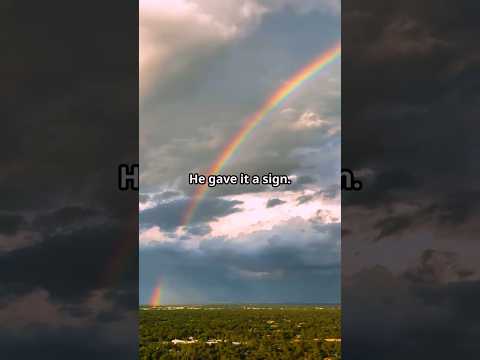
    In this same passage, God introduces a powerful visual symbol to seal His covenant: the rainbow.

    “I have set my bow in the clouds, and it shall be a sign of the covenant between me and the earth.”
    (Genesis 9:13)

    The Hebrew word for “bow” (קֶשֶׁת qeshet) usually refers to a warrior’s bow. But here, it’s no longer an instrument of war—it’s suspended in the sky, pointing away from the earth, transformed into a symbol of peace and divine restraint. The rainbow is God’s reminder—to Himself and to us—that mercy now governs where judgment once ruled.


    Why This Covenant Still Matters

    The Rainbow Covenant isn’t just an ancient promise buried in the pages of Genesis. It’s a living reminder of God’s faithfulness, mercy, and love for all creation.

    In a world marked by chaos, violence, and spiritual confusion, the rainbow offers hope. It reminds us that even after seasons of judgment, restoration is possible. God is not distant. He remembers, He redeems, and He keeps His promises.

    For believers today, this covenant also points forward—to even greater covenants in Scripture. The Mosaic Covenant would follow, then the New Covenant through Christ. But it all begins here: with a rainbow stretched across the sky.


    A Symbol for Every Generation

    God says this covenant is for “every living creature” and “for all generations to come.” That means it’s not just a promise to Noah, but to you and me.

    We may not face global floods, but we all weather personal storms. The Rainbow Covenant tells us those storms are not the end of the story. The same God who judged the earth also promised never to destroy it in that way again—and set a rainbow in the sky to prove it.

    It’s a divine thread woven through time: from creation, through covenant, into redemption.


    Final Reflection

    The Rainbow Covenant in Genesis 9:8–17 is more than a symbol—it’s a signature. A divine seal on a sacred promise. It reveals God’s heart: patient, merciful, and committed to preserving life.

    So the next time you see a rainbow, don’t just admire its beauty. Remember what it means—that God keeps His word, that judgment has limits, and that mercy triumphs.

    The Rainbow Covenant: God’s Promise in Genesis 9:8–17.
    The Rainbow Covenant: God’s Promise in Genesis 9:8–17.

    P.S.

    If this reflection on the Rainbow Covenant inspired you, consider subscribing to HolyThreadProject on YouTube for more Scripture-based insights, spiritual symbolism, and short-form Bible teachings woven with timeless truth.

    #RainbowCovenant #GodsPromise #Genesis9 #NoahicCovenant #BibleStudy #BiblicalSymbolism #FaithReflection #ScriptureWisdom #HolyThreadProject #CovenantOfGod

  • God’s Covenant with Mankind Begins—Genesis 9:1-7.

    God’s Covenant with Mankind Begins—Genesis 9:1-7 | A Fresh Start for Humanity.
    God’s Covenant with Mankind Begins—Genesis 9:1-7.

    God’s Covenant with Mankind Begins—Genesis 9:1-7.

    Hope, Purpose, and a New Beginning After the Flood

    In Genesis 9:1-7, we encounter a powerful moment in biblical history—God’s covenant with Noah after the great flood. The waters have receded. The ark has come to rest. The earth is quiet. It’s in this sacred silence that God speaks new life into the world.

    This passage marks not only a new beginning for Noah and his family but also a renewed relationship between God and mankind. It is here that God gives both a blessing and a responsibility—words that still resonate with us today.


    A Divine Blessing of Purpose

    God opens with a familiar yet profound command:
    “Be fruitful and multiply, and fill the earth.”

    This echoes the original command given to Adam and Eve in Genesis 1. But now, spoken to Noah after the judgment of the flood, these words carry a deeper weight. God is entrusting humanity once again with the stewardship of creation, a sacred task rooted in grace, not perfection.

    It’s a reminder that even after destruction, God’s heart is for renewal and relationship. This is not just a fresh start; it is a recommissioning of humanity.


    The Sanctity of Life

    God continues by establishing the value of life. In verse 6, He says:
    “Whoever sheds human blood, by humans shall their blood be shed; for in the image of God has God made mankind.”

    This may sound stern at first, but its core message is deeply protective. God is setting the foundation for human dignity and justice. He affirms that life is sacred because it bears His image. This part of the covenant reflects God’s heart for justice, accountability, and the sanctity of every soul.

    In a world increasingly numbed to violence and dehumanization, this passage calls us to remember that every human being is created in God’s image—and should be treated as such.


    Covenant, Not Contract

    What we see in Genesis 9 is not a cold contract between Creator and creature—it’s a covenant, a relational promise. God isn’t just resetting the world; He’s restating His intention to walk with us, to bless us, and to call us into meaningful participation in His purposes.

    The word “covenant” in Scripture implies deep commitment. It’s not a deal based on performance, but a divine promise anchored in God’s mercy, love, and sovereign grace.

    This covenant forms a foundation for understanding God’s character throughout the rest of Scripture—He is just, He is holy, but He is also deeply relational and full of compassion.


    Why Genesis 9:1-7 Still Matters

    In a time when the world can feel uncertain, chaotic, or even judged, Genesis 9:1-7 reminds us that God is still a God of new beginnings. No matter what has been lost or broken, God’s desire is always to bring life, order, and purpose out of the aftermath.

    He doesn’t just save Noah—He speaks to him. He commissions him. He trusts him.

    And He does the same for us today.


    Living the Covenant Life

    So how do we respond to a covenant like this?

    We begin by recognizing that every day is a gift—a new beginning given by grace. We honor life, protect what is sacred, and live with the awareness that we are stewards of something far bigger than ourselves.

    Just like Noah, we’re not called to be perfect. We’re called to be faithful—to listen, to trust, and to walk with God as He writes new chapters through us.

    God’s Covenant with Mankind Begins—Genesis 9:1-7.
    God’s Covenant with Mankind Begins—Genesis 9:1-7.

    P.S. Every thread of scripture leads us closer to His heart.
    Subscribe to HolyThreadProject on YouTube and keep walking the Word with us.

    #GodsCovenant #Genesis9 #NewBeginning #BibleStudy #HolyThreadProject #FaithJourney #BiblicalWisdom #ScriptureReflections #ChristianLiving #CovenantLife

  • The Altar and the Promise—Lessons from Genesis 8:13–22.

    The Altar and the Promise—Lessons from Genesis 8:13–22 | A New Covenant of Hope.
    The Altar and the Promise—Lessons from Genesis 8:13–22.

    The Altar and the Promise—Lessons from Genesis 8:13–22.

    After over a year on the ark, Noah finally stepped onto dry ground. The flood was over, judgment had passed, and the earth was quiet once again. But what Noah did next in Genesis 8:13–22 is more than just historical detail—it’s a spiritual pattern, one that still speaks today.

    The First Act: Noah Built an Altar

    Noah didn’t first look for food, build shelter, or gather supplies. His first recorded act was to build an altar to the Lord. It was an instinct not of survival, but of worship.

    The altar was Noah’s way of saying, “Before anything else, I honor the One who brought me through.” In a world wiped clean, his first action was to give thanks, not to rebuild. This simple act sets a powerful example: gratitude must come before comfort, and worship comes before work.

    The Power of the Altar

    In biblical times, an altar represented more than just a place of sacrifice. It was where heaven met earth. It symbolized surrender, gratitude, obedience, and trust. By offering clean animals as a burnt offering, Noah wasn’t just following a ritual—he was offering his heart.

    This action moves God. Genesis tells us that the Lord smelled the pleasing aroma and made a covenant with humanity:
    “Never again will I curse the ground because of man…”

    That promise—the first covenant after the flood—was born at the altar. It was in response to Noah’s worship that God declared stability: seedtime and harvest, day and night, would never cease.

    Lessons in Worship and Timing

    Too often, we wait until we’ve “arrived” to give thanks. We thank God when the job comes, the breakthrough happens, or the healing arrives. But Noah worshipped before the harvest. He didn’t wait for a home, or a sign—he gave thanks on the bare earth, with nothing but faith.

    This challenges us to worship in the waiting. To build altars in the quiet, uncertain spaces. To honor God not just for what He’s done, but for who He is, even when we don’t see the full picture.

    The Promise After the Storm

    God’s covenant after Noah’s offering reveals His nature: He is moved by authentic worship. The promise that followed wasn’t conditional. It was a declaration of mercy and order, and it still holds today.

    This passage reminds us that storms end—but what we do after the storm matters just as much as how we survive it. Do we run toward comfort? Or do we stop, reflect, and build an altar with what we have?

    Whether that altar looks like prayer, silence, journaling, or generosity—what matters is the posture of the heart.

    A Call to Rebuild with Purpose

    As Noah stepped into a new world, his altar became a foundation. It reminded him—and us—that rebuilding should start with God at the center. His offering was an anchor for the future.

    Many of us are in a rebuilding season: after loss, transition, or spiritual drought. The question is: Where will you begin? With plans and blueprints? Or with praise and presence?

    Noah’s story teaches that a solid foundation doesn’t begin with stone—it begins with sacrifice. The altar always precedes the promise.

    Final Reflection

    Genesis 8:13–22 is more than a transition passage—it’s a blueprint for spiritual living.
    It reminds us that even in the aftermath, our first instinct should be to turn to God.
    That worship shapes the future.
    And that when we build altars, we open the door for new covenants and new beginnings.

    So the next time the flood ends, and dry ground appears under your feet—pause.
    Before you rush into what’s next…
    Build the altar.

    The Altar and the Promise—Lessons from Genesis 8:13–22.
    The Altar and the Promise—Lessons from Genesis 8:13–22.

    P.S. If this reflection helped center your heart, subscribe to Holy Thread Project on YouTube for more timeless truths—one thread at a time.

    #Genesis #HolyThreadProject #BibleLessons #WorshipFirst #FaithInGod #AltarAndPromise #NoahAndTheArk #BiblicalReflection #GodsCovenant #SpiritualGrowth

  • The Raven and the Dove—A Lesson from Genesis 8:6-12.

    The Raven and the Dove—A Lesson from Genesis 8:6–12 | Signs of New Beginnings.
    The Raven and the Dove—A Lesson from Genesis 8:6-12.

    The Raven and the Dove – A Lesson from Genesis 8:6-12.

    In one of the most quietly powerful moments of the Old Testament, Genesis 8:6–12 presents us with a symbolic act full of meaning: Noah, adrift in a world washed clean by judgment, sends out a raven and a dove. These two birds reveal more than just weather conditions—they speak deeply to the human experience of waiting, trusting, and discerning God’s timing.

    The Context: A World Washed by the Flood

    After the great flood had covered the earth, Noah found himself in a place of waiting. The ark had come to rest, but the world outside was still uncertain. In that in-between space—no longer in danger, but not yet free—Noah made a choice: he sent out a raven.

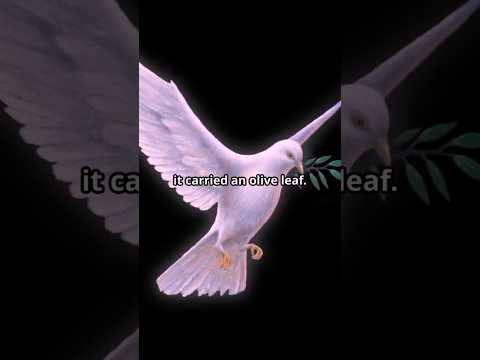
    The raven went “to and fro,” never returning. Then, Noah sent out a dove, which came back with nothing the first time, returned with an olive leaf the second, and didn’t come back at all the third.

    These small acts hold spiritual wisdom we still need today.

    The Raven: Restlessness Without Direction

    The raven represents wandering without purpose. It never returned to Noah. Many scholars believe the raven found floating carcasses and was content to scavenge. In a symbolic sense, the raven shows what happens when we settle for immediate gratification over divine direction.

    How often do we send out our own “ravens”—half-prayers, rushed decisions, or actions born out of fear—and they never return with peace?

    The raven reminds us that not everything we release is meant to guide us.

    The Dove: A Messenger of Patience and Peace

    The dove, on the other hand, embodies hope, renewal, and trust. The first time it returned empty—it wasn’t time yet. But Noah sent it again. And again. The second time, it came back with a freshly plucked olive leaf—a sign that the waters were receding and new life was possible.

    The third time, it didn’t return at all—because it had found a place to rest. That moment is filled with grace: it marks the end of waiting and the beginning of a new season.

    Spiritual Lessons from Genesis 8:6-12

    This passage speaks directly to our lives today. Many of us are in seasons of waiting—waiting on direction, on healing, on breakthrough. And in that waiting, we often try to find signs. Sometimes what we send out returns with silence. Sometimes it brings back confusion. And sometimes, with patience, it returns with proof of God’s provision.

    The story of the raven and the dove reminds us:

    • Not every sign is from God—some just echo our own uncertainty.
    • Peace takes patience—answers don’t always come right away.
    • God’s timing is perfect—even if it feels slow.

    The olive leaf didn’t appear right away. It took persistence. But when it came, it brought undeniable hope.

    A Symbol of Renewal and Resurrection

    In Christian tradition, the dove also becomes a symbol of the Holy Spirit, of renewal and peace after judgment. The olive branch represents reconciliation between God and humanity. Together, they remind us that even after devastation, God prepares new ground for growth.

    What begins as a survival story in Genesis becomes a picture of redemption.

    Final Reflection

    We all send out birds. We all release things into the unknown—faith, prayers, dreams, and doubts. Some never return. Others come back with blessings we didn’t expect.

    The question is: Will we wait on the dove? Will we trust that even if the first flight brings nothing, the next one may return with life?

    God is not silent. He’s just working on the soil beneath the surface.

    Keep trusting. Keep sending the dove. Dry ground is closer than you think.

    The Raven and the Dove – A Lesson from Genesis 8:6-12.
    The Raven and the Dove – A Lesson from Genesis 8:6-12.

    P.S. If this reflection stirred something in your spirit, subscribe to Holy Thread Project on YouTube for more biblical insight—one thread at a time.

    #Genesis #RavenAndDove #BiblicalWisdom #FaithInGod #NoahAndTheArk #OldTestamentLessons #HolyThreadProject #SpiritualGrowth #GodsTiming #HopeAndRenewal