Category: HolyThreadProject

Exploring the Bible verse by verse. HolyThreadProject shares timeless scripture reflections, spiritual insights, and faith-based inspiration.

  • God Remembered Noah—A Promise in Genesis 8:1-5.

    God Remembered Noah—A Promise in Genesis 8:1–5 | Mercy After the Storm.
    God Remembered Noah—A Promise in Genesis 8:1-5.

    God Remembered Noah—A Promise in Genesis 8:1-5.

    By HolyThreadProject

    In one of the most powerful moments of the Old Testament, Genesis 8:1 opens with a quiet, profound statement: “But God remembered Noah…” These five words are more than a narrative detail. They’re a reminder of God’s faithfulness in seasons of waiting, silence, and uncertainty. This verse speaks deeply to anyone who’s ever wondered, “Has God forgotten me?”

    When the Floodwaters Rise

    Noah had obeyed God when no one else would. He built the ark, entered with his family and the animals, and watched as the rain came and the world changed. Then… silence. The floodwaters rose and stayed. Days turned into weeks. Weeks into months.

    It’s in that silence where many of us live today. Waiting. Hoping. Praying. Wondering if God sees us. If He still has a plan.

    But Genesis 8:1 is clear: God remembered Noah.

    Not because He had forgotten. But because the time had come to act again.

    What “God Remembered” Really Means

    In biblical terms, when it says God remembered, it doesn’t mean He had a lapse in memory. Instead, it signals a turning point—a moment when God moves in alignment with His covenant and compassion.

    It’s the same phrase used in other parts of Scripture:

    • God remembered Abraham and saved Lot (Genesis 19:29).
    • God remembered Rachel, and she conceived (Genesis 30:22).
    • God remembered His covenant with the Israelites in Egypt (Exodus 2:24).

    In each case, “remembering” is linked with divine action, mercy, and restoration.

    The Waters Begin to Recede

    Genesis 8:1-5 shows that after God “remembered” Noah, He sent a wind, and the floodwaters began to recede. It didn’t happen instantly. The ark didn’t land the next day. But things started moving. Slowly. Quietly. Powerfully.

    This is the heart of the message: Even when you can’t see the change, God is already working.

    You may feel like you’re drifting in the middle of your own flood, stuck in a season of waiting. But God sees you. He hasn’t forgotten your obedience, your prayers, or your pain. The wind is already blowing. The waters are already receding.

    A Promise for Every Believer

    This passage is more than a story about Noah—it’s a promise for every believer. God’s timing is perfect. His promises do not expire. And even in the silence, He is preparing your next chapter.

    Noah didn’t get a warning before God moved. He didn’t hear a voice saying, “Tomorrow the wind will come.” He simply stayed faithful—and trusted that the God who shut him in the ark was the same God who would open the door again.

    That kind of faith is what this story calls us to. Faith in God’s timing. Faith in God’s memory. Faith that the silence is not the end.

    Application for Today

    So what does “God remembered Noah” mean for you and me today?

    • It means that no act of obedience goes unnoticed.
    • It means that silence is not absence.
    • It means that God keeps His promises, even if His timeline looks different from ours.
    • It means that your flood season has an end—and God knows exactly when that will be.

    Keep building the ark. Keep trusting through the rain. The wind is coming. The waters will recede. And God will move again—right on time.


    Conclusion

    “But God remembered Noah…”
    Let these words anchor your heart when life feels uncertain. Whether you’re in a storm, adrift on rising waters, or sitting in silence—God remembers. He sees. He moves.

    At HolyThreadProject, we believe that every piece of Scripture carries timeless wisdom. Genesis 8:1-5 reminds us that waiting is never wasted when we place our faith in God. Trust His timing. Trust His promise.
    God Remembered Noah—A Promise in Genesis 8:1-5.
    God Remembered Noah—A Promise in Genesis 8:1-5.

    If this message spoke to you, be sure to subscribe to HolyThreadProject on YouTube for more biblical truth, encouragement, and faith-filled content.


    #GodRememberedNoah #Genesis8 #GodsPromises #FaithInGod #HolyThreadProject #BibleEncouragement #SpiritualGrowth
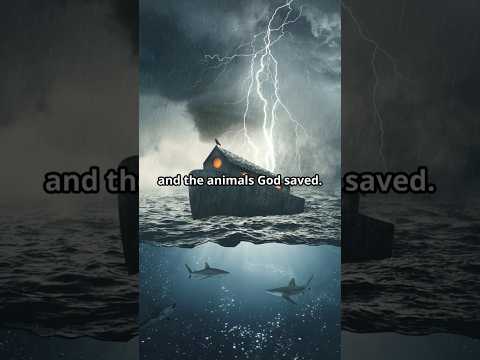
  • The Great Flood Rises – Genesis 7:10–24 Explained.

    The Great Flood Rises—Genesis 7:10–24 Explained | Waters of Judgment and Grace.
    The Great Flood Rises – Genesis 7:10–24 Explained.

    The Great Flood Rises – Genesis 7:10–24 Explained.

    In Genesis 7:10–24, the story of Noah and the Great Flood reaches its most dramatic moment: the rain begins to fall, and the waters of judgment rise.

    After seven days of waiting—just as God said—the floodgates of the heavens opened, and the fountains of the deep burst forth. Rain fell for 40 days and 40 nights, covering the earth completely. Mountains vanished beneath the waves. Every living thing not aboard the ark was wiped out.

    This passage marks one of the most sobering scenes in the Old Testament, and one of the clearest displays of divine justice and mercy woven together.


    Obedience in the Waiting

    It’s important to note that Noah had already built the ark when this moment came. He followed God’s instructions precisely—even when others mocked him or failed to understand.

    Genesis 7:10 says, “And after seven days the waters of the flood came upon the earth.” That pause—those seven days—invite reflection. What was going through Noah’s mind? Faith isn’t just about building; it’s also about waiting in trust.


    The Great Flood as Judgment and Renewal

    While the Genesis Flood is often taught as a story of judgment, it’s also a story of reset and renewal. The earth had become corrupt and filled with violence (Genesis 6:11), and God responded not out of rage, but out of justice and sorrow.

    By preserving Noah, his family, and the animals, God ensured that life would continue—but it would start over on new ground, under a renewed covenant.


    What Does This Mean for Us Today?

    In our world, there may not be a literal flood rising, but the metaphor holds deep meaning. We face cultural floods, emotional floods, spiritual floods—overwhelming seasons where only trust in God’s guidance keeps us grounded.

    Noah didn’t wait to build when the rain started—he prepared in faith before it came. That’s the key takeaway. Are we building lives of faith now, even when everything feels calm? Are we listening to God’s voice before the pressure comes?


    The Ark: A Symbol of Salvation

    The ark isn’t just a wooden boat—it’s a symbol of God’s mercy and protection. Just as Noah and his family were saved through the ark, we are offered salvation today through Christ.

    The flood may have wiped out corruption, but the ark preserved purpose. It sheltered life, hope, and promise. In a world flooded with uncertainty, the message of Genesis 7:10–24 is simple: Stay close to what God is building.


    HolyThreadProject: Weaving Scripture into Everyday Life

    This short is part of the growing HolyThreadProject—where we unpack Scripture, one passage at a time, to uncover timeless truths that still speak today.

    We believe the Bible isn’t just history—it’s a living word. And this passage from Genesis reminds us that judgment is real, yes, but so are mercy, protection, and divine order.

    Whether you’re studying the Bible, exploring Christianity, or seeking encouragement, we’re here to help connect the threads.


    Final Thoughts

    Genesis 7:10–24 isn’t just about water—it’s about obedience, timing, and trust. It reminds us to build our lives in alignment with God, not the world. It calls us to take God’s word seriously, even when we don’t fully understand the timing.

    The question isn’t just, “Would you enter the ark?”
    It’s also, “Are you building one now?”

    The Great Flood Rises – Genesis 7:10–24 Explained.
    The Great Flood Rises – Genesis 7:10–24 Explained.

    🙏 Watch the short above. Reflect. Share. And don’t forget to subscribe to HolyThreadProject on YouTube for more Scripture-based insights.

    P.S. The great flood wasn’t just about water—it was about renewal, obedience, and trusting God when the skies grow dark.

    #GenesisFlood #BibleStudy #HolyThreadProject #SpiritualGrowth #NoahsArk #BibleExplained #FaithContent

  • The Ark Was More Than a Boat—Genesis 7:1–9 Revealed.

    The Ark Was More Than a Boat—Genesis 7:1–9 Revealed | Salvation in Obedience.
    The Ark Was More Than a Boat – Genesis 7:1–9 Revealed.

    The Ark Was More Than a Boat—Genesis 7:1–9 Revealed.

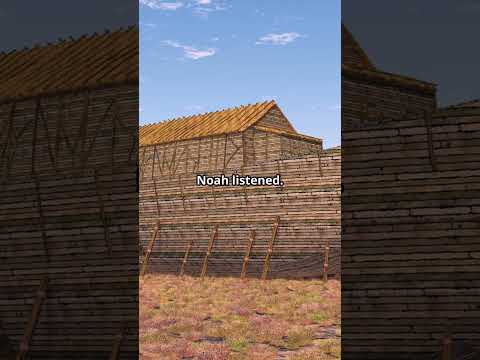
    The story of Noah’s Ark in Genesis 7:1–9 is often taught as a tale of survival—a divine warning followed by the building of a boat to escape the flood. But what if the Ark wasn’t just a physical structure? What if it represented something far deeper—a spiritual principle, a blueprint for obedience, and a symbol of trust?

    In this HolyThreadProject short, we explore the hidden meaning of Genesis 7:1–9 and why the Ark was far more than wood, nails, and animals.

    A Closer Look at Genesis 7:1–9

    In Genesis 7:1, God says to Noah, “Go into the Ark, you and your whole family, because I have found you righteous in this generation.” This moment marks a turning point—not just in the story, but in biblical symbolism. Notice that God doesn’t say “build the Ark” here—that part’s already done. Now, He says, “enter.”

    This command represents transition, obedience, and faith in action. The Ark becomes a sacred space—not simply a shelter, but a divine threshold. To step into it is to trust fully in God’s instruction, even when the world is about to collapse.

    The Ark as a Spiritual Archetype

    Throughout Scripture, physical objects often carry deeper spiritual meaning: the Tabernacle, the Temple, the Ark of the Covenant. Likewise, Noah’s Ark isn’t just a survival pod—it’s a symbol of divine order amidst chaos.

    It separates:

    • Faith from fear
    • Obedience from resistance
    • God’s promise from the world’s corruption

    In this sense, the Ark becomes a kind of spiritual container—one that holds the righteous, protects them through the storm, and carries them toward new life.

    Obedience Before Outcome

    Genesis 7:5 says, “And Noah did all that the Lord commanded him.” That line is brief, but it carries weight. Noah didn’t hesitate, question, or delay. His obedience was immediate and complete—even when the skies were clear and the flood hadn’t yet begun.

    This is the heart of the story. The Ark works not because of its structure, but because of faith-powered obedience.

    For us today, the Ark could be anything:

    • A call to step away from noise and into silence
    • A decision to trust divine timing over human logic
    • A personal retreat into prayer when the world demands productivity

    The Flood Within

    While the biblical flood is often seen as a literal event, it also serves as a metaphor. It represents the emotional, spiritual, and societal chaos that surrounds us. In those moments of uncertainty, the invitation to “enter the Ark” becomes more than ancient instruction—it becomes a daily practice.

    The Ark is the inner space we build through trust, silence, and surrender. It’s how we float above the flood without denying it exists.

    Why This Still Matters

    At HolyThreadProject, we believe the Bible is more than ancient history—it’s a living thread of truth, constantly weaving through our lives. This short on Genesis 7:1–9 reminds us that obedience isn’t passive—it’s a bold, trusting step into the unknown.

    Noah’s story isn’t about avoiding destruction. It’s about preparing for renewal. And the Ark wasn’t just a boat—it was a covenant made visible.


    Watch the Short

    🎬 The Ark Was More Than a Boat—Genesis 7:1–9 Revealed (Video embedded above)


    Final Reflection

    Where is God asking you to “enter” today? What might your personal Ark look like?
    As we navigate storms—external and internal—we’re reminded that protection doesn’t always look like escape. Sometimes it looks like stepping into obedience, even when the clouds haven’t formed yet.

    Stay connected. Stay faithful. And keep following the threads.

    The Ark Was More Than a Boat—Genesis 7:1–9 Revealed.
    The Ark Was More Than a Boat—Genesis 7:1–9 Revealed.

    P.S.

    If this message stirred something in you, don’t scroll past it. Subscribe to HolyThreadProject on YouTube and keep uncovering the sacred threads hidden in Scripture—one short at a time. 🕊️

    #Genesis7 #NoahsArk #BibleShorts #HolyThreadProject #SpiritualSymbolism #FaithInMotion #BiblicalWisdom #ScriptureRevealed #OldTestamentTruths #ObedienceAndFaith

  • God Commands Noah to Build the Ark – Genesis 6:11-22.

    God Commands Noah to Build the Ark—Genesis 6:11–22 | Faith Before the Flood.
    God Commands Noah to Build the Ark – Genesis 6:11-22.

    God Commands Noah to Build the Ark – Genesis 6:11-22.

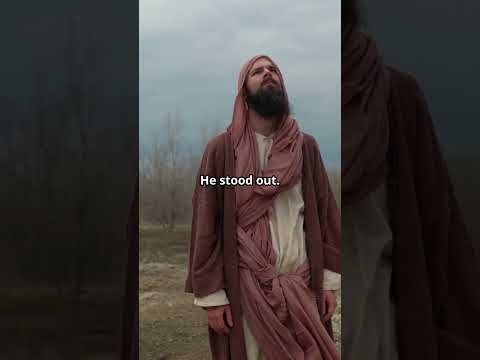
    In a world filled with corruption, violence, and moral decay, one man stood out—not because of perfection, but because of obedience. That man was Noah, and his story in Genesis 6:11–22 is one of the most powerful examples of faith in action found in the Bible.

    This post unpacks the moment when God commands Noah to build the ark, the meaning behind this divine instruction, and what it still speaks to us today.


    The World Had Fallen

    Genesis 6 opens with a dark snapshot of humanity. The earth had become corrupt, filled with violence and wickedness. People had turned away from God’s ways, choosing selfishness and sin over righteousness.

    In Genesis 6:11-12, it says:

    “Now the earth was corrupt in God’s sight and was full of violence… all the people on earth had corrupted their ways.”

    It was not only a physical destruction that was coming—it was a spiritual reset. But in the midst of this decay, Noah found favor in the eyes of the Lord.


    God commands: Build the Ark

    Instead of simply wiping the slate clean, God chose to preserve a remnant—a future for humanity and creation. He gave Noah a very specific and detailed task:

    “So make yourself an ark of cypress wood; make rooms in it and coat it with pitch inside and out…” (Genesis 6:14)

    From its dimensions (300 cubits long!) to its three decks and single door, the instructions weren’t vague. They were exact, showing that God is not only a righteous judge but also a God of order, structure, and purpose.

    The ark wasn’t just a boat—it was a symbol of God’s mercy, protection, and covenant.


    Noah’s Radical Obedience

    What’s truly remarkable is not just that God gave a command—but that Noah obeyed without hesitation. Genesis 6:22 tells us:

    “Noah did everything just as God commanded him.”

    No questions. No shortcuts. No compromises.
    Even though the skies were clear and the world continued as usual, Noah began building. Why? Because he believed God, even before the rain.

    This is faith—not just believing in God, but trusting Him enough to act.


    What We Learn from Noah’s Obedience

    Noah’s story reminds us that:

    • God always provides a way through judgment.
    • Obedience often looks foolish to the world.
    • Faith requires action, not just belief.
    • Following God’s voice protects and prepares us for what’s coming.

    Just as Noah was called to build a literal ark, we are called to build lives of integrity, trust, and spiritual discipline—even when no one else understands.


    The Ark Still Speaks Today

    Today, we may not be constructing physical arks, but we are called to follow God’s instructions, trust His timing, and prepare spiritually for what’s ahead. The world still faces chaos, and God still seeks people who will walk faithfully with Him.

    Ask yourself:

    • Am I listening when God speaks?
    • Do I delay obedience because I don’t understand the full plan?
    • What is God asking me to build in faith?

    Final Thoughts

    Genesis 6:11–22 is not just ancient history—it’s a call to modern obedience. God’s command to Noah to build the ark is a vivid picture of faith, trust, and the cost of discipleship.

    When we say yes to God—like Noah—we become part of a greater story. One where obedience builds legacy, and faith creates the shelter that carries others through the storm.

    God Commands Noah to Build the Ark – Genesis 6:11-22.
    God Commands Noah to Build the Ark – Genesis 6:11-22.

    P.S.

    Want more timeless truth like this? Subscribe to HolyThreadProject on YouTube for weekly Bible shorts that bring Scripture to life in under a minute. 🙏

    #NoahsArk #Genesis6 #FaithInAction #BibleTeaching #OldTestament #ObedienceToGod #HolyThreadProject #BibleStudy #ChristianFaith #WalkWithGod #ScriptureTruth #GodsInstructions

  • The Righteous Noah Walked with God – Genesis 6:9-10.

    The Righteous Noah Walked with God—Genesis 6:9–10 | Faith in a Fallen World.
    The Righteous Noah Walked with God – Genesis 6:9-10.

    The Righteous Noah Walked with God – Genesis 6:9-10.

    In a world drowning in sin, chaos, and corruption, Noah stood out—not because of his fame, wealth, or strength, but because of one powerful truth: Noah walked with God.

    This phrase from Genesis 6:9–10 holds timeless meaning. It’s more than just a historical note. It’s a divine testimony to righteous living in an unrighteous age.

    Let’s explore what it means to walk with God, why Noah was considered righteous, and how his example speaks directly to our generation.


    Who Was Noah, and Why Was He Righteous?

    Genesis 6:9 says:

    “Noah was a righteous man, blameless among the people of his time, and he walked with God.”

    In a time when humanity had become corrupt and violent, God looked across the earth and found one man whose heart was aligned with His—Noah. Unlike those around him, Noah lived with integrity, obedience, and faith.

    But Noah’s righteousness wasn’t just about personal morality. It was about relationship. He didn’t just follow rules—he walked in close fellowship with God. That’s what set him apart.


    Walking with God in a Fallen World

    To walk with God means more than belief—it means alignment. It means living daily in God’s presence, seeking His will, and trusting His guidance, especially when it’s hard.

    For Noah, that walk led to radical obedience. When God told him to build an ark, he didn’t hesitate—even though there had never been a flood before. His obedience saved his family and preserved God’s plan for humanity.

    Today, believers are called to do the same: to walk in righteousness, even when the world walks the other way.


    Relevance for Today’s Generation

    Noah’s story isn’t just ancient history—it’s a blueprint for modern faithfulness.
    In a world filled with distractions, compromise, and spiritual apathy, we’re called to be like Noah:

    • Live differently. Don’t conform—be transformed.
    • Stay close to God. Build habits of prayer, Scripture, and obedience.
    • Lead your family in faith. Noah’s walk impacted generations.

    Being righteous in a corrupt world takes courage. But God still notices those who walk with Him.


    The Legacy of Righteousness

    Because Noah walked with God, he found favor in God’s eyes. His obedience brought salvation—not only to himself, but to his entire household.

    Genesis 6:10 tells us that Noah had three sons: Shem, Ham, and Japheth. His faithfulness didn’t stop with him—it shaped future generations. That’s the power of a righteous legacy.


    Final Reflection

    Noah’s story challenges us to ask a simple but powerful question:
    Are we walking with God—or drifting with the crowd?

    Righteousness isn’t about being perfect. It’s about being faithful. Noah wasn’t sinless, but he was sincere. And that sincerity changed history.

    When the world turns dark, God still looks for those who will walk with Him. Will you be one of them?


    The Enduring Symbol of the Righteous Noah

    The story of the righteous Noah is more than a moment in Genesis—it’s a prophetic signpost pointing to God’s desire for partnership with humanity. Noah reminds us that righteousness isn’t defined by perfection, but by devotion. He listened when others mocked. He obeyed when others ignored. His life became a living testimony that one faithful person can change the course of history. In every generation, God is still seeking those who will walk with Him like the righteous Noah did—boldly, obediently, and with unwavering trust.

    The Righteous Noah Walked with God – Genesis 6:9-10.
    The Righteous Noah Walked with God – Genesis 6:9-10.

    Want More Bible Wisdom in Under a Minute?

    🙏 Subscribe to HolyThreadProject on YouTube, and share it with someone walking their faith journey.


    #Noah #Genesis #BibleWisdom #WalkWithGod #RighteousLiving
    #HolyThreadProject #DailyScripture #FaithInAction #BibleShorts #ChristianContent