Blog

  • Genesis 21: When Isaac Was Born to Sarah and Abraham.

    Genesis 21 — When Isaac Was Born to Sarah and Abraham | God’s Promise Fulfilled.
    Genesis 21: When Isaac Was Born to Sarah and Abraham.

    Genesis 21: When Isaac Was Born to Sarah and Abraham.

    How Faith, Waiting, and God’s Promise Collide in a Single Moment


    The Waiting Season No One Wants

    Waiting tests even the strongest hearts. When God makes a promise, but time drags on, questions start to rise: Did I hear right? Did God forget?
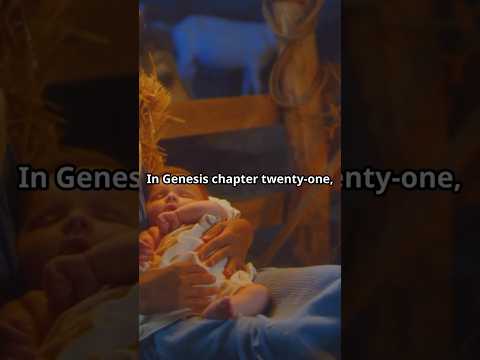
    For Abraham and Sarah, the wait for a child stretched across decades. But in Genesis 21, something extraordinary happens: the long-awaited son is born.

    Sarah, once barren and in old age, gives birth to Isaac, whose name means “he laughs.” The name is no accident. It reflects not only joy—but the unbelievable nature of God’s work. At 90 years old, Sarah laughs not in doubt but in awe. God had remembered her.


    Genesis 21: The Fulfillment of a Divine Covenant

    Genesis 21 isn’t just about the birth of a child. It’s about a promise fulfilled, a covenant realized. Back in earlier chapters, God had promised Abraham descendants as numerous as the stars. But time kept passing—and no son came.

    Now, in Abraham’s 100th year, that promise comes to life. Isaac’s birth marks a turning point not only for Abraham’s family but for the entire biblical narrative. From this child, a nation will be born—Israel.

    This chapter reminds us that when God speaks, delay does not mean denial. His timeline may not match ours, but it is always on time.


    The Power of a Laugh

    Sarah’s laugh is more than a reaction—it’s a prophecy. Her laughter becomes the name of her son, and her story echoes through time as a witness to God’s ability to do the impossible.

    How many of us have laughed at the idea that our circumstances could change? That God could bring life into something that looks dead? That joy could rise where grief once ruled?

    Genesis 21 says yes. Yes, He can. Yes, He will. Yes, He does.


    Lessons from Genesis 21 for Today

    Even though this story is ancient, the spiritual truth is timeless. Here’s what we learn:

    • God doesn’t forget promises
      – Even if it takes years, what He speaks will come to pass.
    • Faith requires endurance
      – Abraham and Sarah weren’t perfect, but they held on.
    • Joy follows obedience
      – When we trust the process, joy becomes our reward.
    • Nothing is impossible with God
      – Barren wombs, old age, and hopeless odds are no obstacle to Him.

    A Birth That Leads to a Nation

    The impact of Genesis 21 goes beyond Abraham’s tent. Isaac’s birth sets the stage for the rest of the Old Testament. Through Isaac comes Jacob, and through Jacob come the twelve tribes of Israel.

    This moment is not just a family milestone—it’s a spiritual legacy. The laughter that filled Sarah’s tent still echoes in every person who learns to trust God during a long night of waiting.


    You’re Not Forgotten—You’re Being Prepared

    Maybe you’re in a waiting season right now. Maybe you’ve been holding on to a promise for a long time, wondering if it will ever come to pass.

    Let Genesis 21 speak to your heart: God is not slow. He is not distant. He is shaping, preparing, and aligning everything for the moment when the promise arrives.

    When it does, you won’t just receive the blessing—you’ll understand the journey that led to it.


    Want More? Stay Connected.

    If this story moved you, subscribe to HolyThreadProject for more short-form Bible reflections, faith-building content, and spiritual insight drawn straight from Scripture.

    We believe the Bible isn’t just a book—it’s a thread that connects us to purpose, promise, and the presence of God.
    Genesis 21: When Isaac Was Born to Sarah and Abraham.
    Genesis 21: When Isaac Was Born to Sarah and Abraham.

    P.S.
    Laughed at the idea that God still moves? So did Sarah—right before He did the impossible.
    ✨ Subscribe to HolyThreadProject on YouTube for more moments like this—because the story isn’t over, and neither is yours.

    #Genesis21 #IsaacIsBorn #GodsPromise #FaithInGod #BibleStories #HolyThreadProject #AbrahamAndSarah #OldTestament #SpiritualGrowth #ChristianFaith

  • Abraham & Abimelek: A Lesson in Trust—Genesis 20 Explained.

    Abraham & Abimelek — A Lesson in Trust and God’s Protection | Genesis 20 Explained.
    Abraham & Abimelek: A Lesson in Trust—Genesis 20 Explained.

    Abraham & Abimelek: A Lesson in Trust—Genesis 20 Explained.

    Introduction: When Faith Meets Fear

    Genesis 20 presents a surprising twist in the journey of the patriarch Abraham. Known for his faith and obedience, he decides driven not by trust but by fear. He tells King Abimelek of Gerar that Sarah is his sister, not his wife—a lie meant to protect himself. The consequences are immediate, and yet, what unfolds is not condemnation, but a powerful reminder of God’s sovereignty, protection, and grace.

    This chapter offers more than just an ancient narrative. It reveals the struggle between fear and faith, the risks of self-preservation, and the relentless mercy of God even when we falter.

    The Context: A Repeated Mistake

    Genesis 20 isn’t the first time Abraham tells this lie. A similar incident occurs earlier in Genesis 12, suggesting that old fears can resurface even after spiritual growth. Despite God’s repeated promises to protect and bless him, Abraham again relies on his plan to stay safe.

    This highlights a deeply human trait: the tendency to lean on our understanding when circumstances seem threatening. But Genesis 20 teaches us that God’s faithfulness isn’t contingent on our flawless performance.

    Abimelek’s Role: Integrity in Action

    Abimelek, though a pagan king, emerges as a man of integrity. When God appears to him in a dream and reveals the truth about Sarah, he acts quickly and righteously. He confronts Abraham, restores Sarah without harming her, and even blesses Abraham with land and gifts.

    This part of the story shifts the focus. While Abraham is seen acting out of fear, Abimelek responds to divine revelation with obedience. It’s a reminder that God’s truth can reach beyond religious boundaries and stir the hearts of anyone willing to listen.

    Divine Protection and Purpose

    One of the most powerful elements of this chapter is the way God protects His promise. Despite Abraham’s deception, God intervenes directly to prevent Sarah from being harmed. His covenant with Abraham is not derailed by human weakness.

    Even more striking is that God calls Abraham to pray for Abimelek’s household to be healed, restoring fertility after God had temporarily closed all the wombs in Abimelek’s household. This moment is filled with irony and grace: the man who endangered others through his lie becomes the very vessel God uses to bring healing.

    Trusting God With the Unknown

    Genesis 20 challenges us to consider how we respond when circumstances make God’s promises feel distant. Abraham had heard God’s voice and seen His provision, yet he still fell back on fear. We’re not so different. Trusting God isn’t a one-time decision—it’s a daily choice, especially when the stakes are high.

    This story invites us to walk in deeper trust, even when logic tells us to take control. It also reassures us that when we stumble, God doesn’t abandon us. He corrects, protects, and continues His purpose through us.

    A Lesson for Today

    The account of Abraham and Abimelek may be ancient, but its lesson is timeless. Faith doesn’t mean we never make mistakes. It means that even in our failure, God remains faithful. He’s not looking for perfection—He’s looking for hearts willing to return to Him.

    This chapter reminds us that fear can distort our actions, but it doesn’t have to define us. Through honesty, humility, and a return to trust, we find our place again in God’s plan.


    Conclusion

    Genesis 20 reveals that even a great figure like Abraham struggled with fear and failure. Yet, God’s plan moved forward—not because Abraham was perfect, but because God is merciful. As we face our moments of uncertainty, may we be reminded that trust in God isn’t just a concept—it’s a lived commitment, renewed day by day.

    Abraham & Abimelek: A Lesson in Trust—Genesis 20 Explained.
    Abraham & Abimelek: A Lesson in Trust—Genesis 20 Explained.

    P.S. If this story sparked reflection or helped you see Scripture in a new light, subscribe to HolyThreadProject on YouTube to get more short, powerful Bible insights.

    #Genesis20 #BibleExplained #FaithLessons #TrustInGod #BiblicalStories #Abimelek #GodIsFaithful #HolyThreadProject #ScriptureReflections #BibleInsights

  • God’s Judgment on Sodom: A Genesis 19 Bible Insight.

    God’s Judgment on Sodom — Genesis 19 Bible Insight into Sin, Fire, and Redemption.
    God’s Judgment on Sodom: A Genesis 19 Bible Insight.

    God’s Judgment on Sodom: A Genesis 19 Bible Insight.

    The account of Sodom and Gomorrah in Genesis 19 is one of the Bible’s most sobering moments. More than a record of destruction, it’s a powerful look into divine justice, human rebellion, and the unwavering character of God.

    Sodom was a city overflowing with sin, pride, and disregard for righteousness. Yet, before any consequences were delivered, God sent two angels—not to destroy, but to warn. This early moment reveals a central truth of Scripture: before justice comes, mercy is always offered.

    A Warning Ignored

    Lot welcomes the angels into his home, but the city responds with hostility. The people of Sodom reject the presence of God’s messengers and cling to their sin. The angels urge Lot and his family to flee, offering them a chance to escape what’s coming. Even then, Lot hesitates. But God’s mercy takes the lead—pulling him away before it’s too late.

    This moment isn’t just dramatic storytelling; it’s a reflection of the human heart. How often do we linger in places we know we shouldn’t be? How frequently do we delay when grace is calling us out?

    The Consequence of Corruption

    When Sodom ignores its final opportunity, the response is swift and complete. Fire rains down from heaven—not as an impulsive act, but as a direct consequence of long-persisting evil. In this case, God’s judgment is both a response and a boundary. It reveals that while mercy runs deep, there comes a point when persistent rebellion is met with firm consequence.

    We typically struggle with this side of the biblical narrative, but it’s crucial to understand: justice and love are not opposites. God’s correction flows from His desire to uphold truth, protect the innocent, and heal what is broken.

    What It Means for Us Today

    Genesis 19 isn’t simply about Sodom. It’s about every generation. In a world where moral compromise is normalized, the story speaks with urgency. Are we ignoring the messengers? Are we justifying what we should be leaving behind?

    This isn’t just a tale of what went wrong long ago—it’s a timeless call to live rightly, respond to divine guidance, and take seriously the consequences of the paths we choose.

    Though this passage includes an act of divine judgment, it also carries hope. God desired not to destroy but to rescue. Lot’s escape is a symbol of that possibility—one still offered today to those willing to respond to God’s voice.

    Mercy and Clarity

    Even in the most serious parts of Scripture, the heart of God is clear: He offers warning, a way out, and help even when we hesitate. The destruction of Sodom isn’t about an angry God—it’s about a holy one, responding with clarity to a world that refused to change.

    For those who follow Him, there is confidence: God is just, but He is also kind. His ways may be firm, but they are also full of grace.

    Final Thoughts

    The story of Sodom forces us to consider what happens when a society—or an individual—chooses rebellion over righteousness. It’s not simply about punishment. It’s about the consequences of turning away from what is good.

    God’s response to Sodom was rooted in truth. But His treatment of Lot was rooted in compassion. And that balance speaks volumes to us today.

    God's Judgment on Sodom: A Genesis 19 Bible Insight.
    God’s Judgment on Sodom: A Genesis 19 Bible Insight.

    At HolyThreadProject, we believe even the hard stories of Scripture carry light. They call us to reflect, to return, and to live with both reverence and hope.

    God’s justice is real—but so is His rescue.

    P.S. Judgment in the Bible isn’t just about consequence—it’s a call to return to God. If this message spoke to you, subscribe to HolyThreadProject on YouTube for more biblical insights.

    #Judgment #Genesis19 #BibleStudy #SodomAndGomorrah #GodsJustice #BiblicalTruth #HolyThreadProject #OldTestamentWisdom #ScriptureInsight #DivineWarning

  • Visitors from Heaven: God’s Messengers in Genesis 18.

    Visitors from Heaven — Abraham’s Divine Encounter and God’s Promise in Genesis 18.
    Visitors from Heaven: God’s Messengers in Genesis 18.

    Visitors from Heaven: God’s Messengers in Genesis 18.

    In Genesis 18, we witness one of the most extraordinary moments in the Old Testament—a quiet day under the oaks of Mamre turns into a divine encounter. Abraham, a faithful servant of God, welcomes three mysterious strangers. These were no ordinary travelers; they were visitors from heaven—messengers of the Lord, and one of them was the Lord Himself.

    This moment isn’t just dramatic; it’s deeply spiritual. The story reminds us that heaven doesn’t always announce itself with thunder and fire. Sometimes, it arrives quietly, dressed in the robes of ordinary life.

    The Context of Genesis 18

    Abraham was sitting at the entrance of his tent in the heat of the day when he noticed three men standing nearby. Without hesitation, he ran to meet them, bowed low, and offered food, water, and rest. This act of hospitality would become one of the most sacred encounters in scripture.

    These visitors from heaven were sent with a divine message: that Sarah, Abraham’s wife, though advanced in years, would bear a son. This miraculous promise was hard to believe—Sarah even laughed—but it came from God Himself, delivered by His messengers.

    What Makes These Visitors So Important?

    In the ancient world, hospitality was more than good manners—it was a spiritual act. Abraham didn’t just show kindness; he displayed a readiness to receive what heaven might send. His heart was open, and that made all the difference.

    The visitors from heaven didn’t just bring news of a child. They brought confirmation of God’s covenant, a renewal of hope, and a challenge to trust beyond human logic. They also previewed divine judgment for Sodom and Gomorrah, reminding us that God’s presence brings both promise and accountability.

    Lessons from the Visitors from Heaven

    1. God Often Works Through the Unexpected
      The visitors from heaven didn’t come with trumpets or glowing halos. They came as weary travelers. This tells us that the divine often comes disguised in the ordinary. Be ready.
    2. Hospitality Can Be Sacred
      Abraham’s simple offering of bread, rest, and water opened the door to a life-changing encounter. We never know how our small acts of kindness might become spiritual gateways.
    3. Faith Means Trusting When It Doesn’t Make Sense
      Sarah laughed because the promise seemed absurd. But the Lord answered, “Is anything too hard for the Lord?” The presence of these heavenly visitors demanded not only belief —but surrender.
    4. The Divine Sees What’s Hidden
      When Sarah laughed to herself, thinking no one heard, God responded. The visitors from heaven weren’t just passing through; they were fully aware, revealing God’s intimate knowledge of our hearts.

    Why This Story Still Matters

    In our modern world, we may not expect angels at the door or the Lord appearing by a tree—but the principle holds. The divine still speaks. God still visits. And often, we are tested in the ordinary to see if our hearts are tuned to the eternal.

    The story of Abraham and the visitors from heaven reminds us to keep our eyes open, our hands ready to serve, and our hearts prepared for the miraculous. We don’t need mountaintop moments to encounter God. Sometimes, all it takes is the willingness to welcome the unexpected.

    Visitors from Heaven: God's Messengers in Genesis 18.
    Visitors from Heaven: God’s Messengers in Genesis 18.

    Final Thought

    The visitors from heaven came to Abraham with both promise and purpose. And even now, God sends His presence into our lives through scripture, people, and quiet moments of revelation. The question is—will we recognize it when it comes?

    P.S. Want more bite-sized Bible reflections like this? Subscribe to HolyThreadProject on YouTube and never miss a moment of scripture brought to life.

    #VisitorsFromHeaven #Genesis18 #HolyThreadProject #BibleWisdom #FaithInAction #DivineEncounters #SpiritualGrowth #BibleShorts

  • The Covenant Sign in Genesis 17: God’s Everlasting Promise.

    The Covenant Sign in Genesis 17 — God’s Everlasting Promise Explained.
    The Covenant Sign in Genesis 17: God’s Everlasting Promise.

    The Covenant Sign in Genesis 17: God’s Everlasting Promise.

    In Genesis 17, we encounter one of the most foundational moments in all of Scripture—the establishment of God’s covenant with Abraham. This covenant wasn’t just a promise; it was a defining relationship between the Creator and His chosen people. And at the heart of that covenant was a sign: circumcision. While modern readers might overlook its importance, this act held—and still holds—immense spiritual weight.

    What Was the Covenant in Genesis 17?

    God spoke directly to Abram, reaffirming and expanding on promises He had made in earlier chapters. But now, God renames him Abraham, meaning “father of many nations.” In doing so, God declares that Abraham’s lineage will carry divine significance.

    “I will establish my covenant as an everlasting covenant between me and you and your descendants after you…” – Genesis 17:7

    This wasn’t a temporary arrangement—it was an everlasting covenant. God promised to bless Abraham with descendants, land, and most importantly, a lasting relationship with Himself.

    The Covenant Sign: Circumcision

    As part of this covenant, God introduced a physical sign: circumcision. Every male among Abraham’s descendants, including slaves and foreigners in the household, was to be circumcised as a mark of the covenant.

    While the act may seem purely physical or cultural to modern readers, in its original context, it was a deeply spiritual symbol. Circumcision signified belonging, obedience, and faith. It was a reminder that God’s people were set apart—chosen not just to receive blessings, but to walk in holiness.

    Why This Matters Today

    Though circumcision is no longer required under the New Covenant established through Jesus Christ, its spiritual message still echoes throughout Scripture and Christian life.

    In the New Testament, Paul writes about a circumcision of the heart (Romans 2:29), pointing to an inward transformation rather than an external ritual. The essence of the covenant hasn’t changed—God still desires a marked people, but now the mark is internal: a heart surrendered to Him.

    For modern believers, Genesis 17 is a powerful reminder that:

    • God keeps His promises. His covenant with Abraham was never broken.
    • God calls us to obedience. Faith is not passive—it requires a response.
    • God desires a relationship. His covenant is not just about law, but about love and belonging.

    The Covenant and Identity

    For Abraham and his descendants, the covenant sign wasn’t just a religious act—it shaped their identity. They were the people of the promise, uniquely marked by their relationship with Yahweh.

    Today, our identity in Christ is rooted in the same covenantal truth. We are called to be distinct—not by rituals, but by lives marked with faith, grace, and holiness. When we live in light of God’s promises, we align ourselves with His purposes and reflect His character to the world.

    Reflecting on the Covenant

    Genesis 17 invites us to reflect: Are we living like people of the promise? Are our lives marked by trust, obedience, and surrender? Do we carry with us the sign—not on our bodies, but in our hearts—that we belong to God?

    The covenant sign in Genesis 17 wasn’t meant to be hidden. It was meant to be a constant reminder of who God is and who His people are called to be. Likewise, our faith today should be visible—in our choices, our compassion, and our commitment to truth.


    Final Thoughts

    The covenant God made with Abraham is not just a historical footnote—it’s a living testimony to God’s faithfulness. Through Genesis 17, we see that God is a covenant-keeping God, and His promises are everlasting. The sign He gave Abraham was a seal of a divine relationship, and the call to obedience still echoes in our walk with Him today.

    If you’re seeking to deepen your understanding of Scripture and live a life marked by God’s promises, Genesis 17 is a beautiful place to begin.

    The Covenant Sign in Genesis 17: God's Everlasting Promise.
    The Covenant Sign in Genesis 17: God’s Everlasting Promise.

    P.S. The covenant sign reminds us that we are marked by God’s promise—not just in word, but in identity. If this spoke to your heart, subscribe to HolyThreadProject on YouTube and keep walking the path of truth and faith.

    #CovenantSign #Genesis17 #GodsPromise #HolyThreadProject #FaithInGod #BiblicalTruth #SpiritualIdentity #EverlastingCovenant