The Rainbow Covenant: God’s Promise in Genesis 9:8–17.
After the great flood, as the waters receded and the earth was renewed, God made a promise—not just to Noah, but to all of creation. This promise, known as the Rainbow Covenant, is one of the most beautiful and enduring symbols in all of Scripture. Found in Genesis 9:8–17, this passage marks a defining moment in biblical history: the first formal covenant between God and humanity.
But what does this covenant mean today? And why did God choose a rainbow to represent it?
Table of Contents
God’s Covenant with Noah
Genesis 9:8–17 recounts God’s words to Noah and his sons after they left the ark. God declares:
“I now establish my covenant with you and with your descendants after you and with every living creature… Never again will there be a flood to destroy the earth.”
(Genesis 9:9–11)
This covenant—often called the Noahic Covenant—is unconditional. God is not asking for anything in return. He is simply making a promise, grounded in mercy, that He will never again wipe out life on earth by flood.
The Rainbow as a Sign
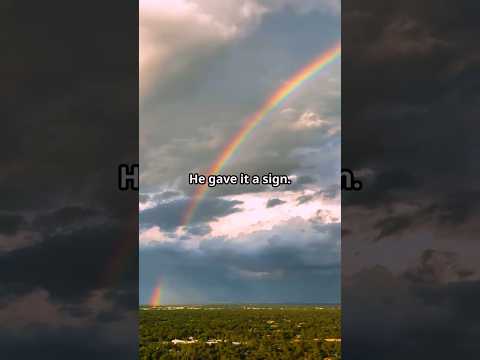
In this same passage, God introduces a powerful visual symbol to seal His covenant: the rainbow.
“I have set my bow in the clouds, and it shall be a sign of the covenant between me and the earth.”
(Genesis 9:13)
The Hebrew word for “bow” (קֶשֶׁת qeshet) usually refers to a warrior’s bow. But here, it’s no longer an instrument of war—it’s suspended in the sky, pointing away from the earth, transformed into a symbol of peace and divine restraint. The rainbow is God’s reminder—to Himself and to us—that mercy now governs where judgment once ruled.
Why This Covenant Still Matters
The Rainbow Covenant isn’t just an ancient promise buried in the pages of Genesis. It’s a living reminder of God’s faithfulness, mercy, and love for all creation.
In a world marked by chaos, violence, and spiritual confusion, the rainbow offers hope. It reminds us that even after seasons of judgment, restoration is possible. God is not distant. He remembers, He redeems, and He keeps His promises.
For believers today, this covenant also points forward—to even greater covenants in Scripture. The Mosaic Covenant would follow, then the New Covenant through Christ. But it all begins here: with a rainbow stretched across the sky.
A Symbol for Every Generation
God says this covenant is for “every living creature” and “for all generations to come.” That means it’s not just a promise to Noah, but to you and me.
We may not face global floods, but we all weather personal storms. The Rainbow Covenant tells us those storms are not the end of the story. The same God who judged the earth also promised never to destroy it in that way again—and set a rainbow in the sky to prove it.
It’s a divine thread woven through time: from creation, through covenant, into redemption.
Final Reflection
The Rainbow Covenant in Genesis 9:8–17 is more than a symbol—it’s a signature. A divine seal on a sacred promise. It reveals God’s heart: patient, merciful, and committed to preserving life.
So the next time you see a rainbow, don’t just admire its beauty. Remember what it means—that God keeps His word, that judgment has limits, and that mercy triumphs.

P.S.
If this reflection on the Rainbow Covenant inspired you, consider subscribing to HolyThreadProject on YouTube for more Scripture-based insights, spiritual symbolism, and short-form Bible teachings woven with timeless truth.
#RainbowCovenant #GodsPromise #Genesis9 #NoahicCovenant #BibleStudy #BiblicalSymbolism #FaithReflection #ScriptureWisdom #HolyThreadProject #CovenantOfGod