Blog

  • Am I My Brother’s Keeper? | Genesis 4:9 Meaning Explained.

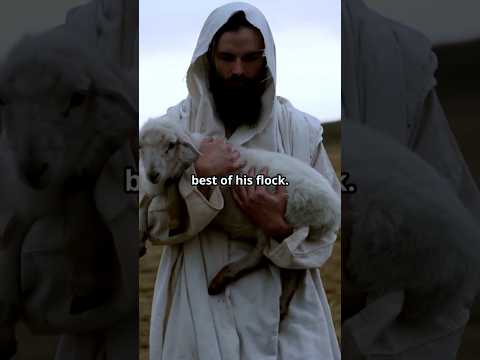
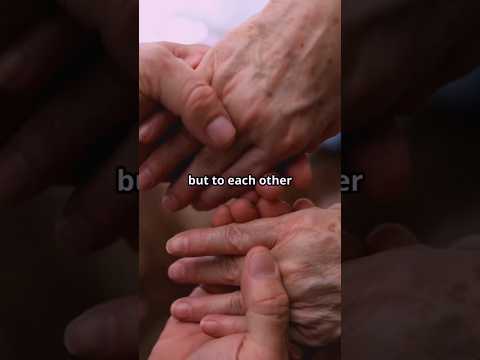
    Am I My Brother’s Keeper? | Genesis 4:9 Meaning Explained | The Call to Compassion.
    Am I My Brother’s Keeper? | Genesis 4:9 Meaning Explained.

    Am I My Brother’s Keeper? | Genesis 4:9 Meaning Explained.

    The Question That Still Echoes

    One of the most powerful questions in the Bible comes from Genesis 4:9:
    Am I my brother’s keeper?
    Spoken by Cain after the murder of his brother Abel, it’s more than a defensive reply—it’s a question that still demands our attention today.

    Cain wasn’t just dodging responsibility. His words reflect a mindset that lingers even now.
    How accountable are we for others? And what does God expect of us?


    Cain, Abel, and the First Act of Deflection

    In Genesis 4, Cain and Abel offer sacrifices to God. Abel’s offering is accepted, Cain’s is not.
    Instead of reflecting, Cain reacts—with jealousy, anger, and violence.

    After killing his brother, God asks Cain, Where is your brother Abel?
    Cain replies: I don’t know. Am I my brother’s keeper?

    This is more than denial. It’s a rejection of moral responsibility.


    Understanding “My Brother’s Keeper”

    The phrase “my brother’s keeper” has transcended scripture—it’s now a cultural expression.
    But in its biblical context, it carries a profound message about moral accountability.

    To be your brother’s keeper isn’t to control someone’s life—it’s to care about it.
    It means being willing to act, to speak up, to intervene when someone is at risk.

    The Bible consistently points us toward community, compassion, and interconnectedness.
    Being responsible for others isn’t weakness—it’s spiritual maturity.


    A Cry That Cannot Be Ignored

    God’s response to Cain is unforgettable:
    Your brother’s blood cries out to Me from the ground.

    This introduces a powerful truth: even when no one speaks, injustice has a voice.
    The ground itself becomes a witness. Silence doesn’t erase wrongdoing—it amplifies it.

    This theme recurs throughout scripture. God hears what we ignore.
    He defends the innocent, responds to oppression, and calls us to do the same.


    The Call to Moral Responsibility

    We often excuse ourselves by saying, That’s not my problem.
    But Genesis challenges this attitude. It teaches us that ignoring someone’s pain is not neutral—it’s a choice.

    Being your brother’s keeper means paying attention.
    It means standing in love, even when it’s inconvenient.
    And it means recognizing that we are, in fact, bound to one another.

    Our actions—or our silence—always have weight.


    Who Is My Brother Today?

    This question isn’t just about family.
    When Jesus told the parable of the Good Samaritan, He redefined “neighbor” to include everyone in need.

    Today, your “brother” might be:

    • The stranger struggling alone
    • The friend dealing with hidden pain
    • The marginalized voices in your community

    Being your brother’s keeper means choosing to see them—and refusing to look away.


    Living as a Keeper

    Cain’s story doesn’t just warn us about violence—it warns us about apathy.
    And the answer to his question isn’t found in a verse—it’s found in how we live.

    We become our brother’s keeper not with big speeches, but with small acts of care.
    A conversation. A shared burden. A moment of advocacy. A refusal to be silent.

    That’s what it means to live the truth of Genesis 4:9–10.


    Final Reflection

    The story of Cain and Abel isn’t just about jealousy and death.
    It’s about how easily we can disconnect from those around us—and how God calls us back.

    The blood still cries out.
    Not just Abel’s, but all who suffer while others remain silent.

    Yes, you are your brother’s keeper.
    And when you live that way, you walk the path of justice, mercy, and truth.
    Am I My Brother’s Keeper? | Genesis 4:9 Meaning Explained.
    Am I My Brother’s Keeper? | Genesis 4:9 Meaning Explained.

    For more scriptural insights and spiritual reflections, subscribe to HolyThreadProject on YouTube and stay connected to the threads that tie us all together.

    #MyBrothersKeeper #Genesis49 #BiblicalWisdom #HolyThreadProject #ScriptureExplained
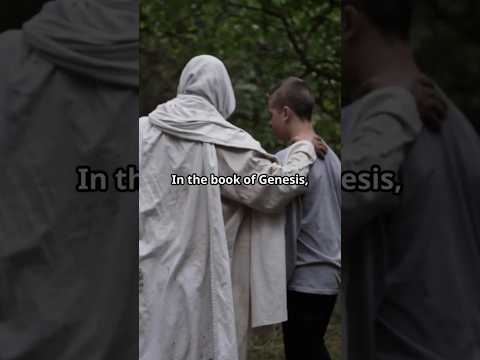
  • Brother’s Blood Cries Out – Genesis 4:8 | Divine Justice.

    Brother’s Blood Cries Out – Genesis 4:8 | Divine Justice and the Cry of Innocence.
    Brother’s Blood Cries Out – Genesis 4:8 | Divine Justice.

    Brother’s Blood Cries Out – Genesis 4:8 | Divine Justice.

    “Cain said to Abel, ‘Let’s go out to the field.’ While they were in the field, Cain attacked his brother Abel and killed him.” — Genesis 4:8

    This is one of the most sobering verses in all of Scripture. In a single line, the Bible introduces us to the first murder in human history—one brother rising against another in an act of jealousy and rage. But the story doesn’t end there. What follows is even more chilling: God’s response.

    “Your brother’s blood cries out to me from the ground.” — Genesis 4:10

    In this post, we’ll explore what this story means, why it still matters, and how it reveals the heart of divine justice.

    The First Murder Was More Than Violence—It Was Rebellion

    Cain didn’t kill out of survival. He wasn’t defending himself. He acted out of jealousy, anger, and pride. Abel had done nothing wrong. He had simply offered a pleasing sacrifice to God. But when Cain’s offering was not accepted, he took it personally—and let bitterness fester.

    God even warned Cain before the murder, saying in Genesis 4:7:

    “Sin is crouching at your door; it desires to have you, but you must rule over it.”

    But Cain didn’t rule over it. He opened the door.

    This act wasn’t just the first murder—it was the first premeditated rejection of divine guidance. Cain heard truth, ignored it, and spilled innocent blood.

    “Your Brother’s Blood Cries Out” – What Does That Mean?

    This verse is deeply symbolic and spiritually powerful.

    Blood in the Bible often represents life, and when it’s shed unjustly, it carries a spiritual weight. Abel’s blood didn’t just stain the soil—it called out to God Himself.

    This shows us something crucial: no act of injustice goes unnoticed.

    Even when no human witness is present, God sees. God hears. The earth itself, touched by the consequences of sin, bears testimony. Justice is not limited to human courts. It is divine. Eternal. Righteous.

    The Principle of Accountability

    This moment introduces a biblical theme repeated throughout Scripture:
    We are accountable for how we treat others.

    Cain tried to dodge responsibility. When questioned by God, he said:

    “Am I my brother’s keeper?”

    But God already knew the answer. Yes—yes, we are.

    Whether it’s our family, our neighbors, or strangers—we are called to act with justice, compassion, and care. The story of Cain and Abel reminds us that hatred in the heart leads to destruction, and unchecked sin leads to sorrow.

    Justice and Mercy in One Story

    What’s fascinating about Genesis 4 is that even after Cain commits this horrific act, God doesn’t immediately strike him down. Instead, He speaks to him, questions him, and ultimately marks him for protection—not punishment.

    This shows a deep truth of the Gospel echoed throughout Scripture:

    God is just, but He is also merciful.

    He does not ignore sin. He confronts it. But He also gives space for repentance—even to someone like Cain.

    Why This Still Matters Today

    This story is ancient, but its truth is current. We still see violence, jealousy, and injustice around us. We still ask questions like:

    • Why does God let evil people act?
    • Does God see the wrong that’s done in secret?
    • Will justice ever be served?

    Genesis 4 answers clearly:

    Yes. God sees. God hears. And justice will not remain silent forever.

    Even when the world forgets, heaven remembers. Even when the powerful escape human judgment, divine justice is coming. Abel’s blood cries out not just for vengeance—but for truth to be heard.


    Final Thoughts

    The story of Cain and Abel is more than a historical event. It’s a spiritual mirror. It asks us:

    • What are we holding in our hearts?
    • Are we listening when God warns us?
    • Are we acting as our brother’s keeper—or turning away?

    Every choice we make echoes. Every action leaves a mark.

    Let’s be people who respond to injustice with conviction—and live lives that speak truth louder than blood ever could.

    Brother’s Blood Cries Out – Genesis 4:8 | Divine Justice.
    Brother’s Blood Cries Out – Genesis 4:8 | Divine Justice.

    P.S. If this reflection moved you, subscribe to The Holy Thread Project on YouTube for more biblical insights in short, powerful doses.

    #Genesis4 #DivineJustice #CainAndAbel

    And remember: The voice of brother’s blood, spilled in jealousy and rage, continues to echo through Scripture as a solemn reminder that no injustice escapes God’s notice.

  • Sin Lies at the Door – Genesis 4:6-7 | Bible Warning!

    Sin Lies at the Door – Genesis 4:6–7 | A Powerful Bible Warning on Temptation.
    Sin Lies at the Door – Genesis 4:6-7 | Bible Warning!

    Sin Lies at the Door – Genesis 4:6-7 | Bible Warning!

    In the early pages of the Bible, we find one of the most urgent and timeless warnings ever spoken by God—a warning not just for Cain, but for all of us.

    “Sin is crouching at your door; it desires to have you, but you must rule over it.” — Genesis 4:7

    These words, spoken in Genesis 4:6-7, are more than ancient dialogue. They’re a wake-up call. A warning. A divine insight into how temptation works—and how we’re called to overcome it.

    The Context: Cain’s Silent Struggle

    Cain and Abel, the first sons of Adam and Eve, both brought offerings to God. Abel’s was accepted, but Cain’s was not. Instead of seeking understanding, Cain grew angry—bitter with rejection and envious of his brother.

    God saw Cain’s heart. Before Cain acted, before he committed history’s first murder, God intervened with a question:

    “Why are you angry? Why is your face downcast?” (Genesis 4:6)

    It’s in the next verse—Genesis 4:7—that we see the spiritual principle revealed:

    “If you do what is right, will you not be accepted? But if you do not do what is right, sin is crouching at your door.”

    This image of sin crouching like a wild animal, ready to pounce, is both vivid and serious. It paints temptation as active and aggressive—waiting silently for an opening.

    Sin Is Crouching—But So Is the Choice

    One of the most powerful truths in this passage is that temptation is not sin. The temptation crouches—but we decide whether to let it in.

    God didn’t scold Cain; He warned him. And more importantly, He empowered him.

    “You must rule over it.”

    This verse reminds us that with every emotional impulse, every dark thought, every sinful desire—we have a choice. We’re not helpless victims of temptation. We’ve been given the ability to master it through God’s wisdom and strength.

    Modern Temptation Still Knocks Quietly

    Sin today may not wear the face of jealousy between siblings, but it still crouches.

    • It waits in moments of unchecked anger.
    • It hides in isolation, pride, addiction, or compromise.
    • It whispers during late-night scrolling, arguments, or when we think no one’s watching.

    And just like Cain, many of us don’t see the danger until it’s too late—until we’ve already acted, spoken, or thought in ways that break us down and separate us from peace.

    But this verse isn’t meant to scare us. It’s meant to equip us.

    We Are Not Without Help

    The beauty of Genesis 4:6-7 is that it doesn’t just diagnose the problem—it points to the solution.

    “If you do what is right, will you not be accepted?”

    God is always ready to receive a heart that turns back to what’s right. He didn’t condemn Cain before the fall—He offered him a way out.

    That same way out exists for us.

    Through Christ, we’re given the Holy Spirit to guide us. Through Scripture, we’re reminded of truth. Through community, prayer, and humility, we gain strength to rule over what crouches at our door.

    Final Thoughts: Be Alert, But Don’t Be Afraid

    Genesis 4:7 isn’t just a warning—it’s a daily spiritual strategy.
    It tells us:

    • Be alert: Sin waits silently.
    • Be honest: Emotions matter, but they must be checked.
    • Be intentional: You have the power to rule over sin when you lean into God.

    Whether you’re facing anger, lust, pride, or discouragement—know this: You are not alone, and you are not powerless.

    Let the Holy Thread Project remind you that even ancient verses speak clearly into today’s struggles.

    Sin Lies at the Door – Genesis 4:6-7 | Bible Warning!
    Sin Lies at the Door – Genesis 4:6-7 | Bible Warning!

    P.S. If this spoke to you, subscribe to The Holy Thread Project on YouTube for more faith-based insights rooted in Scripture. We break down truth in every short—one verse at a time.

    #Genesis4 #BibleWarning #OvercomingSin

  • Cain’s Offering Rejected — Why God Said No (Genesis 4:3–5).

    Cain’s Offering Rejected — Why God Said No (Genesis 4:3–5) | Heart Over Ritual.
    Cain’s Offering Rejected — Why God Said No (Genesis 4:3–5).

    Cain’s Offering Rejected — Why God Said No (Genesis 4:3–5).

    In the early chapters of Genesis, we find one of the Bible’s most sobering moments of worship gone wrong. Cain and Abel—two brothers, two offerings, and two very different outcomes. One is accepted. One is rejected. And in just a few verses, we learn a powerful truth: God doesn’t just want your gift—He wants your heart.

    The Story: Two Brothers, Two Offerings

    Genesis 4:3–5 says:

    “In the course of time Cain brought some fruits of the soil as an offering to the Lord. And Abel also brought an offering—fat portions from some of the firstborn of his flock. The Lord looked with favor on Abel and his offering, but on Cain and his offering he did not look with favor.”

    At first glance, it may seem unfair. Both brothers gave something. So why did God accept Abel’s offering and reject Cain’s offering? The answer isn’t in the what—but in the how and why.

    The Heart Behind the Offering

    Abel brought the firstborn of his flock and their fat portions—a clear sign that he gave the best he had. His offering was sacrificial, intentional, and rooted in faith. Hebrews 11:4 confirms this:

    “By faith Abel offered God a better sacrifice than Cain did.”

    Cain, on the other hand, simply brought some fruits of the ground. The passage gives no indication that it was the best or first. It was likely given out of obligation, not devotion. He fulfilled the action of giving, but without the attitude of worship.

    This is why Cain’s offering was rejected. God is not impressed by empty gestures or religious routines. He desires authentic faith, genuine reverence, and a heart that seeks to honor Him above all else.

    God Sees Beyond the Surface

    This story isn’t about vegetables versus meat. It’s about spirit versus self. Cain’s attitude was later revealed when he became angry and jealous instead of repentant. Rather than asking God what he could do differently, he turned on his brother. His reaction showed that his heart wasn’t in the right place to begin with.

    God even gives Cain a chance to turn things around. In Genesis 4:6–7, God asks:

    “Why are you angry? Why is your face downcast? If you do what is right, will you not be accepted?”

    God’s grace was still available. Cain could have repented. But instead, he allowed bitterness to lead to violence.

    A Timeless Warning—and a Call to Worship

    This story is a timeless reminder that God weighs the motives of the heart. You can show up at church, give money, and serve in ministry and still be Cain if your heart is disconnected from your offering.

    God isn’t looking for perfect gifts. He’s looking for humble hearts, faithful obedience, and worship that flows from love—not pride.

    It also warns us against comparison and jealousy in our spiritual walk. Cain was focused on Abel instead of focusing on his relationship with God. That distraction led to destruction.

    What This Means for Us

    Ask yourself:

    • Am I giving God my first and best—or my leftovers?
    • Is my worship flowing from love or just habit?
    • When God challenges me, do I get bitter or better?

    God’s rejection of Cain’s offering isn’t meant to discourage us—it’s meant to refine us. He wants us to come back to the heart of worship, where what we bring is less about what’s in our hands and more about what’s in our soul.

    Cain's Offering Rejected — Why God Said No (Genesis 4:3–5).
    Cain’s Offering Rejected — Why God Said No (Genesis 4:3–5).

    P.S.
    Sometimes, the hardest stories in Scripture are the ones we need most. Let Cain’s story remind you: God is not after your stuff—He’s after you. Follow the HolyThreadProject on YouTube for more shorts!


    #CainAndAbel #Genesis4 #HeartOfWorship #BibleStudy #FaithMatters #RejectedOffering #ObedienceOverSacrifice #HolyThreadProject #BibleReflection #WorshipFromTheHeart

  • Cain and Abel | Genesis 4:1-2 Bible Story | HolyThreadProject.

    Cain and Abel | Genesis 4:1-2 Bible Story | Jealousy, Worship, and Humanity’s Heart.
    Cain and Abel | Genesis 4:1-2 Bible Story | HolyThreadProject.

    Cain and Abel | Genesis 4:1-2 Bible Story | HolyThreadProject.

    The story of Cain and Abel is one of the earliest—and most heartbreaking—accounts in the Bible. Found in Genesis 4:1-2, this short passage packs timeless truths about human nature, worship, jealousy, and choices. At HolyThreadProject, we’ve retold this iconic Bible story in under a minute to help modern audiences experience the weight and message of Scripture in a fresh and engaging way.

    Two Brothers, Two Offerings

    Cain and Abel were the first children born to Adam and Eve. Cain became a farmer, working the soil, while Abel was a shepherd who raised flocks. Both brothers brought offerings to the Lord—Cain brought crops, and Abel brought the firstborn of his flock.

    At first glance, it might seem like both offerings were good. But Genesis 4 makes it clear: God looked with favor on Abel’s offering, but not Cain’s. Why? The Bible hints that Abel brought his “first and best,” while Cain brought “some” of his produce. This was not just about what was given—but the heart behind the gift.

    The Root of Rejection: Attitude Matters

    This passage reminds us that God sees beyond the surface. He looks at the intent behind our worship. Abel’s offering reflected faith, devotion, and a heart to honor God. Cain’s, on the other hand, was likely routine—just a box checked off.

    When Cain’s offering was rejected, instead of reflecting and repenting, he grew angry. His jealousy toward Abel turned into bitterness—and that bitterness led to violence.

    Sin Is Crouching at the Door

    God, in His mercy, warned Cain. In Genesis 4:7, He tells him,
    “If you do what is right, will you not be accepted? But if you do not do what is right, sin is crouching at your door; it desires to have you, but you must rule over it.”

    This is one of the most powerful lines in the entire story. It shows that sin is always waiting, tempting us when we’re weak or wounded. But God calls us to rise above it—to master our emotions and choose righteousness.

    Cain had a choice. But he let jealousy win.

    The First Murder

    In a field, Cain lured Abel—and killed him. The first murder in human history was not a random act of violence but a spiritual and emotional breakdown fueled by comparison, rejection, and pride.

    When God confronted Cain, he answered coldly: “Am I my brother’s keeper?” This iconic line shows Cain’s refusal to take responsibility. But God, who saw everything, judged Cain and marked him—so he would be protected but never at peace.

    Why This Story Still Matters

    The story of Cain and Abel is not just ancient history. It speaks to all of us today.

    • Are we giving God our best—or just leftovers?
    • How do we respond when others are praised and we feel overlooked?
    • Do we deal with sin when it knocks—or do we let it in?

    This short Bible story teaches about honest worship, heart posture, and the consequences of unchecked emotion. It also reminds us that God offers a way out, even when we feel hurt or rejected.

    Watch the Short and Reflect

    We created this Bible short as part of the HolyThreadProject to help make Scripture feel real, visual, and impactful in under 60 seconds. Whether you’re a lifelong Christian or just beginning to explore the Bible, this video can spark reflection and conversation.

    👉 Subscribe to HolyThreadProject on YouTube to support more creative, visual Bible storytelling.

    Cain and Abel | Genesis 4:1-2 Bible Story | HolyThreadProject.
    Cain and Abel | Genesis 4:1-2 Bible Story | HolyThreadProject.

    Final Thoughts

    Cain and Abel may have lived thousands of years ago, but their choices mirror our struggles today. The question remains: Will we give God our best? Will we rule over sin—or let it rule us?

    We pray this story challenges and encourages you. Share it with someone who needs to hear it today.

    P.S.
    If this story spoke to you, don’t keep it to yourself—share it, bookmark it, and check out more powerful Bible moments brought to life by HolyThreadProject.

    #CainAndAbel #Genesis4 #BibleLessons #HolyThreadProject #FaithStories #ScriptureReflection #OldTestament #BibleTeaching #ChristianInspiration #BibleTruth