Blog

  • Guarding Eden: The Fall & Banishment – Genesis 3:22–24.

    Guarding Eden: The Fall & Banishment – Genesis 3:22–24 | Mercy at the Gate.
    Guarding Eden: The Fall & Banishment – Genesis 3:22–24.

    Guarding Eden: The Fall & Banishment – Genesis 3:22–24.

    After Adam and Eve ate from the Tree of the Knowledge of Good and Evil, humanity crossed an irreversible line. Genesis 3:22–24 marks the climax of that first act of rebellion—a divine response not just of judgment, but of mercy and foresight.

    The Context: Paradise Lost

    Genesis 3 tells the story of the Fall of Man, a foundational event in the Bible that explains the origin of sin, suffering, and separation from God. After being deceived by the serpent, Adam and Eve eat the forbidden fruit. Their eyes are opened, and for the first time, shame, guilt, and fear enter the world.

    In Genesis 3:22, God declares:

    “The man has now become like one of us, knowing good and evil. He must not be allowed to reach out his hand and take also from the Tree of Life and eat and live forever.”

    This verse may seem harsh at first glance, but it reveals something deeper: God’s mercy in action.

    Why Banishing Adam and Eve Was Merciful

    Many people read this passage as pure punishment. But look closer—this is about protection. After the Fall, Adam and Eve were in a sinful, broken state. To eat from the Tree of Life and live forever in that condition would mean eternal separation from God.

    Immortality in a corrupted state is not a blessing; it’s a curse. So God drove them out—not just to punish them, but to preserve the possibility of redemption. Death now becomes a doorway to something new instead of an eternal trap.

    The Symbolism of the Flaming Sword

    Genesis 3:24 says:

    “After He drove the man out, He placed on the east side of the Garden of Eden cherubim and a flaming sword flashing back and forth to guard the way to the Tree of Life.”

    The flaming sword and the cherubim aren’t just dramatic imagery—they’re symbols of divine holiness and separation. This isn’t just a physical barrier. It’s a spiritual warning: not all roads lead back to paradise.

    But it also holds a promise. The path to the Tree of Life isn’t destroyed—it’s just guarded. That means one day, the way might be opened again… through the right means.

    The Bigger Picture

    Genesis 3:22–24 sets the stage for the rest of the Bible. It shows us why humanity needs a Savior and hints that the path to eternal life—once blocked—is not gone forever.

    In Revelation 22:14, we read:

    “Blessed are those who wash their robes, that they may have the right to the Tree of Life and may go through the gates into the city.”

    The Tree of Life returns, not in Eden, but in the New Jerusalem. Through Christ, what was once lost becomes found. The sword guarding Eden gives way to an open invitation—to all who believe.

    Final Thoughts

    The banishment from Eden in Genesis 3:22–24 isn’t just about losing paradise—it’s about God’s wisdom, His justice, and His long plan to redeem what was broken. The flaming sword reminds us that sin has consequences, but it also tells us the story isn’t over.

    Guarding Eden: The Fall & Banishment – Genesis 3:22–24.
    Guarding Eden: The Fall & Banishment – Genesis 3:22–24.

    ✅ If this reflection spoke to you, subscribe to HolyThreadProject on YouTube and share the short.
    We bring Bible truths in under 60 seconds—crafted for deep impact.

    P.S. Sometimes, God’s guarding isn’t to keep us out—but to lead us back when the time is right. 🌿

    #GuardingEden #Genesis3 #BibleExplained #FallOfMan #TreeOfLife #HolyThreadProject #FaithIn60Seconds #AdamAndEve #BiblicalTruth #ScriptureStudy

  • Clothed by God: Divine Covering in Genesis 3:21.

    Clothed by God: Divine Covering in Genesis 3:21 | The First Act of Grace.
    Clothed by God: Divine Covering in Genesis 3:21.

    Clothed by God: Divine Covering in Genesis 3:21.

    In the very first chapters of Scripture, we witness humanity’s fall—and God’s immediate mercy. Genesis 3:21 is often overlooked, but it reveals one of the most powerful expressions of grace in the Bible:

    “The Lord God made garments of skin for Adam and his wife, and clothed them.” — Genesis 3:21 (NIV)

    This single verse shows us a God who, even in judgment, chooses compassion. He didn’t just banish Adam and Eve from Eden. He clothed them. He covered their shame, their brokenness, their exposure—with His own hands.

    The Meaning Behind the Garments

    Before God stepped in, Adam and Eve had tried to cover themselves with fig leaves—a fragile, temporary solution born from shame. But it wasn’t enough. It couldn’t truly cover what had been broken.

    So God provided something deeper. He made garments of skin—something durable, something sacrificial. This act was more than physical; it was symbolic of divine mercy.

    God was saying, in essence: “You’ve fallen, but I still care. I will cover you. I will not leave you in your shame.”

    Divine Covering: A Pattern in Scripture

    This theme of divine covering echoes throughout the Bible. God’s grace consistently shows up where sin tries to destroy. From the blood over the doorposts in Exodus to the robe placed on the prodigal son, we see a consistent message:

    God clothes what shame exposes.

    Ultimately, this foreshadows the greatest covering of all—Jesus Christ. Through His sacrifice, we’re offered garments of righteousness. Isaiah 61:10 says, “He has clothed me with garments of salvation and arrayed me in a robe of righteousness.”

    Genesis 3:21 was just the beginning. It pointed forward to the cross.

    What It Means for Us Today

    We all carry shame. We’ve all made choices we wish we could undo. Like Adam and Eve, we sometimes try to hide—behind distractions, busyness, or our own “fig leaves.” But God doesn’t leave us there.

    He steps in with compassion and covering.

    • He covers guilt with forgiveness.
    • He covers fear with peace.
    • He covers brokenness with restoration.

    You don’t have to fix yourself before coming to God. That’s never been the pattern. The gospel has always been: God moves first. God provides. God clothes.

    Grace After the Fall

    Genesis 3:21 reminds us that the story of humanity didn’t end in failure—it began with mercy. God didn’t just issue punishment; He also extended provision. He made the garments. He put them on Adam and Eve. It was a personal, intimate act of grace.

    In the same way, God’s grace today isn’t distant or vague. It’s personal. He meets each of us in our lowest moments with custom-fitted mercy—tailored to our exact need.

    Whether you’re walking through regret, loss, or confusion, know this:

    You are not abandoned. You are covered.

    A Reminder to Remember

    In a world that often defines us by performance or appearance, the truth of Genesis 3:21 invites us to live differently. Not in shame, not in fear, but in the confident grace of a God who still clothes His people.

    So today, ask yourself:

    • Am I trying to cover myself with things that won’t last?
    • Have I let God clothe me in His mercy and truth?
    • Do I believe He still meets people with grace after failure?

    If the answer is no—or even “I’m not sure”—know this: He’s ready. Just like He was in Eden.

    Clothed by God: Divine Covering in Genesis 3:21.
    Clothed by God: Divine Covering in Genesis 3:21.

    For more biblical insights and gospel reflections, subscribe to HolyThreadProject on YouTube. Let timeless truth thread its way into your everyday walk.

    P.S. You’re not forgotten—you’re clothed. Not in shame, but in grace.

    #Genesis321 #GraceOfGod #DivineCovering #HolyThreadProject #BibleReflection #SpiritualGrowth

  • Names and Exile: The Meaning Behind Genesis 3:20 Explained.

    Names and Exile: The Meaning Behind Genesis 3:20 Explained | Hope After the Fall.
    Names and Exile: The Meaning Behind Genesis 3:20 Explained.

    Names and Exile: The Meaning Behind Genesis 3:20 Explained.

    The Bible is full of names—but few are as layered with meaning as the one found in Genesis 3:20. In a single verse, a profound truth is hidden in plain sight: “The man called his wife’s name Eve, because she was the mother of all living.”

    This may seem like a quiet moment after the drama of the fall, but it’s actually a powerful act of hope in the midst of loss. Genesis 3:20 is not just about a name. It’s about identity, prophecy, and the redemptive thread that runs through Scripture.


    Context: Exile Just Announced

    To fully appreciate Genesis 3:20, we need to see where it sits. Adam and Eve have just disobeyed God by eating the fruit of the Tree of Knowledge of Good and Evil. They are confronted, judged, and told they must leave the Garden of Eden.

    It’s a moment of exile. A moment where everything is broken—trust, innocence, and peace.

    But then, something surprising happens. Right after God finishes declaring the consequences of the fall, we get this short verse:

    “The man called his wife’s name Eve, because she was the mother of all living.”

    Why would Adam name her now?


    Naming as an Act of Faith

    In the Bible, naming is powerful. It’s more than a label—it’s a declaration of identity and purpose. When Adam names Eve “the mother of all living,” he isn’t just recognizing her biology—he’s speaking hope into their exile.

    They had just been told they would return to dust. Death had entered the human story. But Adam, despite the loss, speaks a name of life.

    Eve (Chavah in Hebrew) is closely related to the word “life.” In other words, Adam is not resigning to despair. He is prophetically embracing God’s promise that life will continue—even outside the garden.


    A Name That Looks Forward

    Theologians often point out that Adam’s naming of Eve is his first act after the fall. He is not wallowing. He is moving forward. In this name, he acknowledges:

    • That life will go on
    • That their lineage will continue
    • That God’s covering (the garments of skin) is a sign of mercy

    This becomes the first glimpse of redemption after the fall. While they have lost paradise, they have not lost purpose. Eve’s name becomes a thread of hope that continues all the way to the New Testament, where another woman—Mary—would give birth to life in a new form: Christ.


    Spiritual Lessons in Genesis 3:20

    So what can we learn from this single verse?

    1. Hope in Exile: Even when everything feels lost, there’s room to speak life.
    2. Naming Matters: The words and names we choose shape the world around us.
    3. God’s Grace Remains: Even after judgment, God allows a seed of redemption to take root.

    Genesis 3:20 reminds us that God’s story doesn’t end in exile—it begins again there. And often, the most powerful faith is the kind that dares to hope when hope seems foolish.


    Why It Still Matters Today

    In a world that often feels like exile—full of uncertainty, division, and spiritual wandering—Genesis 3:20 invites us to speak life. To call things by names that reflect faith, not fear.

    What names are you living under? What names are you giving others? Are they names rooted in past pain, or names that call forward future promise?

    The story of Genesis tells us: you don’t have to wait for perfect conditions to speak hope. Even in your broken moments, you can name what’s next.


    Final Thoughts

    Genesis 3:20 is more than a footnote in the fall of man—it’s a quiet declaration of purpose. Adam chose to see beyond the exile and speak into God’s promise.

    Let this verse remind you: exile is not the end of your story. Even in loss, you can name what leads to life.

    Names and Exile: The Meaning Behind Genesis 3:20 Explained.
    Names and Exile: The Meaning Behind Genesis 3:20 Explained.

    🙏 If you found this reflection meaningful, be sure to check out the Holy Thread Project on YouTube!

    #Genesis320 #BibleStudy #HolyThreadProject #FaithInExile #NamesMatter

  • Dust You Are – A Deep Look at Genesis 3:17–19 and Mortality.

    Dust You Are – A Deep Look at Genesis 3:17–19 and Mortality | Toil & Hope Today.
    Dust You Are – A Deep Look at Genesis 3:17–19 and Mortality.

    Dust You Are – A Deep Look at Genesis 3:17–19 and Mortality.

    In the aftermath of humanity’s first act of disobedience, God speaks not with rage, but with sobering truth. Genesis 3:17–19 contains one of the most haunting lines in all of scripture:

    “Dust you are, and to dust you shall return.”

    These words, spoken to Adam, echo not just through the pages of the Bible, but through the human experience itself. They touch something primal — our fear of mortality, our longing for meaning, and our place in the greater story of creation and fall. The words “dust you are” serve as a sacred reminder of our origin and our end.

    The Weight of Dust

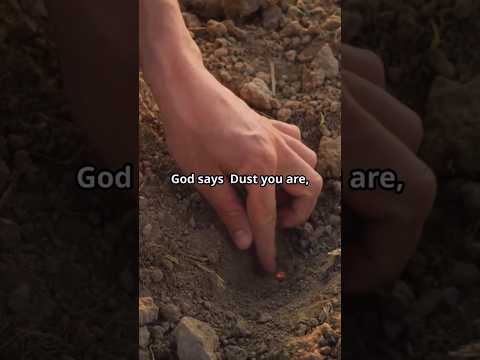
    “Dust” in the Hebrew text is afar — the same dust from which God formed Adam in Genesis 2:7. It’s a poetic reversal: the breath of life given by God now returns to the ground. But this isn’t only a declaration of death. It’s a reminder of origin. Of humility. Of dependence.

    We are dust — fragile, fleeting, formed from the earth. And yet, infused with divine breath. Genesis 3:19 holds this tension: you are mortal, but you were meant for more.

    Mortality Is Not the Enemy

    Modern life often avoids the reality of death. We distract ourselves, numb ourselves, or hide behind comfort. But scripture does the opposite — it brings us face to face with mortality, not to depress us, but to awaken us.

    In Genesis 3:17–19, God reminds Adam (and all of us): your time is limited. Life is toil. Earth is no longer paradise. But mortality is also an invitation — to live aware, to live wisely, to live well.

    Rather than fear death, the Bible encourages us to number our days (Psalm 90:12), to remember that we are dust (Ecclesiastes 3:20), and to find meaning within our finitude. The phrase “dust you are” invites humility, reflection, and spiritual depth.

    The Curse… or the Call?

    Many read Genesis 3 as the “curse” passage — the punishment for the fall. And while consequences are certainly present, notice this: God never curses Adam or Eve directly. The ground is cursed. Pain increases. Work becomes laborious. But the words spoken to the humans are less about wrath and more about reality.

    To say “you are dust” is not to condemn — it’s to clarify.

    This passage doesn’t simply end paradise — it begins the path of redemption. A path where pain births purpose. Where death points us back to the Giver of life. Where our dusty origins become sacred reminders that every breath is grace. When God says “dust you are,” He’s not diminishing us — He’s grounding us.

    From Dust to Depth: A Spiritual Reflection

    Think of it this way: dust is easily scattered, but also holds the nutrients for new life. The ground is hard, but from it grows every tree, every flower, every field of wheat.

    The same is true of our lives. When we accept our mortality — when we live with the awareness that we are dust — we become more present. More grateful. More focused on what really matters.

    Genesis 3:17–19 isn’t just about death. It’s about anchoring life in eternal truth.

    You are not your achievements.
    You are not your possessions.
    You are dust… and breath… and beloved.

    Dust You Are – A Deep Look at Genesis 3:17–19 and Mortality.
    Dust You Are – A Deep Look at Genesis 3:17–19 and Mortality.

    A Thread Through Scripture

    Throughout the Bible, the theme of dust returns again and again — from Job sitting in ashes, to Jesus writing in the dust with His finger. Dust is where grief happens. Where healing begins. Where God meets the humble.

    At HolyThreadProject, we believe verses like Genesis 3:17–19 aren’t meant to scare us — they’re meant to sober us. To awaken us. To thread divine truth into daily life.

    P.S. If this reflection grounded you in something deeper, subscribe to HolyThreadProject on YouTube for weekly scripture shorts that uncover life-changing truths in the Word.

    #Genesis31719 #DustYouAre #HolyThreadProject #BibleReflection #FromDustToDust #SpiritualGrowth #BiblicalWisdom #FaithAndMortality #ChristianTeachings #ScriptureStudy

  • Pain & Desire in Genesis 3:16 – A Deep Biblical Reflection.

    Pain & Desire | Genesis 3:16 Explained – A Deep Biblical Reflection on Consequence.
    Pain & Desire in Genesis 3:16 – A Deep Biblical Reflection.

    Pain & Desire in Genesis 3:16 – A Deep Biblical Reflection

    When we think of Genesis 3:16, many of us recall a passage that feels weighty and difficult:

    “I will make your pains in childbearing very severe; with painful labor you will give birth to children. Your desire will be for your husband, and he will rule over you.”

    At first glance, it reads like a curse — punishment handed down after the fall. But what if this verse, often seen through a lens of judgment, is also a mirror? What if pain & desire are not merely consequences… but invitations to deeper awareness?

    The Language of Pain

    Pain in childbirth is the most literal interpretation of this verse. But in a broader sense, this speaks to the pain woven into creation, relationship, and transformation. Pain often marks the beginning of something new — not just physically, but spiritually.

    Throughout scripture, pain is not always portrayed as punishment. In fact, it’s often the beginning of purpose. From Jacob’s limp to Paul’s thorn, pain refines and redirects. Genesis 3:16 may be the first instance where we see pain tied to purpose — a laboring not just of the body, but of the soul.

    What Desire Reveals

    The second half of the verse — “your desire will be for your husband” — has sparked centuries of theological debate. Some view this as hierarchy, others as emotional dependency, and still others as a reflection of broken intimacy. But in Hebrew, the word used for “desire” (teshuqah) appears only three times in the Bible, and each time, it speaks of intense longing.

    Desire, like pain, is not inherently sinful. It’s directional. It exposes what the heart reaches for. In the case of Genesis 3:16, desire for the other may reflect a longing for unity that has now been fractured. It’s a symptom of the disconnection brought by the fall — and a signal pointing toward redemption.

    More Than Just a Curse

    Genesis 3:16 is often labeled part of “the curse,” but look closer: God never directly curses the man or woman. The serpent and the ground are cursed — not humanity. What happens to Adam and Eve is consequence, yes, but it’s also context. Pain & desire become the canvas upon which human life, struggle, and redemption unfold.

    This verse doesn’t close the door on God’s love — it reveals the cost of free will and the complexity of relationships. It’s not just about Eve. It’s about all of us. We live in a world of pain and desire, constantly navigating how to hold both without losing our spiritual center.

    Pain & Desire in Our Own Lives

    Think about your own journey: What have your greatest pains taught you? What do your strongest desires say about your soul?

    Maybe you’ve longed for connection, purpose, or healing — and that desire felt overwhelming. Or maybe pain brought you to your knees but also brought you back to God.

    Genesis 3:16 isn’t meant to condemn. It’s meant to illuminate. Pain and desire are both part of the human story — and both can lead us closer to the Divine.

    Holy Threads in Scripture

    At HolyThreadProject, we believe that scripture isn’t just to be read — it’s to be wrestled with. Genesis 3:16 is one of those verses that invites us into deeper reflection. It’s not a verse to ignore or gloss over. It’s one that threads its way through all of life’s questions: Why do we suffer? Why do we long? Where is God in all of this?

    The beauty of scripture is that it doesn’t offer simple answers — it invites us into sacred dialogue.

    Pain & Desire in Genesis 3:16 – A Deep Biblical Reflection
    Pain & Desire in Genesis 3:16 – A Deep Biblical Reflection

    P.S. If this reflection moved you, consider subscribing to HolyThreadProject on YouTube for weekly scripture shorts and deeper dives into the threads that tie scripture to our lives.

    #Genesis316 #BibleWisdom #HolyThreadProject #SpiritualGrowth #FaithReflection #DesireInTheBible #BiblicalInsight #ChristianLifeLessons #ScriptureStudy #PainAndDesire