Tag: Bible Study Genesis

  • Genesis 47—Jacob and His Family Settle in Goshen.

    Genesis 47 Explained: Jacob and His Family Settle Peacefully in Goshen.
    Genesis 47—Jacob and His Family Settle in Goshen.

    Genesis 47—Jacob and His Family Settle in Goshen.

    The book of Genesis is filled with powerful stories that show God’s faithfulness, provision, and guidance. In Genesis 47, we witness a turning point for Jacob and his family as they transition from famine and uncertainty into security and blessing. This chapter tells the story of Joseph welcoming his father and brothers to Egypt, where they are given the fertile land of Goshen. Far more than a historical detail, this moment captures how God works through human events to bring about His divine purposes.

    The Journey to Goshen

    The backdrop of Genesis 47 is a world gripped by famine. Jacob and his sons had no choice but to travel to Egypt, where Joseph, once sold into slavery, had risen to power as Pharaoh’s trusted leader. Their journey was not just about survival but about fulfilling God’s plan for His people. The land of Goshen became a place of safety and provision, demonstrating that God can transform hardship into blessing.

    Pharaoh’s Welcome

    One of the most striking aspects of Genesis 47 is Pharaoh’s generosity. Despite being foreigners, Jacob’s family was offered some of the best land in Egypt. This act of kindness reminds us that God can move the hearts of rulers and leaders to fulfill His will. For Jacob’s family, Goshen was not simply a settlement—it was evidence of divine favor and provision.

    Lessons from Genesis 47

    This chapter is more than an ancient narrative; it offers timeless wisdom for today.

    1. God Provides in Hardship

    The famine was severe, yet God opened a way through Joseph’s position in Egypt. Genesis 47 illustrates that even in our darkest times, God’s provision is never unreachable.

    2. Faith Brings Stability

    Jacob trusted in God’s promises, and his faith was rewarded with safety for his family. In the same way, we can find peace and direction by holding on to God’s Word during uncertain times.

    3. Blessing Beyond Borders

    Although Jacob’s family lived in a foreign land, they prospered because God’s blessing knows no boundaries. This reminds believers today that God’s presence is not tied to location but to His covenant and faithfulness.

    Why Genesis 47 Still Matters

    For modern readers, Genesis 47 is a call to trust in God’s guidance. Life often brings seasons of scarcity, fear, or change. Yet just as God turned a famine into a season of blessing for Jacob’s family, He continues to provide and guide us through life’s challenges. The story shows that our true security does not come from circumstances but from God’s hand at work.

    Applying the Lessons Today

    • Trust God’s provision when resources feel scarce.
    • Live with faith that God’s promises extend beyond your present struggles.
    • Recognize divine favor even in unexpected places, just as Jacob’s family thrived in Goshen.

    Conclusion

    The story of Genesis 47 closes a significant chapter in the book of Genesis and sets the stage for Israel’s growth as a nation in Egypt. It is more than a record of history—it is a testimony of God’s faithfulness. By reflecting on Jacob’s journey and Joseph’s role in welcoming his family, we are reminded that God always provides, even in times of great difficulty. For those who trust Him, every season of famine can lead to a place of abundance and peace.

    Genesis 47—Jacob and His Family Settle in Goshen.
    Genesis 47—Jacob and His Family Settle in Goshen.

    P.S. If this reflection encouraged you, don’t miss future posts and videos. 🌿 Subscribe to HolyThreadProject on YouTube and stay connected as we continue exploring the timeless wisdom of Scripture. 🙏

    #Genesis47 #BibleStories #FaithAndProvision #HolyThreadProject #BibleLessons #BiblicalWisdom

  • The Fall of Noah: A Warning from Genesis 9:18–29.

    The Fall of Noah: A Warning from Genesis 9:18–29 | When Righteousness Falters.
    The Fall of Noah: A Warning from Genesis 9:18–29.

    The Fall of Noah: A Warning from Genesis 9:18–29.

    In the book of Genesis, we often focus on Noah as a righteous man—the one chosen by God to survive the flood, to build the ark, and to carry life forward into a new world. But what comes after the flood is just as important, and in many ways, more human.
    Genesis 9:18–29 reveals a lesser-known moment in Noah’s life—a personal failure, a moral fall. And with it, a powerful warning.

    Noah’s Vineyard and His Vulnerability

    After the waters recede and the covenant is made, Noah begins a new chapter. He becomes a man of the soil and plants a vineyard. But from this vineyard comes wine, and from the wine—Noah becomes drunk. He lies uncovered in his tent, exposed in both body and dignity.

    It’s a moment of weakness. A deeply human moment.

    Noah, the man who obeyed God in the face of a mocking world, now lies in shame, alone and vulnerable. This scene might seem shocking at first, but it’s a reminder:
    even the righteous can fall.
    Even those chosen and favored by God are not immune to sin, error, or misjudgment.

    The Sons’ Reactions: A Mirror for Us

    The text highlights the response of Noah’s three sons: Ham, Shem, and Japheth.

    Ham sees his father’s nakedness and mocks it—he goes and tells his brothers. It’s a response of disrespect, perhaps even pride. Rather than covering his father, he exposes him further.

    Shem and Japheth, on the other hand, walk into the tent backward. They cover their father without even looking. Their actions are full of honor, humility, and grace.

    And this is the heart of the story:
    Noah’s fall is not the only test—the true test lies in how others respond to his failure.

    A Warning and a Wisdom Thread

    This passage is not merely about drunkenness or shame. It’s a spiritual parable—a mirror for how we deal with the failures of others. When someone in our life falls short, do we expose them, talk about them, or mock them? Or do we cover them, protect their dignity, and extend grace?

    Genesis 9:18–29 reminds us that failure doesn’t define a person, but our reaction to failure reveals our heart. Whether in family, church, community, or friendships, we are constantly given the choice to curse or cover, to gossip or to guard.

    The curse that follows Ham’s action and the blessing that follows Shem and Japheth’s speaks to a broader biblical theme:
    God honors those who honor others, even in their brokenness.

    Why This Story Still Matters

    In today’s world, where people are quick to judge, cancel, or shame, Noah’s story is more relevant than ever. Social media thrives on exposure—on magnifying mistakes. But the kingdom of God operates differently. It seeks restoration, not ridicule. Redemption, not spectacle.

    Whether you’re the one who has fallen or the one watching someone else stumble, Genesis offers this warning and encouragement:
    Handle failure with humility. Offer grace freely. Protect what’s sacred in others.

    Final Thoughts: The Threads of Grace

    At HolyThreadProject, we believe these ancient stories are more than history. They’re threads of divine truth meant to be woven into our daily lives.

    The fall of Noah is not the end of his story—and neither is yours.
    Let it remind you to walk in grace, speak with mercy, and respond to failure with the same love God extends to you.


    May we learn not only to stand in righteousness, but also to kneel in compassion. 🙏

    The Fall of Noah: A Warning from Genesis 9:18–29.
    The Fall of Noah: A Warning from Genesis 9:18–29.

    P.S. If this reflection stirred something in you, consider subscribing to HolyThreadProject on YouTube for more quiet truths, scripture threads, and soul-centered wisdom each week. 🙏

    #HolyThreadProject #Genesis9 #FallOfNoah #BibleWisdom #FaithReflection #SpiritualGrowth #ScriptureMeditation #GraceAndTruth #RighteousFall #CoverNotCurse #BiblicalLessons #DailyFaith #CompassionInFailure #NoahStory #FaithJourney

  • The Great Flood Rises – Genesis 7:10–24 Explained.

    The Great Flood Rises—Genesis 7:10–24 Explained | Waters of Judgment and Grace.
    The Great Flood Rises – Genesis 7:10–24 Explained.

    The Great Flood Rises – Genesis 7:10–24 Explained.

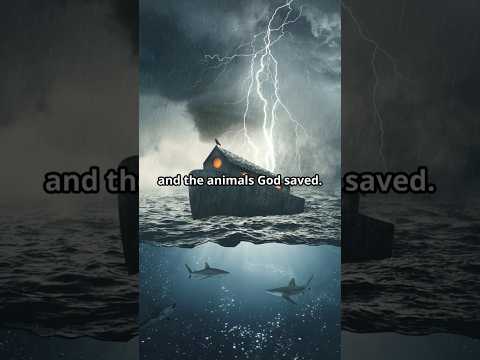
    In Genesis 7:10–24, the story of Noah and the Great Flood reaches its most dramatic moment: the rain begins to fall, and the waters of judgment rise.

    After seven days of waiting—just as God said—the floodgates of the heavens opened, and the fountains of the deep burst forth. Rain fell for 40 days and 40 nights, covering the earth completely. Mountains vanished beneath the waves. Every living thing not aboard the ark was wiped out.

    This passage marks one of the most sobering scenes in the Old Testament, and one of the clearest displays of divine justice and mercy woven together.


    Obedience in the Waiting

    It’s important to note that Noah had already built the ark when this moment came. He followed God’s instructions precisely—even when others mocked him or failed to understand.

    Genesis 7:10 says, “And after seven days the waters of the flood came upon the earth.” That pause—those seven days—invite reflection. What was going through Noah’s mind? Faith isn’t just about building; it’s also about waiting in trust.


    The Great Flood as Judgment and Renewal

    While the Genesis Flood is often taught as a story of judgment, it’s also a story of reset and renewal. The earth had become corrupt and filled with violence (Genesis 6:11), and God responded not out of rage, but out of justice and sorrow.

    By preserving Noah, his family, and the animals, God ensured that life would continue—but it would start over on new ground, under a renewed covenant.


    What Does This Mean for Us Today?

    In our world, there may not be a literal flood rising, but the metaphor holds deep meaning. We face cultural floods, emotional floods, spiritual floods—overwhelming seasons where only trust in God’s guidance keeps us grounded.

    Noah didn’t wait to build when the rain started—he prepared in faith before it came. That’s the key takeaway. Are we building lives of faith now, even when everything feels calm? Are we listening to God’s voice before the pressure comes?


    The Ark: A Symbol of Salvation

    The ark isn’t just a wooden boat—it’s a symbol of God’s mercy and protection. Just as Noah and his family were saved through the ark, we are offered salvation today through Christ.

    The flood may have wiped out corruption, but the ark preserved purpose. It sheltered life, hope, and promise. In a world flooded with uncertainty, the message of Genesis 7:10–24 is simple: Stay close to what God is building.


    HolyThreadProject: Weaving Scripture into Everyday Life

    This short is part of the growing HolyThreadProject—where we unpack Scripture, one passage at a time, to uncover timeless truths that still speak today.

    We believe the Bible isn’t just history—it’s a living word. And this passage from Genesis reminds us that judgment is real, yes, but so are mercy, protection, and divine order.

    Whether you’re studying the Bible, exploring Christianity, or seeking encouragement, we’re here to help connect the threads.


    Final Thoughts

    Genesis 7:10–24 isn’t just about water—it’s about obedience, timing, and trust. It reminds us to build our lives in alignment with God, not the world. It calls us to take God’s word seriously, even when we don’t fully understand the timing.

    The question isn’t just, “Would you enter the ark?”
    It’s also, “Are you building one now?”

    The Great Flood Rises – Genesis 7:10–24 Explained.
    The Great Flood Rises – Genesis 7:10–24 Explained.

    🙏 Watch the short above. Reflect. Share. And don’t forget to subscribe to HolyThreadProject on YouTube for more Scripture-based insights.

    P.S. The great flood wasn’t just about water—it was about renewal, obedience, and trusting God when the skies grow dark.

    #GenesisFlood #BibleStudy #HolyThreadProject #SpiritualGrowth #NoahsArk #BibleExplained #FaithContent