Tag: biblical faith lessons

  • 1 Samuel 19: When Saul Pursues God Protects His Chosen One.

    1 Samuel 19: When Saul Pursues God Protects His Chosen One.
    1 Samuel 19: When Saul Pursues God Protects His Chosen One.

    1 Samuel 19: When Saul Pursues God Protects His Chosen One.

    The story in 1 Samuel 19 captures one of the most intense turning points in David’s early life. What begins as tension inside the royal court quickly becomes a life-or-death pursuit. David, once celebrated as a hero of Israel, suddenly becomes the target of King Saul’s growing jealousy and fear. This chapter reveals not only human conflict but also the powerful reality of divine protection working behind the scenes.

    Many readers return to 1 Samuel 19 because it reflects experiences that feel deeply familiar today. People face opposition, misunderstanding, and seasons where circumstances seem unfair or dangerous. Yet this passage reminds believers that God’s purposes are never threatened by human plans.

    The Rising Conflict Between Saul and David

    By the time we reach 1 Samuel 19, Saul’s inner struggle has reached a breaking point. His jealousy toward David is no longer hidden. Instead of celebrating David’s victories for Israel, Saul allows insecurity to shape his decisions. Fear transforms admiration into hostility, showing how unchecked emotions can lead to destructive actions.

    In 1 Samuel 19, Saul openly commands his servants and even his son Jonathan to kill David. This moment exposes how far Saul has drifted from trusting God. Leadership rooted in fear often produces chaos, and the royal court becomes a place of danger rather than safety.

    Jonathan, however, becomes a powerful contrast. His loyalty to David demonstrates righteousness and wisdom. He speaks truth to his father, reminding Saul of David’s faithfulness and innocence. For a brief moment, peace seems possible, illustrating how courageous words can delay conflict even when hearts remain unchanged.

    Loyalty, Friendship, and Courage Under Pressure

    One of the most meaningful themes in 1 Samuel 19 is loyalty during crisis. Jonathan risks his own standing to protect David, showing that true friendship involves sacrifice. Biblical friendship is not passive; it actively seeks justice and protection for others.

    David’s response also teaches an important lesson. Rather than seeking revenge or rebellion, he continues to act with humility. Even while being hunted, David refuses to harm Saul or seize power prematurely. This restraint highlights spiritual maturity and trust in God’s timing.

    Readers often see their own struggles reflected here. Waiting for God’s promises while facing hardship can feel exhausting. Yet the patience displayed in 1 Samuel 19 encourages believers to rely on faith rather than force outcomes through fear or anger.

    God’s Protection in Unexpected Ways

    A remarkable aspect of 1 Samuel 19 is how protection appears through ordinary circumstances. Warnings from friends, moments of escape, and sudden changes in events all contribute to David’s survival. None of these moments appear dramatic on their own, yet together they reveal divine guidance.

    The chapter shows that God’s protection is not always loud or supernatural in appearance. Sometimes it works quietly through people, timing, and opportunity. In 1 Samuel 19, every attempt to capture David ultimately fails, reinforcing the message that God’s chosen purpose cannot be stopped.

    This idea resonates strongly with modern believers. Many recognize God’s help only after looking back and seeing how events aligned perfectly. Faith often grows through recognizing these subtle forms of protection.

    Spiritual Lessons About Fear and Trust

    Fear plays a central role throughout 1 Samuel 19. Saul is driven by fear of losing power, while David faces fear for his life. The difference lies in how each responds. Saul acts impulsively and destructively, while David turns toward trust and endurance.

    The contrast teaches a timeless spiritual principle: fear can either push a person away from God or draw them closer to Him. In 1 Samuel 19, David’s dependence on God strengthens his character, preparing him for future leadership.

    Believers today often encounter similar choices. Difficult seasons can become opportunities for growth when trust replaces anxiety. The chapter reminds readers that God’s presence remains constant even when circumstances feel unstable.

    Preparation Before the Promise

    Another important theme revealed in 1 Samuel 19 is preparation. David has already been anointed as future king, yet he does not immediately step into that role. Instead, he experiences trials that shape humility, wisdom, and perseverance.

    This waiting period reflects a broader biblical pattern. God frequently prepares individuals through hardship before fulfilling His promises. Challenges refine character and deepen reliance on Him. The struggles seen in 1 Samuel 19 are not signs of abandonment but evidence of preparation.

    For many readers, this perspective brings encouragement. Delays and difficulties may serve a greater purpose than is immediately visible.

    Applying the Message Today

    The message of 1 Samuel 19 remains deeply relevant. Modern life includes pressures, conflicts, and uncertainties that can mirror David’s experience. People may feel pursued by stress, expectations, or fear about the future. This chapter invites believers to remember that God’s protection is active even when unseen.

    Applying these lessons means choosing integrity during conflict, trusting God’s timing, and recognizing help when it appears in unexpected ways. Faith does not eliminate challenges, but it changes how they are faced.

    When readers reflect on 1 Samuel 19, they often discover reassurance that God remains present during seasons of instability. His plans continue moving forward even when circumstances appear uncertain.

    Conclusion: Trusting God in Times of Pursuit

    The enduring power of 1 Samuel 19 lies in its reminder that God’s purposes prevail over human fear. David’s survival is not the result of luck or cleverness alone but evidence of divine faithfulness guiding every step.

    This chapter encourages believers to trust God during moments of pressure, opposition, and waiting. Just as David was protected and prepared, readers today can find hope knowing that God works through every season for a greater purpose. Faith grows strongest when trust replaces fear, and the story continues to inspire those seeking courage and reassurance in their own journeys.

    1 Samuel 19: When Saul Pursues God Protects His Chosen One.
    1 Samuel 19: When Saul Pursues God Protects His Chosen One.

    P.S. If this reflection encouraged you, subscribe to HolyThreadProject on YouTube for short, powerful Bible chapters and daily Scripture inspiration designed to strengthen your faith and deepen your understanding of God’s Word.

    #HolyThreadProject #BibleStudy #ChristianFaith #BibleTeaching #ScriptureReflection #FaithJourney #OldTestament #LifeOfDavid #DailyDevotion #BibleInspiration

  • Numbers 13 | Faith vs Fear at the Edge of the Promised Land.

    Numbers 13 | Faith vs. Fear at the Edge of the Promised Land and the Choice to Trust God.
    Numbers 13 | Faith vs. Fear at the Edge of the Promised Land.

    Numbers 13 | Faith vs. Fear at the Edge of the Promised Land.

    There are moments in life when we stand right at the edge of something great, but doubt whispers louder than faith. Numbers 13 captures one of the most dramatic moments in Scripture—the people of Israel reaching the land God promised, yet hesitating because what they saw seemed bigger than what they believed. This chapter isn’t just ancient history; it’s a mirror to the human heart today.

    What Happens in Numbers 13

    In Numbers 13, Moses sends twelve leaders, one from each tribe, to explore the land of Canaan. Their mission is simple—see the land, its fruit, its people, and return with a report. They discover exactly what God described: a land flowing with milk and honey. They even bring back a massive cluster of grapes to prove its abundance. But then fear enters the story. They also see fortified cities and giants, descendants of Anak. Ten of the spies focus on the danger. Two, Joshua and Caleb, focus on the promise.

    The Conflict: Faith vs Fear

    This is where Numbers 13 becomes personal. Ten spies say, “We can’t do it.” They see giants and feel small, describing themselves as grasshoppers. Their fear spreads to the people like wildfire. Joshua and Caleb, however, stand firm. Their message is simple yet powerful—God is with us; do not be afraid. The story teaches that the real battle is not against giants, but against the fear within our hearts.

    Why This Story Matters Today

    The timeless message of Numbers 13 speaks into modern life. We all face “giants”—fear of failure, rejection, sickness, financial struggle, or uncertainty about the future. We also stand at the edge of promises—dreams God placed in our hearts, opportunities for growth, healing, or purpose. The question remains: will we step forward in faith, or step back because of fear?

    Lessons We Can Learn

    1. The Promise is Real, But So is the Opposition
      God never said the land would be empty. He said it would be theirs. Faith doesn’t ignore reality; it believes God is greater than it.
    2. Majority Opinion Is Not Always God’s Truth
      In Numbers 13, ten said “impossible,” while two said “God is able.” Truth is not measured by how many people agree with it.
    3. Identity Shapes Perspective
      The ten spies saw themselves as grasshoppers. Joshua and Caleb saw themselves as children of God. How we see ourselves affects how we face battles.
    4. Fear Spreads, But So Does Faith
      Words have power. Fear discouraged a nation; faith could have led them forward.

    How to Apply the Message to Your Life

    • Write down your giants—name the fears holding you back.
    • Speak God’s promises over them instead of your doubts.
    • Surround yourself with faith-filled voices, like Joshua and Caleb.
    • Take one step forward, even if the path isn’t clear. Faith doesn’t require full understanding, just trust.

    Spiritual Reflection

    Numbers 13 reminds us that God’s promises often stand on the other side of discomfort. The Israelites were close—closer than they realized. Yet what they saw overshadowed what God said. Many times in life, we pray for an open door but freeze when we’re standing in front of it. This chapter challenges us: do we trust what we see, or the One who sees everything?

    Final Thought

    The story found in Numbers 13 is not just about ancient Israel. It is about us—standing at the edge of our promise, hearing the voices of fear and faith within. Some voices say “there are giants,” while others whisper, “God is greater.” The choice remains ours. Will we step back or step forward?

    Faith doesn’t deny the size of the giants—it declares the greatness of God.

    Numbers 13 | Faith vs. Fear at the Edge of the Promised Land.
    Numbers 13 | Faith vs. Fear at the Edge of the Promised Land.

    P.S. If this message encouraged your faith, consider subscribing to HolyThreadProject on YouTube for more biblical wisdom, spiritual insight, and daily reminders to walk by faith, not fear.

    #HolyThreadProject #Numbers13 #FaithOverFear #BibleStudy

  • The Test of Abraham: Faith and Obedience in Genesis 22.

    The Test of Abraham — Faith, Obedience, and God’s Provision in Genesis 22 Explained.
    The Test of Abraham: Faith and Obedience in Genesis 22.

    The Test of Abraham: Faith and Obedience in Genesis 22.

    Few biblical stories strike the heart as powerfully as the test of Abraham found in Genesis 22. It’s a narrative that challenges our modern sensibilities and calls into question our deepest assumptions about faith, obedience, and God’s character.

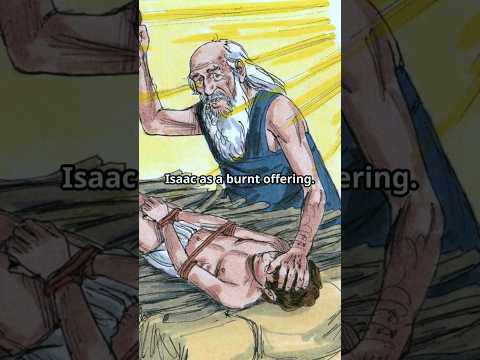
    In this story, Abraham—already tested throughout his life—is called once more to step into the unknown. God commands him to offer his son Isaac, the child of promise, as a burnt offering. The test is stark. The silence from heaven is deafening. And yet, Abraham responds not with argument or delay, but with obedience.

    More Than Just a Test

    The test of Abraham is more than a moment of personal trial. It marks a turning point in the biblical story, highlighting the interplay between divine sovereignty and human responsibility. Abraham had waited decades for Isaac, the son God promised would carry on the covenant. Now, that very promise seemed on the brink of destruction.

    This wasn’t about blind submission. The real focus of the story lies in faith under pressure—faith that trusts beyond logic. Abraham’s willingness to follow through was not rooted in fear but in the belief that somehow, God would provide.

    And God does. At the very last moment, a ram appears, caught in a thicket. Isaac is spared. The covenant continues. And the mountain becomes a place not of sacrifice, but of provision and revelation.

    God as Provider

    The test of Abraham reveals something profound about God. He is not a distant deity demanding cruel obedience. He is present in the trial and ultimately shows Himself to be a provider. This moment foreshadows countless other moments throughout Scripture where God steps in—not to destroy, but to save.

    For readers of faith, this story challenges us to examine our hearts: Where do we draw the line with trust? Do we follow only when the path makes sense, or even when it doesn’t? Do we offer God everything—or only what’s convenient?

    The test was never about Isaac. It was about Abraham’s heart. And by extension, it invites us to consider the condition of our own.

    Faith That Walks

    One of the most striking elements of the story is its quiet simplicity. Abraham wakes early, gathers what he needs, and walks toward the unknown. There’s no recorded protest, no theological debate—just action. This is a different kind of faith. It’s not loud or flashy. It walks.

    The test of Abraham reminds us that faith isn’t just belief—it’s movement. It’s saying yes to God before the outcome is clear. It’s putting the promise back into God’s hands, trusting that He’s capable of fulfilling it in His own way.

    A Story That Still Speaks

    Though this event occurred thousands of years ago, its implications are timeless. We all face tests—moments when our faith is stretched beyond comfort. Whether it’s in relationships, health, finances, or purpose, we reach points where obedience feels costly.

    The test of Abraham gives us a model. Not a blueprint for suffering, but a testimony of trust. It reminds us that God often works in the eleventh hour—not to torment us, but to reveal something deeper about Himself and about us.

    Final Thoughts

    The test of Abraham is not just a story about one man and his son. It’s about the God who walks with us through fear and uncertainty. It’s about trust that outweighs understanding. It’s about surrender that leads not to loss, but to life.

    In our own spiritual journey, we are each called to moments of deep trust. And when we, like Abraham, walk forward in faith—especially when the path is unclear—we open ourselves to divine provision we couldn’t have predicted.

    The Test of Abraham: Faith and Obedience in Genesis 22.
    The Test of Abraham: Faith and Obedience in Genesis 22.

    P.S. If this story gave you a fresh lens on faith, obedience, or provision, subscribe to Holy Thread Project on YouTube for more short-form biblical insights that speak to real life.

    #TestOfAbraham #Genesis22 #HolyThreadProject #BiblicalFaith #GodProvides #FaithAndObedience