Tag: Exodus Bible study

  • Exodus 40 | Tabernacle Completion and God’s Glory Revealed.

    Exodus 40 Explained | The Completion of the Tabernacle and God’s Glory Revealed.
    Exodus 40 | Tabernacle Completion and God’s Glory Revealed.

    Exodus 40 | Tabernacle Completion and God’s Glory Revealed.

    The final chapter of Exodus is a breathtaking conclusion to one of the most important books in the Bible. After chapters of instructions, construction, and devotion, the people of Israel witness the moment they have been waiting for. In Exodus 40, the Tabernacle is completed, and the glory of God fills it. This moment is not only about a tent in the wilderness—it is about God’s desire to dwell with His people, guide them, and reveal His holiness.

    The Completion of the Tabernacle

    The Tabernacle was more than a sacred tent; it was the very meeting place between God and His people. Every piece of furniture, every curtain, and every vessel had been created exactly as God commanded. In Exodus 40, Moses sets up the Ark of the Covenant, places the altar, lights the lampstand, and anoints everything with oil. The people followed God’s instructions with precision, demonstrating obedience as an act of worship. The completion of the Tabernacle reminds us that details matter when serving God. Obedience is not about perfectionism, but about honoring His Word in both small and large things.

    God’s Glory Descends

    The climax of this chapter is unforgettable. When the work was done, a cloud descended and filled the Tabernacle with the glory of the Lord. In fact, the presence of God was so overwhelming that even Moses could not enter. The narrative in Exodus 40 shows that worship is not just about human effort but about God’s response. The Tabernacle became holy not because of human craftsmanship alone, but because God Himself chose to dwell there. His presence transformed it from a structure into a sanctuary.

    Guidance in the Wilderness

    The glory that filled the Tabernacle was not static. The text explains that the cloud of the Lord remained by day and appeared as fire by night. Whenever the cloud lifted, the people set out; whenever it stayed, they remained in place. This rhythm of waiting and moving highlights God’s role as guide. The Israelites were no longer wandering aimlessly but were being directed daily by His presence. The lesson is timeless: just as God guided Israel in Exodus 40, He continues to guide believers today when we wait on Him.

    Theological Significance

    The events of this chapter are not isolated. The Tabernacle foreshadows Christ, who came to dwell—or “tabernacle”—among us. Just as God’s glory filled the tent, His Spirit now fills those who believe in Him. In this way, Exodus 40 points forward to the greater story of redemption, where God’s desire is not distance but closeness. The completion of the Tabernacle and the filling of God’s glory both affirm His covenant promise: He will be with His people.

    Lessons for Today

    This passage carries lasting relevance. Several lessons emerge:

    • Obedience matters: Israel’s careful following of God’s commands teaches us that true worship involves submission to His Word.
    • God’s presence transforms: The Tabernacle became holy only when God’s glory filled it. Likewise, our lives are transformed when filled with His Spirit.
    • Guidance is ongoing: The cloud and fire were daily reminders that God leads step by step. He is still faithful to guide us today.
    • Holiness is central: God’s glory was overwhelming, reminding Israel that He is holy. Yet, He chooses to dwell with His people anyway.

    Conclusion

    The closing of Exodus is not just the end of a book—it is the beginning of Israel’s journey with God at the center. In Exodus 40, the Tabernacle is completed, God’s glory descends, and His people experience His presence in a tangible way. For modern readers, this chapter is an invitation to obedience, worship, and trust. The same God who filled the Tabernacle continues to dwell with His people today. His glory, His presence, and His guidance remain the foundation of faith.

    Exodus 40 | Tabernacle Completion and God’s Glory Revealed.
    Exodus 40 | Tabernacle Completion and God’s Glory Revealed.

    P.S. If this reflection on Exodus 40 encouraged you, make sure to subscribe to HolyThreadProject on YouTube for more Bible studies, chapter breakdowns, and faith-building content each week.

    #Exodus40 #BibleStudy #GodsGlory #Tabernacle #BibleExplained #HolyThreadProject

  • Exodus 28: Sacred Garments of the Priesthood and Holiness.

    Exodus 28 Explained | Sacred Priestly Garments and the Call to Holiness.
    Exodus 28: Sacred Garments of the Priesthood and Holiness.

    Exodus 28: Sacred Garments of the Priesthood and Holiness.

    The book of Exodus is filled with detailed instructions that reveal how God desired His people to worship and live in holiness. Among these chapters, Exodus 28 stands out because it focuses entirely on the garments of the priesthood. While it may appear like a list of clothing details, the chapter carries deep symbolic meaning. Every thread, jewel, and engraving had a purpose that pointed Israel back to God’s presence and the holiness required to approach Him.

    The Purpose of the Priestly Garments

    The priestly garments described in Exodus 28 were not mere fashion or decoration. They were designed to set apart the high priest and the priests who served in the tabernacle. The ephod, crafted from blue, purple, and scarlet yarn interwoven with gold, spoke of both royalty and divine glory. The breastpiece, adorned with twelve precious stones, represented the twelve tribes of Israel, reminding the priest that he carried the people before God’s presence.

    The golden plate engraved with “Holy to the Lord” was placed on the high priest’s forehead. This detail symbolized purity of mind and the sacred calling of those who ministered before God.

    Symbolism and Meaning

    Exodus 28 teaches us that God values order, symbolism, and reverence in worship. The garments were physical reminders that the priests served as mediators between God and His people. Each element carried a spiritual truth:

    • Colors of the fabric signified royalty, sacrifice, and heavenly authority.
    • Precious stones showed God’s care for every tribe and individual.
    • Gold plate declared that holiness must define those who stand before the Lord.

    The garments were a visible sermon about God’s holiness and Israel’s need for purity.

    Lessons for Today

    Though we no longer wear ephods or jeweled breastpieces, the message of Exodus 28 remains relevant. God still calls His people to holiness. Just as the priests were set apart, believers today are called to live lives that reflect God’s character.

    Practical lessons include:

    1. Holiness matters – Our words, thoughts, and actions should be offered with reverence, just as the garments honored God’s presence.
    2. Identity in God – The twelve stones remind us that God sees each person and values every community within His people.
    3. Visible faith – The golden plate teaches that our faith is not hidden. Like the high priest’s inscription, our lives should publicly reflect our devotion to God.

    Exodus 28 and Christian Faith

    For Christians, the priestly garments foreshadow the greater priesthood of Christ. Jesus, the true High Priest, did not need garments of gold and jewels, yet He embodied holiness perfectly. Where Israel’s priests required outward symbols, Christ fulfills the role in His very being. Reading Exodus 28 invites us to reflect on how symbols point to deeper realities that are fulfilled in the gospel.

    Conclusion

    At first glance, Exodus 28 may seem like a technical chapter of fabric and jewels, but beneath the details lies a powerful message. God is holy, and those who serve Him are called to reflect that holiness. The garments of the priesthood reminded Israel of their identity, their calling, and their need for purity before the Lord.

    Today, we carry that same calling—not with ephods or breastpieces, but with lives marked by integrity, reverence, and devotion. Just as the priestly garments declared “Holy to the Lord,” so too should our hearts and actions proclaim that we belong to Him.

    Exodus 28: Sacred Garments of the Priesthood and Holiness.
    Exodus 28: Sacred Garments of the Priesthood and Holiness.

    PS: If this reflection encouraged you, don’t miss future insights—subscribe to HolyThreadProject on YouTube and stay rooted in God’s Word. 🙏

    #PriestlyGarments #HolyThreadProject #BibleStudy #OldTestament #BiblicalSymbolism #Holiness

  • Exodus 7: First Plagues of Egypt | Bible Story Short.

    Exodus 7: The First Plagues of Egypt | Moses Before Pharaoh | Bible Story Short.
    Exodus 7: First Plagues of Egypt | Bible Story Short.

    Exodus 7: First Plagues of Egypt | Bible Story Short.

    The book of Exodus is one of the most powerful narratives in the Bible, filled with drama, deliverance, and demonstrations of God’s authority. Exodus 7 marks a turning point in the story of Moses and Israel’s struggle for freedom. This chapter introduces the first of the famous plagues that God sends upon Egypt to show His power and to persuade Pharaoh to release His people.

    The confrontation between Moses, Aaron, and Pharaoh reveals a deep spiritual conflict: human pride against divine authority. The first plague—the Nile River turned into blood—isn’t just a striking miracle. It’s a direct challenge to Egypt’s false gods and a sign that the Lord rules over creation.

    Moses, Aaron, and Pharaoh’s Hardened Heart

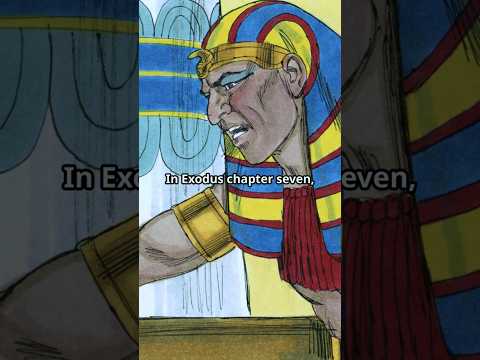
    Before the drama of the plagues begins, God makes it clear to Moses that Pharaoh’s heart will be hardened. This detail in Exodus 7 is important. Pharaoh isn’t simply stubborn; his resistance becomes the stage upon which God will display His greatness.

    Moses and Aaron are commanded to confront Pharaoh with the words: “Let My people go.” Pharaoh, confident in his power and surrounded by advisors, refuses to bow. To demonstrate God’s authority, Aaron casts down his staff, which becomes a serpent before Pharaoh and his court. The magicians of Egypt manage to imitate this sign, but Aaron’s serpent swallows theirs, proving God’s superiority. Despite this, Pharaoh remains unshaken.

    The First Plague: Water Turned to Blood

    The first great judgment in Exodus 7 is the transformation of the Nile River. The Nile was central to Egypt’s identity, economy, and even religion. It brought life to the desert and was revered as sacred. God instructs Moses and Aaron to stretch out the staff over the waters, and instantly the river turns into blood.

    The consequences are devastating. Fish die in the waters, the river emits a terrible stench, and the people of Egypt scramble to find drinkable water by digging along the banks. For seven days the plague continues, leaving Egypt in distress.

    The magicians attempt to reproduce the plague, but they cannot reverse it. Their power, limited and shallow, only proves how great God’s authority truly is. This first act sets the tone for the plagues that follow, each one escalating in power and impact.

    Spiritual Lessons from Exodus 7

    The story of Exodus 7 offers more than history. It contains spiritual truths that remain relevant today.

    • God’s Power is Supreme: Even the mightiest empire on earth cannot resist His hand. Pharaoh’s throne, armies, and priests are powerless before the Lord.
    • False Powers are Limited: The magicians could imitate signs, but they could not bring healing, restoration, or life. Only God could control the outcome.
    • Judgment and Mercy Intertwined: Though the plagues are acts of judgment, they are also opportunities for Pharaoh to humble himself. God’s justice always carries the hope of repentance.

    Why Exodus 7 Matters for Us Today

    Modern readers might wonder how an ancient story of rivers turning to blood applies to life now. The lesson of Exodus 7 is timeless: human pride and resistance lead to ruin, while humility and obedience lead to life. Pharaoh’s defiance left Egypt broken. Our own pride, if left unchecked, can distance us from God’s blessing.

    The chapter also reassures believers that God hears the cries of His people. Just as He moved powerfully to free Israel from slavery, He still moves in our lives today. When circumstances seem impossible, Exodus reminds us that God has the final word.

    Conclusion

    Exodus 7 is more than the start of the plagues; it is the unveiling of God’s sovereignty over nations, rulers, and creation itself. Pharaoh’s hard heart becomes the backdrop for God’s mighty hand to be revealed. The Nile, once Egypt’s pride, becomes the symbol of divine judgment. And through it all, God proves that His authority is unmatched.

    This chapter invites each of us to consider: are we like Pharaoh, resisting God’s voice, or are we willing to yield and experience His deliverance?

    Exodus 7: First Plagues of Egypt | Bible Story Short.
    Exodus 7: First Plagues of Egypt | Bible Story Short.

    P.S. If you enjoyed this breakdown of Exodus 7 and want more powerful Bible story insights, don’t forget to subscribe to the HolyThreadProject on YouTube for weekly scripture shorts!

    #Exodus7 #BibleStory #PlaguesOfEgypt #MosesAndPharaoh #OldTestament #FaithInGod #BibleStudy #HolyThreadProject