Tag: Faith lessons from the Bible

  • Exodus 11: The Plague of Locusts—God’s Power Revealed.

    Exodus 11: The Plague of Locusts and Pharaoh’s Pride | Bible Story Explained.
    Exodus 11: The Plague of Locusts—God’s Power Revealed.

    Exodus 11: The Plague of Locusts—God’s Power Revealed.

    The story of Exodus 11 contains one of the most destructive plagues sent upon Egypt: the plague of locusts. This dramatic event reveals God’s unmatched power and Pharaoh’s continuing refusal to obey. More than just a historical account, this story carries lessons about humility, obedience, and the danger of pride.

    In this post, we will revisit the narrative, reflect on its meaning, and explore how its wisdom remains relevant for us today.

    The Story of the Plague of Locusts

    After a series of earlier plagues, Pharaoh continued to harden his heart and refused to release the Israelites. In response, God sent Moses to warn Pharaoh of an approaching disaster. If Pharaoh did not relent, swarms of locusts would cover the land.

    When Pharaoh ignored the warning, the skies darkened with insects. Locusts invaded every corner of Egypt, devouring crops, fruit trees, and plants. Nothing green remained. What had survived the earlier plagues was now stripped bare. Famine loomed, and the land was left in devastation.

    Shaken, Pharaoh summoned Moses and Aaron. He admitted his sin and asked for the plague to end. Moses prayed, and the locusts were driven away. Yet once again, Pharaoh hardened his heart and broke his promise.

    The account in Exodus 11 shows that even overwhelming disaster could not move Pharaoh to lasting humility.

    Lessons from the Plague of Locusts

    The first lesson is that God’s power extends over nature itself. Locust swarms of this scale are beyond human control, reminding us that creation obeys the Creator.

    The second lesson is the danger of pride. Pharaoh repeatedly ignored God’s word, and his arrogance brought ruin upon his people. The story warns us that pride blinds us to truth and multiplies suffering.

    A third lesson is about obedience. Those who turn to God find protection and wisdom. In contrast, Pharaoh’s stubbornness left Egypt stripped and vulnerable. The Exodus 11 narrative emphasizes that obedience leads to life, while resistance invites loss.

    Relevance for Today

    Though we may not face literal locust swarms, the message of Exodus 11 remains powerful in the modern world. Pride and arrogance can consume blessings just as quickly as insects destroyed Egypt’s harvest. When we ignore wisdom and resist humility, we invite unnecessary struggles.

    In our personal lives, locusts can represent destructive habits, prideful decisions, or unchecked anger. These forces strip away joy, peace, and relationships. Just as Pharaoh’s land was left bare, our lives can be emptied by choices rooted in stubbornness.

    The lesson for today’s believers is clear: trust in God’s guidance. Obedience is not weakness but protection. Humility allows us to grow, while pride leaves us vulnerable.

    Conclusion

    The story of the plague of locusts in Exodus 11 is more than an ancient tale. It is a vivid reminder of God’s power, the danger of hardened hearts, and the blessing of obedience. Pharaoh’s pride brought devastation, but those who listen to God find safety.

    As we reflect on this passage, may we learn from Pharaoh’s mistakes. Let us choose humility over arrogance, obedience over stubbornness, and faith over pride. By doing so, we guard ourselves against the “locusts” that threaten our lives and open the door to peace and protection in God’s care.

    Exodus 11: The Plague of Locusts—God's Power Revealed.
    Exodus 11: The Plague of Locusts—God’s Power Revealed.

    PS: If this reflection on Exodus 11: The Plague of Locusts encouraged you, don’t forget to subscribe to HolyThreadProject on YouTube for more Bible stories and timeless lessons of faith each week.

    #Exodus11 #PlagueOfLocusts #BibleStories #OldTestament #GodsPower #FaithLessons #ScriptureShorts #HolyThreadProject #BiblicalWisdom #BibleShorts

  • Exodus 10: The Plague of Hail – Bible Story & Meaning.

    Exodus 10: The Plague of Hail and Pharaoh’s Defiance | Bible Story Explained.
    Exodus 10: The Plague of Hail – Bible Story & Meaning.

    Exodus 10: The Plague of Hail – Bible Story & Meaning.

    The story of Exodus 10 is one of the most dramatic moments in the Old Testament. Known as the Plague of Hail, this account shows the power of God, the stubbornness of Pharaoh, and the importance of obedience. It is more than an ancient record; it is a timeless lesson that still speaks to believers today.

    In this post, we will revisit the story, uncover its lessons, and reflect on how it continues to shape faith in the modern world.

    The Story of Exodus 10

    By the time we reach Exodus 10, Egypt has already endured a series of devastating plagues. Each time, Pharaoh promises to free the Israelites but quickly hardens his heart again. When God commands Moses to stretch out his staff toward the sky, the most destructive storm in Egypt’s history begins.

    Thunder roars, fire flashes through the air, and massive hailstones pound the land. Crops, livestock, and trees are destroyed. Anyone or anything left outside is struck down. It is clear that this storm is no ordinary disaster—it is a direct display of divine power.

    Yet there is also a glimmer of hope. Those who heeded God’s warning and brought their people and animals inside were spared. This distinction highlights a central truth of the passage: obedience to God’s word protects, while pride invites destruction.

    Pharaoh, shaken by the devastation, calls for Moses and Aaron. He admits his guilt and pleads for the storm to stop. But once the skies clear, his heart hardens again, continuing the cycle of pride and rebellion.

    Lessons from the Plague of Hail

    The story of the hailstorm carries powerful lessons for faith. First, it reminds us that God’s authority extends over all creation. Nature itself responds to His command. When He speaks, the elements obey.

    Second, obedience matters. Those who respected God’s instructions and sheltered their servants and animals were spared. Obedience may require humility, but it brings life and protection.

    Third, the danger of a hardened heart is clear. Pharaoh’s repeated pattern—repentance in the storm, pride in the calm—shows how easy it is to ignore truth when it is inconvenient. The account in Exodus 10 urges us to check our hearts and remain open to God, not just in moments of crisis but always.

    Modern Relevance

    The Plague of Hail may have happened thousands of years ago, but its message is still fresh. Life brings its storms—whether financial, relational, or emotional. Trusting in God’s word provides the same kind of shelter as it did for those Egyptians who listened and obeyed.

    This story also teaches us about leadership and responsibility. Pharaoh’s stubbornness did not only harm himself; it devastated his nation. Our choices, too, affect others—our families, our communities, and future generations. Walking humbly with God ensures that the impact of our decisions leads to blessing rather than destruction.

    For believers today, the Exodus 10 story is also a reminder of the importance of right priorities. Pharaoh’s pride blinded him, while those who respected God’s word found safety. In a world that often values power and pride, this lesson calls us back to humility, trust, and faith.

    Conclusion

    The Plague of Hail in Exodus 10 is more than an ancient tale. It is a living message about humility, obedience, and trust in God. Pharaoh’s pride brought devastation, while obedience brought protection. The contrast is as relevant today as it was in Egypt.

    As we reflect on this story, may we choose to listen and obey. God’s word still offers guidance, shelter, and strength in every season of life. When the storms come, trust in Him is our greatest protection.

    Exodus 10: The Plague of Hail – Bible Story & Meaning.
    Exodus 10: The Plague of Hail – Bible Story & Meaning.

    PS: If this reflection encouraged you, don’t forget to subscribe to HolyThreadProject on YouTube for more powerful Bible stories and faith lessons each week.

    #Exodus10 #PlagueOfHail #BibleStories #OldTestament #GodsPower #FaithLessons #ScriptureShorts #HolyThreadProject #BiblicalWisdom #BibleShorts
  • Exodus 2: Birth & Early Life of Moses | Bible Story.

    Exodus 2: The Birth and Early Life of Moses | Bible Story Explained Fully.
    Exodus 2: Birth & Early Life of Moses | Bible Story Explained.

    Exodus 2: Birth & Early Life of Moses | Bible Story Explained.

    The story of Exodus 2 is one of the most dramatic and meaningful narratives in the Old Testament. It introduces the birth and early life of Moses, a child destined to become one of the greatest leaders in history. At the time, the Hebrew people lived under harsh oppression in Egypt, and Pharaoh had ordered that every newborn Hebrew boy be cast into the Nile. Against this backdrop of fear and suffering, God’s providence shines through the preservation of Moses.

    Historical Setting

    When Exodus 2 begins, the Israelites had been living in Egypt for generations. Their growing numbers worried Pharaoh, who enslaved them and issued cruel decrees meant to control their population. Yet even in this environment of hardship, a child was born who would change the course of Israel’s destiny. This context is important because it shows that God’s plans unfold even during the darkest times.

    The Birth of Moses

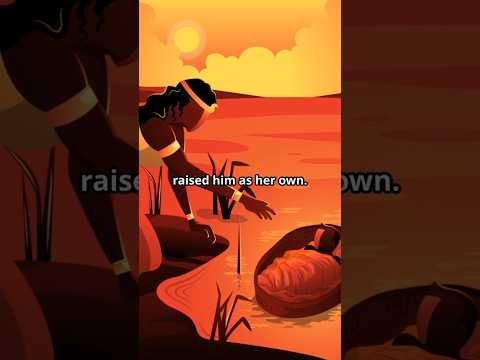
    Moses was born to Hebrew parents from the tribe of Levi. His mother recognized that he was a special child and hid him for three months, risking her life to protect him from Pharaoh’s decree. When she could no longer conceal him, she placed him in a carefully prepared basket coated with tar and pitch, then set it gently among the reeds of the Nile River. His sister Miriam watched from a distance, keeping a careful eye on what would happen.

    Pharaoh’s Daughter Finds Moses

    The turning point in Exodus 2 occurs when Pharaoh’s daughter discovers the baby in the basket. Moved with compassion, she recognized him as a Hebrew child yet chose to raise him as her own. With Miriam’s quick thinking, Moses’ own mother was called to nurse him, ensuring that he grew up with knowledge of his heritage before entering the royal household. This moment highlights God’s providence—using even Pharaoh’s family to preserve the future leader of Israel.

    Lessons from the Story

    The early life of Moses teaches several timeless lessons:

    • Courage in adversity: His parents displayed great faith by defying Pharaoh’s command.
    • Providence in action: Even when the situation looked hopeless, God provided a way.
    • Leadership beginnings: The future deliverer of Israel was preserved through unlikely circumstances.
    • Compassion matters: Pharaoh’s daughter decided mercy over obedience to her father’s decree.

    These themes remind us that God often works through ordinary people and unexpected events to bring about extraordinary outcomes.

    Modern Relevance

    Though told thousands of years ago, the message of Exodus 2 still resonates today. It encourages us to trust in divine guidance when facing overwhelming challenges. Parents may identify with the fear and bravery of Moses’ family, while leaders may see the importance of protecting and guiding those entrusted to them. The story also reassures believers that God’s plans are not thwarted by human opposition, no matter how powerful.

    Conclusion

    The account in Exodus 2 is more than an ancient story—it is a testimony to courage, providence, and hope. The survival of Moses set the stage for the liberation of Israel and the giving of the Law at Sinai. From a tiny baby hidden in a basket to the leader who would confront Pharaoh, this chapter reminds us that God’s purposes are greater than any earthly obstacle. By reflecting on these truths, readers today can find encouragement to persevere, trust in divine timing, and believe that small beginnings can lead to great destinies.

    Exodus 2: Birth & Early Life of Moses | Bible Story Explained.
    Exodus 2: Birth & Early Life of Moses | Bible Story Explained.

    P.S. If you enjoyed this Bible story and want more scripture explained in simple, inspiring ways, be sure to subscribe to HolyThreadProject on YouTube so you never miss the next lesson. 🙏✨

    #BibleStories #MosesStory #FaithLessons #ScriptureExplained #OldTestament