Tag: God’s covenant with Israel

  • Exodus 34: God’s Covenant, Moses’ Radiant Face Explained.

    Exodus 34 Explained | God’s Renewed Covenant and Moses’ Radiant Face Revealed.
    Exodus 34: God’s Covenant, Moses’ Radiant Face Explained.

    Exodus 34: God’s Covenant, Moses’ Radiant Face Explained.

    The book of Exodus is filled with dramatic encounters between God and His people. From the plagues of Egypt to the crossing of the Red Sea, it is a story of deliverance and covenant. Yet one of its most profound moments arrives quietly in Exodus 34, where God chooses to renew His promise to Israel after their great failure with the golden calf. This chapter is not just about laws written on stone tablets; it is about God’s mercy, human transformation, and the visible impact of dwelling in divine presence.

    God Renews the Covenant

    Earlier in the narrative, Israel broke their covenant by worshiping the golden calf. Moses shattered the first set of tablets, symbolizing the people’s broken relationship with God. Yet God does not abandon them. In Exodus 34, He commands Moses to chisel out new tablets and ascend Mount Sinai again. This act of renewal communicates God’s desire for restoration.

    On the mountain, God reveals His very nature. He proclaims Himself as merciful, gracious, slow to anger, and abounding in steadfast love. These attributes later echo throughout the Old Testament, shaping Israel’s understanding of God. They remind readers that the covenant is grounded not in human perfection but in divine compassion.

    The Radiant Face of Moses

    Perhaps the most memorable scene in Exodus 34 is Moses’ descent from the mountain. Having spent time in God’s presence, his face now shines with an otherworldly light. The people are both amazed and afraid, recognizing that something extraordinary has occurred. The radiance is not Moses’ own glory but a reflection of the God he encountered.

    The veil Moses wears becomes symbolic. It separates the ordinary from the holy, yet also demonstrates humility. He covers his radiance when addressing the people but uncovers it when speaking with God. This duality illustrates the balance between accessibility and reverence—God’s truth is for all, yet His holiness is beyond full human grasp.

    Lessons from Exodus 34

    This chapter offers at least three enduring lessons:

    1. Failure does not have the final word. Israel’s sin was great, but God’s mercy was greater. Covenant renewal is always possible.
    2. God’s character defines the covenant. Mercy, grace, and steadfast love are the foundations of divine-human relationship.
    3. Time with God transforms us. Just as Moses’ face radiated light, those who spend time in prayer, study, and worship reflect God’s presence in their attitudes and actions.

    These lessons are not limited to ancient Israel. They apply to anyone seeking hope, renewal, and transformation today.

    Application for Modern Life

    In today’s fast-paced world, people often carry guilt, regret, and a sense of spiritual distance. Exodus 34 speaks directly to these struggles. Like Israel, we may break trust or lose focus, but God offers second chances. Renewal is possible through repentance and faith.

    Furthermore, this chapter emphasizes the importance of spiritual disciplines. Transformation does not happen overnight; it grows through consistent time in God’s presence. Modern believers can take practical steps: reading Scripture daily, setting aside quiet moments for prayer, or joining in worship with a faith community. Over time, these practices shape character in ways that others can notice—just as Israel noticed Moses’ radiant face.

    Why Exodus 34 Still Matters

    The story continues to resonate because it addresses universal needs: forgiveness, identity, and hope. Every generation longs to know that failure is not final and that God’s mercy endures. The shining face of Moses is a reminder that intimacy with God cannot be hidden; it becomes visible in the way we live and love.

    The covenant renewal also points forward to later biblical themes, including the New Testament promise of transformation through Christ. Just as Moses reflected God’s glory temporarily, the Apostle Paul describes believers being transformed “from glory to glory” as they walk with God.

    Conclusion

    Exodus 34 is more than an ancient record; it is a living testimony of God’s mercy and the power of His presence. From the carving of new tablets to the shining face of Moses, every detail illustrates that God restores, transforms, and empowers. For readers today, the invitation is clear: spend time with God, embrace His mercy, and let His light reflect through your life.

    Exodus 34: God’s Covenant, Moses’ Radiant Face Explained.
    Exodus 34: God’s Covenant, Moses’ Radiant Face Explained.

    P.S. If this story encouraged you, be sure to subscribe to HolyThreadProject on YouTube for more timeless biblical wisdom and uplifting faith insights.

    #BibleStudy #Moses #GodsCovenant #RadiantFace #OldTestament #BiblicalWisdom #Faith #ScriptureShorts #HolyThreadProject #Inspiration

  • Exodus 25—Building the Ark of the Covenant & Tabernacle.

    Exodus 25 Explained | Building the Ark of the Covenant and the Holy Tabernacle.
    Exodus 25—Building the Ark of the Covenant & Tabernacle.

    Exodus 25—Building the Ark of the Covenant & Tabernacle.

    The Old Testament contains many passages where God reveals His holiness and His desire to dwell among His people. One of the most detailed is Exodus 25. In this chapter, God gives Moses specific instructions for the construction of sacred objects: the Ark of the Covenant, the table for the bread of the Presence, and the golden lampstand. These directions laid the foundation for Israel’s worship, emphasizing reverence, obedience, and the reality of God’s presence.

    The Ark of the Covenant

    In Exodus 25, God commands Moses to build the Ark of the Covenant, a chest made of acacia wood and overlaid with pure gold. The Ark was to house the tablets of the covenant, serving as a visible sign of God’s promises and Israel’s obligations. Above the Ark sat the mercy seat, guarded by two cherubim whose wings spread over it. This space was understood as the very place where God’s presence would dwell.

    The Ark symbolized God’s holiness and His central role in the life of Israel. Every detail pointed to the seriousness of worship and the sacred bond between Creator and people.

    The Table of the Presence

    God also directed Moses to construct a golden table for the bread of the Presence. Twelve loaves were placed on it each week, representing the twelve tribes of Israel and their ongoing fellowship with God. This bread was not just ritual; it reminded Israel that their daily life and provision came directly from the Lord.

    The table stood as a symbol of communion, a sign that God desired relationship with His people, nourishing them spiritually as well as physically.

    The Golden Lampstand

    Another vital element described in Exodus 25 is the golden lampstand, or Menorah. Crafted from pure gold and shaped with seven branches, it was decorated with almond blossoms and cups. The Menorah stood as a symbol of God’s eternal light.

    Placed in the Tabernacle, it reminded Israel that life without God’s guidance is darkness. The light of the lampstand symbolized the divine presence shining continually, offering hope, clarity, and direction.

    Lessons from Exodus 25

    The chapter is more than architectural detail; it conveys lasting truths about faith.

    • God values holiness: Each object was made with care and precious materials, showing that worship is sacred.
    • Worship requires intention: Nothing was accidental; every instruction carried meaning.
    • God desires presence: The Ark, the bread, and the lampstand all reflect His desire to dwell with His people.

    Together, these elements remind us that true devotion involves reverence, obedience, and a willingness to welcome God into daily life.

    Relevance Today

    Although Exodus 25 describes objects built thousands of years ago, its message is timeless. Modern readers are reminded that God still calls His people to approach Him with reverence. The Ark teaches us about covenant faithfulness, the bread reminds us of God’s provision, and the lampstand calls us to walk in divine light.

    For believers, these symbols continue to inspire prayer, worship, and reflection. They help us remember that God is not distant but chooses to dwell with His people, guiding them in every generation.

    Conclusion

    Exodus 25 is a chapter that combines detailed instruction with profound spiritual truth. Through the Ark of the Covenant, the table of the Presence, and the golden lampstand, we see God’s holiness and His desire for fellowship. These sacred items were not merely ritualistic; they were living reminders of God’s covenant and His nearness.

    At HolyThreadProject, we retell chapters like this to keep their wisdom alive and accessible. Scripture continues to speak today, reminding us that God seeks to dwell with His people and to guide them with light, provision, and covenant love.

    Exodus 25—Building the Ark of the Covenant & Tabernacle.
    Exodus 25—Building the Ark of the Covenant & Tabernacle.

    PS: If this study of Exodus 25 encouraged you, subscribe to HolyThreadProject on YouTube for more biblical chapters, covenant stories, and timeless lessons explained in short, engaging videos.

    #Exodus25 #ArkOfTheCovenant #Tabernacle #BibleStudy #OldTestament #ScriptureExplained #FaithJourney #HolyThreadProject

  • Exodus 19: Israel at Mount Sinai | Preparing for God’s Law.

    Exodus 19: Israel at Mount Sinai | Preparing to Receive God’s Covenant Law.
    Exodus 19: Israel at Mount Sinai | Preparing for God’s Law.

    Exodus 19: Israel at Mount Sinai | Preparing for God’s Law.

    The book of Exodus is a story of deliverance, guidance, and covenant. After the dramatic escape from Egypt and the Red Sea crossing, the Israelites are led through the wilderness toward a sacred encounter. In Exodus 19, they arrive at Mount Sinai, where God begins preparing His people for a covenant that will shape their identity and faith for generations.

    The Arrival at Mount Sinai

    The Israelites camp at the foot of the mountain, surrounded by wilderness and uncertainty, yet about to experience a defining moment in their history. God calls Moses to ascend the mountain, and there He delivers a message of both promise and responsibility. If the people obey His voice and keep His covenant, they will become His treasured possession, a kingdom of priests, and a holy nation.

    This invitation is more than a contract; it is a sacred relationship. The people agree, responding with one voice: “All that the Lord has spoken we will do.”

    Preparation for God’s Presence

    Exodus 19 emphasizes the importance of preparation before encountering the divine. The Israelites are instructed to wash their clothes, consecrate themselves, and set boundaries around the mountain. This physical and spiritual preparation teaches reverence, discipline, and humility.

    On the third day, the atmosphere changes. Thunder rolls, lightning flashes, and a trumpet blast pierces the air. Smoke covers the mountain as God descends in fire. The ground shakes, and the people tremble. This dramatic scene underscores the holiness of God and the seriousness of approaching Him.

    Lessons from the Covenant Moment

    From this chapter, several lessons emerge that remain relevant today:

    • Reverence matters: Approaching God requires humility and respect.
    • Preparation is essential: Just as the Israelites washed and consecrated themselves, believers today prepare through prayer, repentance, and focus.
    • Obedience brings identity: The covenant is not simply about rules; it is about belonging to God as His chosen people.

    The drama of Sinai reveals both God’s majesty and His desire for a close relationship with His people.

    Relevance for Modern Faith

    Though the imagery of Sinai is awe-inspiring, the heart of Exodus 19 speaks directly to modern life. It reminds us that faith is not casual but sacred. In a world where distractions are constant, setting aside time for preparation before worship helps cultivate true reverence. The boundaries God commanded also remind us that holiness is not to be taken lightly.

    This chapter bridges the journey from slavery to covenant, from survival to identity. The people of Israel are no longer just wanderers; they are becoming a nation defined by God’s law and love.

    Why This Story Still Matters

    The events at Mount Sinai form the foundation for the giving of the Ten Commandments in the following chapter. Without the preparation and covenant promise of Exodus 19, the law would lack its relational context. This story still matters because it shows how God shapes people not only by delivering them but also by calling them into purposeful relationship.

    Conclusion

    The story of Exodus 19 is both dramatic and deeply meaningful. The thunder, lightning, and fire highlight God’s majesty, while the call to obedience and consecration reveal His desire for holiness among His people. For modern readers, it serves as a reminder that faith involves preparation, reverence, and obedience.

    As the Israelites trembled at Sinai, they stood at the threshold of a covenant that would define them forever. For us, the lesson remains timeless: to approach God with prepared hearts, to value His covenant, and to live as His people in daily life.

    Exodus 19: Israel at Mount Sinai | Preparing for God’s Law.
    Exodus 19: Israel at Mount Sinai | Preparing for God’s Law.

    P.S. ✨ If this message moved you, don’t forget to subscribe to HolythreadProject on YouTube for more powerful Bible stories and timeless lessons of faith. 🙏

    #Exodus19 #MountSinai #BibleStory #HolythreadProject #GodsCovenant #BibleLessons #FaithAndObedience #OldTestament #Scripture

  • Exodus 6 – Moses and Aaron Before Pharaoh | Bible Story.

    Exodus 6 – Moses and Aaron Before Pharaoh | God’s Promise of Deliverance | Bible Story.
    Exodus 6 – Moses and Aaron Before Pharaoh | Bible Story.

    Exodus 6 – Moses and Aaron Before Pharaoh | Bible Story.

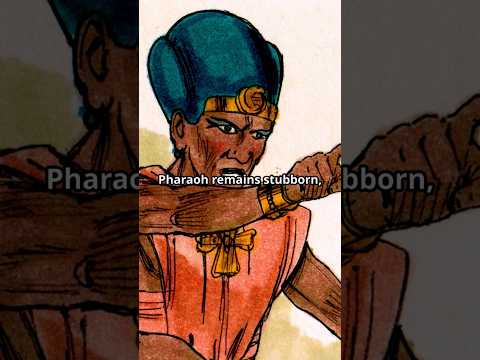
    The story of Exodus 6 is a pivotal moment in the Bible. It reveals God’s covenant promise to His people and His plan to deliver them from bondage in Egypt. While Pharaoh remains stubborn, God strengthens Moses and Aaron, preparing them to stand once again before the most powerful ruler of their time. This passage is not only about Israel’s liberation but also about the faith required to trust God when circumstances appear impossible.

    God’s Covenant Remembered

    In Exodus 6, God reminds Moses of the covenant He made with Abraham, Isaac, and Jacob. This promise was not a temporary agreement but an eternal commitment. He declares that He has heard the groaning of the Israelites under slavery and that He will act with a mighty hand. The covenant theme assures believers that God never forgets His word. Even when His people doubt or despair, His promises remain unbroken.

    This part of the chapter also reveals God’s heart for justice. He is not a distant observer but an active deliverer who hears the cries of the oppressed. That reminder resonates today: in moments when injustice feels overwhelming, the covenantal God still sees, hears, and responds.

    Moses’ Doubt and God’s Reassurance

    The chapter also highlights Moses’ struggle. Despite witnessing God’s power, Moses feels inadequate, describing himself as having “uncircumcised lips.” His doubt reflects the human tendency to focus on weakness instead of God’s strength. Yet God responds not with frustration but with reassurance. He commands Moses and Aaron to return to Pharaoh, showing that His mission does not depend on human eloquence but on divine authority.

    This interaction is important for modern readers who wrestle with self-doubt. God’s call is often bigger than our abilities, but He provides the courage, words, and strength to accomplish His purposes. Moses’ weakness did not disqualify him; rather, it became the stage for God’s power.

    The Hardness of Pharaoh’s Heart

    A key theme of Exodus 6 is Pharaoh’s hardened heart. Though Pharaoh is a symbol of resistance, his defiance becomes the backdrop against which God’s glory is revealed. Deliverance often comes after opposition, and this story reminds us that trials can serve as the stage for God’s power to shine. For modern readers, Pharaoh represents the obstacles in life that seem immovable, yet cannot stand against God’s will.

    Even when resistance seems endless, God’s plan continues. What looks like delay is often preparation for greater deliverance. This teaches patience, perseverance, and a long view of God’s work in history.

    Lessons for Today

    The story of Exodus 6 carries practical lessons for today’s world. It teaches us that God’s promises stand firm even when life feels overwhelming. Doubt, fear, and resistance are natural, but they do not cancel God’s plan. Moses and Aaron’s obedience shows that faith is not the absence of fear, but the willingness to act despite it.

    For those facing challenges today—whether in family, work, or health—this passage offers reassurance. God’s promises anchor us when circumstances shake us. Trusting Him does not mean struggles disappear, but it means we walk through them with confidence in His presence and power.

    Conclusion

    Exodus 6 is more than an ancient story; it is a timeless message of covenant, courage, and trust in God’s promises. By reminding Moses of His covenant, God assures all generations that His word never fails. Moses’ doubt, Aaron’s support, and Pharaoh’s opposition all combine to reveal a deeper truth: God is sovereign, and His plan will prevail.

    For modern believers, the lesson is clear—when doubt whispers and challenges roar, hold fast to God’s word. Just as He delivered Israel from Egypt, He remains the same faithful God who delivers today.

    At Your Wisdom Vault, we share stories like this to inspire reflection and faith. Let Exodus 6 remind you that God’s promises are unshakable, and His power is greater than any obstacle.

    Exodus 6 – Moses and Aaron Before Pharaoh | Bible Story.
    Exodus 6 – Moses and Aaron Before Pharaoh | Bible Story.

    PS: If this story spoke to you, don’t miss future wisdom and insights. Subscribe to HolyThreadProject on YouTube for more Bible stories and timeless lessons. 🙏

    #Exodus6 #BibleStory #Faith #GodsPromise #OldTestament #YourWisdomVault