Tag: God’s Judgment

  • Joshua 7: A Lesson on Sin Judgment and Obedience Explained.

    Joshua 7: A Lesson on Sin, Judgment, and Obedience Explained.
    Joshua 7: A Lesson on Sin Judgment and Obedience Explained.

    Joshua 7: A Lesson on Sin, Judgment, and Obedience Explained.

    The account recorded in Joshua 7 stands as one of the most sobering moments in Israel’s early history in the Promised Land. After a miraculous victory at Jericho, the nation experiences an unexpected and humiliating defeat. This sudden reversal forces Joshua and the people to confront a spiritual problem rather than a military one. The chapter teaches that success with God cannot coexist with hidden disobedience.

    Victory had come through obedience and trust. Defeat followed when those same principles were ignored. This contrast sets the tone for the lesson that unfolds.

    The Historical Setting of the Chapter

    To understand Joshua 7, it is important to recognize Israel’s position at the time. The people had crossed the Jordan and were beginning the conquest of Canaan under direct divine guidance. God’s instructions were clear, especially regarding the devoted items taken from Jericho. These commands were not arbitrary; they established trust, dependence, and reverence at a foundational moment.

    The defeat at Ai revealed that spiritual compromise, even by one individual, could undermine the confidence and direction of the entire nation.

    Hidden Sin and Its Wider Impact

    A central theme in Joshua 7 is the danger of hidden sin. Achan’s disobedience was concealed, yet its effects were immediate and communal. Soldiers lost their lives, morale collapsed, and fear spread throughout Israel. Scripture emphasizes that sin is never as private as it appears.

    This passage challenges the assumption that personal choices affect only the individual. In covenant community, faithfulness and failure ripple outward, shaping outcomes for many.

    God’s Holiness and Just Judgment

    The judgment described in Joshua 7 often unsettles modern readers. However, it reveals a crucial biblical truth: God’s holiness demands obedience. The seriousness of the response reflects the seriousness of the covenant relationship. God was forming a people set apart, and tolerance of disobedience at this stage would undermine everything that followed.

    Justice here is not impulsive anger, but a firm boundary protecting the integrity of God’s purposes and His people.

    Repentance Restores Direction

    Although judgment plays a major role in Joshua 7, the chapter does not end in despair. Once the sin is exposed and addressed, God’s guidance returns. Repentance in this context involves truth, accountability, and decisive action. Only after confronting the issue does Israel regain clarity and confidence.

    This pattern reveals that restoration is always available when obedience is taken seriously and truth is embraced fully.

    Applying the Lesson Today

    The teaching found in Joshua 7 extends beyond ancient warfare and covenant law. While believers today live under different circumstances, the principle remains the same. Hidden compromise weakens spiritual clarity, disrupts peace, and damages witness. Integrity before God is not optional for healthy faith.

    The chapter invites honest self-examination and communal accountability, reminding readers that obedience protects far more than it restricts.

    Integrity as the Path Forward

    Ultimately, Joshua 7 stands as a call to integrity, reverence, and faithfulness. It shows that God values obedience not to burden His people, but to guide and protect them. When truth replaces concealment and repentance replaces justification, direction is restored.

    This chapter reminds readers that the path forward is always found in obedience, humility, and trust in God’s commands.

    Joshua 7: A Lesson on Sin, Judgment, and Obedience Explained.
    Joshua 7: A Lesson on Sin, Judgment, and Obedience Explained.

    P.S. If this reflection helped you, consider subscribing to HolyThreadProject on YouTube for short, Scripture-centered teachings that encourage faith, obedience, and spiritual growth.

    #Joshua7 #BibleStudy #ChristianFaith #BiblicalTeaching #OldTestament

  • Exodus 12: The Plague of Darkness | God’s Power Revealed.

    Exodus 12: The Plague of Darkness and Pharaoh’s Defiance | Bible Story.
    Exodus 12: The Plague of Darkness | God’s Power Revealed.

    Exodus 12: The Plague of Darkness | God’s Power Revealed.

    The plagues of Egypt are among the most unforgettable events in the Old Testament. Each one revealed the futility of Pharaoh’s pride and the greatness of God’s power. In Exodus 12, we encounter one of the most mysterious and unsettling plagues: the Plague of Darkness. This was no passing storm or solar eclipse—it was a supernatural shadow that blanketed Egypt for three full days. While the Egyptians sat in fear, the Israelites enjoyed light in their homes. The message was unmistakable: God is sovereign, and those who walk with Him will not be overcome by darkness.

    The Story of the Plague of Darkness

    According to Exodus 12, God commanded a darkness so heavy it could be felt. For three long days, the Egyptians could not see one another. Work stopped, travel stopped, and even daily routines were paralyzed. The land that once bustled with life became as silent as the grave. Imagine the fear of waking up day after day, with no sunrise, no clarity, and no hope of light returning.

    But in the dwellings of the Israelites, there was light. God drew a line between those who resisted Him and those who trusted Him. The contrast could not be ignored: Pharaoh’s defiance led his nation into despair, while God’s covenant with His people kept them safe. This was not just a display of power—it was a living parable about the difference between faith and rebellion.

    Lessons for Today

    1. God’s Authority Over Creation

    The Plague of Darkness reminds us that all creation belongs to God. Light itself bends to His will. For people who often take nature for granted, Exodus 12 is a sobering reminder that the Creator holds ultimate control.

    2. The Dangers of Pride

    Pharaoh’s hardened heart is one of the central themes of the Exodus story. Pride blinded him to truth, even as plague after plague devastated his land. This is a warning for us as well: pride can darken our understanding and keep us from recognizing God’s call.

    3. God Protects His People

    While Egypt was swallowed in shadow, Israel had light. This miraculous protection shows God’s faithfulness to His promises. Even in times of judgment, His people are not abandoned. Today, that light symbolizes the hope and peace believers find in Christ.

    Relevance for Our World

    The story of Exodus 12 may be thousands of years old, but its meaning speaks directly to our world. We, too, live with many forms of darkness—uncertainty, moral confusion, and spiritual emptiness. Like the Egyptians, society often resists God’s truth, choosing to walk in shadow rather than in light.

    Yet for those who trust God, the promise of light remains. Darkness may surround us, but it cannot overcome the presence of God. The story challenges us to ask: Where do we place our trust? Are we hardening our hearts like Pharaoh, or opening them to the light that only God provides?

    Why the Plague of Darkness Matters

    Among all the plagues, this one is particularly symbolic. Water turning to blood, frogs, and hail all demonstrated power—but darkness touched something deeper. It stripped away control and revealed human weakness. When the sun itself seems gone, who can restore it but God? The message of Exodus 12 is both simple and profound: apart from Him, we stumble in shadows; with Him, we live in the light.

    Conclusion

    The Plague of Darkness in Exodus 12 remains a timeless testimony of God’s sovereignty and judgment. Pharaoh’s refusal to humble himself plunged his nation into despair, yet the Israelites stood in light because they belonged to the Lord. This is more than ancient history—it is a call for us today.

    Will we resist God’s will and remain in darkness, or will we embrace His light and live in peace? The choice is as urgent now as it was then. God’s light is still shining, and His promises remain unshaken. The story of Exodus reminds us that even when the world is covered in shadow, God’s people will never be without light.

    Exodus 12: The Plague of Darkness | God’s Power Revealed.
    Exodus 12: The Plague of Darkness | God’s Power Revealed.

    P.S. If this story encouraged you, stay connected for more timeless Bible lessons and reflections. 👉 Subscribe to HolyThreadProject on YouTube and keep walking in the light of God’s Word.

    #BibleStories #Exodus12 #ChristianFaith #HolyThreadProject #GodsPower #Scripture

  • God’s Judgment on Sodom: A Genesis 19 Bible Insight.

    God’s Judgment on Sodom — Genesis 19 Bible Insight into Sin, Fire, and Redemption.
    God’s Judgment on Sodom: A Genesis 19 Bible Insight.

    God’s Judgment on Sodom: A Genesis 19 Bible Insight.

    The account of Sodom and Gomorrah in Genesis 19 is one of the Bible’s most sobering moments. More than a record of destruction, it’s a powerful look into divine justice, human rebellion, and the unwavering character of God.

    Sodom was a city overflowing with sin, pride, and disregard for righteousness. Yet, before any consequences were delivered, God sent two angels—not to destroy, but to warn. This early moment reveals a central truth of Scripture: before justice comes, mercy is always offered.

    A Warning Ignored

    Lot welcomes the angels into his home, but the city responds with hostility. The people of Sodom reject the presence of God’s messengers and cling to their sin. The angels urge Lot and his family to flee, offering them a chance to escape what’s coming. Even then, Lot hesitates. But God’s mercy takes the lead—pulling him away before it’s too late.

    This moment isn’t just dramatic storytelling; it’s a reflection of the human heart. How often do we linger in places we know we shouldn’t be? How frequently do we delay when grace is calling us out?

    The Consequence of Corruption

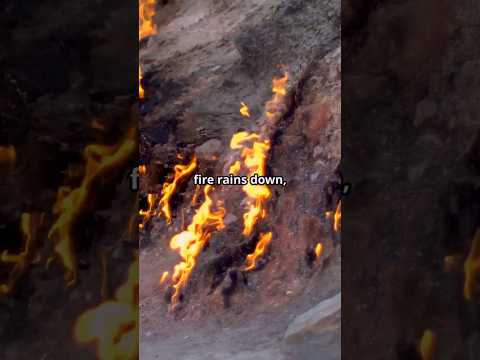
    When Sodom ignores its final opportunity, the response is swift and complete. Fire rains down from heaven—not as an impulsive act, but as a direct consequence of long-persisting evil. In this case, God’s judgment is both a response and a boundary. It reveals that while mercy runs deep, there comes a point when persistent rebellion is met with firm consequence.

    We typically struggle with this side of the biblical narrative, but it’s crucial to understand: justice and love are not opposites. God’s correction flows from His desire to uphold truth, protect the innocent, and heal what is broken.

    What It Means for Us Today

    Genesis 19 isn’t simply about Sodom. It’s about every generation. In a world where moral compromise is normalized, the story speaks with urgency. Are we ignoring the messengers? Are we justifying what we should be leaving behind?

    This isn’t just a tale of what went wrong long ago—it’s a timeless call to live rightly, respond to divine guidance, and take seriously the consequences of the paths we choose.

    Though this passage includes an act of divine judgment, it also carries hope. God desired not to destroy but to rescue. Lot’s escape is a symbol of that possibility—one still offered today to those willing to respond to God’s voice.

    Mercy and Clarity

    Even in the most serious parts of Scripture, the heart of God is clear: He offers warning, a way out, and help even when we hesitate. The destruction of Sodom isn’t about an angry God—it’s about a holy one, responding with clarity to a world that refused to change.

    For those who follow Him, there is confidence: God is just, but He is also kind. His ways may be firm, but they are also full of grace.

    Final Thoughts

    The story of Sodom forces us to consider what happens when a society—or an individual—chooses rebellion over righteousness. It’s not simply about punishment. It’s about the consequences of turning away from what is good.

    God’s response to Sodom was rooted in truth. But His treatment of Lot was rooted in compassion. And that balance speaks volumes to us today.

    God's Judgment on Sodom: A Genesis 19 Bible Insight.
    God’s Judgment on Sodom: A Genesis 19 Bible Insight.

    At HolyThreadProject, we believe even the hard stories of Scripture carry light. They call us to reflect, to return, and to live with both reverence and hope.

    God’s justice is real—but so is His rescue.

    P.S. Judgment in the Bible isn’t just about consequence—it’s a call to return to God. If this message spoke to you, subscribe to HolyThreadProject on YouTube for more biblical insights.

    #Judgment #Genesis19 #BibleStudy #SodomAndGomorrah #GodsJustice #BiblicalTruth #HolyThreadProject #OldTestamentWisdom #ScriptureInsight #DivineWarning