Tag: Holy Thread Project

  • The Test of Abraham: Faith and Obedience in Genesis 22.

    The Test of Abraham — Faith, Obedience, and God’s Provision in Genesis 22 Explained.
    The Test of Abraham: Faith and Obedience in Genesis 22.

    The Test of Abraham: Faith and Obedience in Genesis 22.

    Few biblical stories strike the heart as powerfully as the test of Abraham found in Genesis 22. It’s a narrative that challenges our modern sensibilities and calls into question our deepest assumptions about faith, obedience, and God’s character.

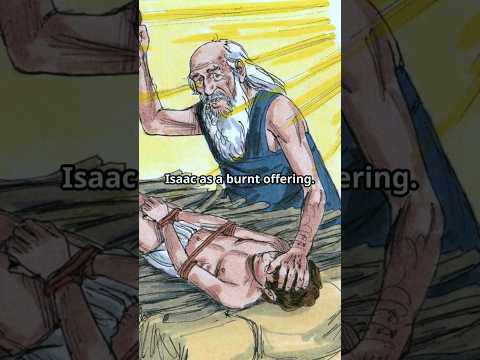
    In this story, Abraham—already tested throughout his life—is called once more to step into the unknown. God commands him to offer his son Isaac, the child of promise, as a burnt offering. The test is stark. The silence from heaven is deafening. And yet, Abraham responds not with argument or delay, but with obedience.

    More Than Just a Test

    The test of Abraham is more than a moment of personal trial. It marks a turning point in the biblical story, highlighting the interplay between divine sovereignty and human responsibility. Abraham had waited decades for Isaac, the son God promised would carry on the covenant. Now, that very promise seemed on the brink of destruction.

    This wasn’t about blind submission. The real focus of the story lies in faith under pressure—faith that trusts beyond logic. Abraham’s willingness to follow through was not rooted in fear but in the belief that somehow, God would provide.

    And God does. At the very last moment, a ram appears, caught in a thicket. Isaac is spared. The covenant continues. And the mountain becomes a place not of sacrifice, but of provision and revelation.

    God as Provider

    The test of Abraham reveals something profound about God. He is not a distant deity demanding cruel obedience. He is present in the trial and ultimately shows Himself to be a provider. This moment foreshadows countless other moments throughout Scripture where God steps in—not to destroy, but to save.

    For readers of faith, this story challenges us to examine our hearts: Where do we draw the line with trust? Do we follow only when the path makes sense, or even when it doesn’t? Do we offer God everything—or only what’s convenient?

    The test was never about Isaac. It was about Abraham’s heart. And by extension, it invites us to consider the condition of our own.

    Faith That Walks

    One of the most striking elements of the story is its quiet simplicity. Abraham wakes early, gathers what he needs, and walks toward the unknown. There’s no recorded protest, no theological debate—just action. This is a different kind of faith. It’s not loud or flashy. It walks.

    The test of Abraham reminds us that faith isn’t just belief—it’s movement. It’s saying yes to God before the outcome is clear. It’s putting the promise back into God’s hands, trusting that He’s capable of fulfilling it in His own way.

    A Story That Still Speaks

    Though this event occurred thousands of years ago, its implications are timeless. We all face tests—moments when our faith is stretched beyond comfort. Whether it’s in relationships, health, finances, or purpose, we reach points where obedience feels costly.

    The test of Abraham gives us a model. Not a blueprint for suffering, but a testimony of trust. It reminds us that God often works in the eleventh hour—not to torment us, but to reveal something deeper about Himself and about us.

    Final Thoughts

    The test of Abraham is not just a story about one man and his son. It’s about the God who walks with us through fear and uncertainty. It’s about trust that outweighs understanding. It’s about surrender that leads not to loss, but to life.

    In our own spiritual journey, we are each called to moments of deep trust. And when we, like Abraham, walk forward in faith—especially when the path is unclear—we open ourselves to divine provision we couldn’t have predicted.
    The Test of Abraham: Faith and Obedience in Genesis 22.
    The Test of Abraham: Faith and Obedience in Genesis 22.

    P.S. If this story gave you a fresh lens on faith, obedience, or provision, subscribe to Holy Thread Project on YouTube for more short-form biblical insights that speak to real life.

    #TestOfAbraham #Genesis22 #HolyThreadProject #BiblicalFaith #GodProvides #FaithAndObedience
  • God Was Grieved to the Heart – Genesis 6:5-8 Explained.

    God Was Grieved to the Heart—Genesis 6:5–8 Explained | When Love Meets Judgment.
    God Was Grieved to the Heart – Genesis 6:5-8 Explained.

    God Was Grieved to the Heart – Genesis 6:5-8 Explained.

    Understanding the Sorrow of God in the Days of Noah

    In a world that often views God as distant or detached, the book of Genesis 6:5–8 offers a sobering and deeply emotional truth:

    “The Lord saw how great the wickedness of the human race had become… and it grieved Him to His heart.”

    This passage isn’t just about judgment—it’s about the heart of God, His sorrow, and His longing for humanity to return to righteousness. It’s one of the most raw and human-like glimpses of God’s emotional nature in the entire Bible.


    What Does It Mean That God Was Grieved to the Heart?

    In Genesis 6:5–8, God observes the complete moral collapse of humanity. Every thought and intention of the human heart had become evil, and violence filled the earth. The response?

    Grief. Sorrow. Heartache.

    This isn’t just divine disappointment—it’s divine heartbreak. The original Hebrew word for “grieved” implies deep emotional pain, like that of a parent mourning a child.

    This tells us something profound about God:
    He is not cold or indifferent. He is emotionally invested in His creation. God’s judgment comes not from a desire to destroy, but from a place of deep sorrow over what His beloved creation had become. God was grieved deeply by the brokenness He saw in humanity.


    Grace in the Midst of Grief

    But the story doesn’t end with judgment. Verse 8 gives us a spark of hope:

    “But Noah found favor in the eyes of the Lord.”

    Even in His grief, God extends grace. Amidst the wickedness, one man walks faithfully—and God notices. This is a beautiful reminder that no matter how dark the world becomes, God still sees the faithful. His grace still flows.

    The message here is timeless: In the middle of a broken world, you can still walk with God—and find favor.


    A God Who Feels Deeply

    Many people struggle with the idea that God has emotions. But Genesis 6 shows us a glimpse into the emotional life of God—not as a sign of weakness, but of deep relational love.

    This short video unpacks that truth with clarity and reverence. It challenges us to reconsider how we view God—not as a far-off judge, but as a heartbroken Creator, longing for relationship with His people.

    If you’ve ever felt that your pain doesn’t matter to God, let this passage prove otherwise.
    God’s heart grieves over sin because His heart longs for restoration.


    Why This Message Matters Today

    In a world still filled with chaos, corruption, and confusion, this ancient passage feels more relevant than ever. People are searching for truth, for meaning, and for a God who sees. Genesis 6 reminds us that God not only sees—He feels. He responds. And He offers grace.

    Our prayer is that this short video helps you connect more deeply with God’s heart and renews your understanding of His justice, mercy, and love.


    Final Thoughts

    Genesis 6:5–8 is more than just the setup for Noah’s ark—it’s a window into the heart of God. It shows a God who weeps over sin but still reaches out in mercy. A God who feels heartbreak but also offers hope.

    Take a moment today to reflect:
    Are there places in your life where God is grieving but waiting to extend grace?
    You are never too far gone to be seen, known, and loved by your Creator.

    God Was Grieved to the Heart – Genesis 6:5-8 Explained.
    God Was Grieved to the Heart – Genesis 6:5-8 Explained.

    🙏 Thank you for reading and watching.
    If this message spoke to your heart, feel free to share it—and don’t forget to subscribe to Holy Thread Project on YouTube for more short, powerful teachings from God’s Word.


    P.S. Let this passage remind you: God was grieved not out of anger alone, but out of love—for a world He still longs to redeem.

    #GodsHeart #Genesis6 #BibleWisdom

  • She Took and Ate – The Fall Begins (Genesis 3:6 Explained).

    She Took and Ate | The Fall Begins (Genesis 3:6 Explained) and the Cost of Desire.
    She Took and Ate – The Fall Begins (Genesis 3:6 Explained).

    She Took and Ate – The Fall Begins (Genesis 3:6 Explained).

    “She took of its fruit and ate…”
    With those simple words from Genesis 3:6, the course of humanity changed forever. Eve’s act in the Garden of Eden is more than a moment of disobedience — it’s a window into the heart of temptation, free will, and the beginning of the human struggle with sin.

    This verse marks the turning point in the story of creation — the shift from paradise to exile, from innocence to awareness, and from unity with God to separation. But it also reveals something deeper about our spiritual condition today.

    Understanding Genesis 3:6

    Genesis 3:6 reads:
    “When the woman saw that the fruit of the tree was good for food and pleasing to the eye, and also desirable for gaining wisdom, she took some and ate it.”

    Eve saw.
    She desired.
    She took.
    She ate.

    In these four actions, we see the anatomy of temptation. This wasn’t about hunger. It was about wanting more than what was freely given — about grasping at something forbidden because it seemed better, wiser, or more powerful than obedience.

    The Nature of Temptation

    Eve’s temptation mirrors our own. The serpent didn’t just offer fruit; he planted a lie: “You will be like God.”
    It’s the same lie we still hear today — that we can define right and wrong, truth and meaning, on our own terms. That we don’t need God to live fully.

    Temptation often presents itself as something “good” or “beautiful,” just like the fruit appeared pleasing to the eye. But the fall began the moment Eve stepped outside the boundary of trust — when she believed that God was holding something back, rather than protecting her.

    The Impact of the Fall

    When Eve took and ate, followed by Adam, everything changed. Shame entered. Fear entered. Blame entered. Humanity’s perfect relationship with God was fractured. This single act introduced what we now call “original sin” — a nature that leans away from God instead of toward Him.

    Yet even in that fall, God began to weave a redemptive thread — a plan to restore what was lost. Genesis 3 is not just a story of failure; it’s the beginning of a greater story of grace.

    Why This Verse Still Matters

    Genesis 3:6 still speaks to us because it reflects the daily choices we face:
    Will we trust God, or trust ourselves?
    Will we obey, even when it doesn’t make sense?
    Will we believe that God’s boundaries are loving, or that He’s holding something good back?

    Understanding this verse helps us recognize how easily we’re drawn into compromise, how deception often wears the mask of desire, and how important it is to stay grounded in God’s truth.

    From the Fall to Redemption

    The beauty of the Bible is that it doesn’t end in Genesis 3. The moment sin enters the world, God begins the journey of redemption. The entire narrative of Scripture leads us from the first bite of the fruit to the final breath of Christ — the one who came to undo the curse and restore what was lost.

    “She took and ate” may have started the fall, but “It is finished” (John 19:30) marks the turning point toward salvation.

    She Took and Ate – The Fall Begins (Genesis 3:6 Explained).
    She Took and Ate – The Fall Begins (Genesis 3:6 Explained).

    Want to go deeper?
    Subscribe to Holy Thread Project on YouTube for powerful, bite-sized reflections that unravel the deeper threads of Scripture.


    #Genesis3 #BibleExplained #FaithReflections #HolyThreadProject #FallOfMan #SpiritualGrowth #BibleStudyBlog

  • The Serpent Speaks in Eden – A Genesis 3:1 Bible Breakdown.

    The Serpent Speaks in Eden | Genesis 3:1 Bible Breakdown and the Voice of Temptation.
    The Serpent Speaks in Eden – A Genesis 3:1 Bible Breakdown.

    The Serpent Speaks in Eden – A Genesis 3:1 Bible Breakdown.

    “Now the serpent was more cunning than any beast of the field which the Lord God had made. And he said to the woman, ‘Has God indeed said…?’”Genesis 3:1

    This single verse in the Book of Genesis marks a turning point in the biblical story of humanity. Genesis 3:1 is not only the introduction of the serpent—it’s the beginning of the fall. It’s where temptation, deception, and spiritual warfare enter the scene. And it all starts with a question.

    The Serpent: A Master of Subtle Deception

    The serpent isn’t loud or aggressive. He doesn’t threaten. Instead, he asks a question—a seemingly innocent one: “Has God indeed said…?”

    This is the enemy’s ancient tactic: not to deny God outright, but to introduce doubt. By twisting God’s command just slightly, the serpent undermines the foundation of truth and obedience. He invites Eve to question what she knew, to rely on her interpretation, and to entertain a subtle distortion.

    The serpent’s words are a masterclass in manipulation. He doesn’t tell Eve what to do. He doesn’t force her hand. Furthermore, he simply plants a seed of doubt. And that seed grows into disobedience and, ultimately, the fall of humankind. Each time the serpent speaks, doubt enters and the truth is questioned.

    Why Genesis 3:1 Still Matters Today

    This moment in Eden isn’t just a historical or theological event—it’s a mirror. Genesis 3:1 shows us how temptation operates in our daily lives:

    • It begins with questioning the truth.
      The serpent didn’t start with an argument, but with doubt: “Did God really say…?”
    • It distorts clarity.
      God’s command was clear, but the serpent twists it just enough to make it negotiable.
    • It preys on desire and pride.
      By raising the question, the serpent opens the door for Eve to evaluate God’s command through her lens rather than trusting His word.

    This passage reminds us that temptation often sounds reasonable. It doesn’t shout—it whispers. It doesn’t command—it suggests.

    The Voice of Doubt: Then and Now

    Today, we still hear that same voice. It might sound like:

    • “Does the Bible really mean that?”
    • “Is that sin really such a big deal?”
    • “Surely God wants you to be happy, right?”

    These subtle shifts lead us to redefine truth, justify disobedience, or delay obedience. The serpent’s strategy hasn’t changed—it’s just taken on new forms.

    How to Stand Firm Against Spiritual Deception

    To guard ourselves against the subtle voice of the serpent, we need to be rooted in God’s Word. Here are some practical ways to apply the wisdom of Genesis 3:1:

    1. Know Scripture Clearly.
      The serpent twisted God’s words because Eve wasn’t confident in them. When we know the Bible well, we recognize truth from half-truth.
    2. Stay in Community.
      Eve was alone when tempted. Isolation can amplify doubt. Stay connected to fellow believers who encourage and sharpen your understanding.
    3. Pray for Discernment.
      Temptation typically looks logical or even good. Discernment helps us see beneath the surface to the spiritual reality.
    4. Guard Your Thoughts.
      The serpent’s first tactic was to engage the mind. Don’t entertain thoughts that twist or question God’s goodness or truth.

    Final Thoughts: Watch Your Questions

    Genesis 3:1 teaches us that the first temptation wasn’t to steal, murder, or lie. It was to question what God had clearly said. That question still echoes in the minds of many today—and it’s just as dangerous.

    But there is hope. In Christ, we have the wisdom, strength, and truth to stand against deception. We don’t have to fall for every whisper. We can recognize the serpent’s voice and choose the voice of the Shepherd instead.


    Let this short but powerful verse remind you: every great fall begins with a small question. Stay rooted in Scripture, walk in truth, and trust in the voice of God.

    #Genesis3 #BibleStudy #BiblicalTruth


    The Serpent Speaks in Eden – A Genesis 3:1 Bible Breakdown.
    The Serpent Speaks in Eden – A Genesis 3:1 Bible Breakdown.

    Want more bite-sized Bible insights like this? Subscribe to Holy Thread Project on YouTube and join us as we unravel Scripture one thread at a time. ✝️

    Thanks for watching our short: The Serpent Speaks in Eden – A Genesis 3:1 Bible Breakdown.

    P.S. When the serpent speaks, it’s rarely loud—but always dangerous. Stay rooted in truth.

    And remember! “The moment the serpent speaks, deception finds its voice in Eden.”

  • The Garden and the Tree: Genesis 2 Explained Spiritually.

    The Garden and the Tree | Genesis 2 Explained Spiritually and God’s Divine Design.
    The Garden and the Tree: Genesis 2 Explained Spiritually.

    The Garden and the Tree: Genesis 2 Explained Spiritually.

    In the beginning, God didn’t just create a world—He planted a garden.
    Genesis 2 offers more than history or myth—it’s a spiritual map, one that still speaks to the choices we make today.

    At the center of that garden stands a tree. Not just any tree, but the Tree of the Knowledge of Good and Evil. And beside it, the Tree of Life.

    So why did God place these trees in the middle of Eden? And what do they reveal about our relationship with freedom, love, and divine order?

    Let’s explore this ancient story with fresh spiritual eyes.


    Eden: More Than a Place

    Genesis 2:8–9 says:

    “The Lord God planted a garden in Eden, in the east, and there He put the man whom He had formed. And out of the ground the Lord God made to grow every tree that is pleasant to the sight and good for food, the Tree of Life also in the midst of the garden, and the Tree of the Knowledge of Good and Evil.”

    Many people imagine Eden as a lost paradise—something far away in time and space.
    But spiritually, Eden represents divine order—a life aligned with the Creator, with nature, and with our own true purpose.

    The Garden of Eden isn’t just where humanity was. It’s a metaphor for where our hearts can be when we live harmonizing with God’s will.


    The Tree of Choice

    At the heart of this paradise, God places a tree—and a decision.
    Not hidden. Not fenced off. Right in the center.

    Why?

    Because true love requires freedom.
    And real freedom requires the possibility of choosing not to love.

    The Tree of Knowledge of Good and Evil wasn’t a trap—it was an invitation.
    Not to sin, but to grow. To move from innocence to wisdom. From dependency to discernment.

    It’s a tree that asks:

    Will you trust God’s order, or try to define good and evil on your own?


    Knowledge vs. Wisdom

    It’s easy to misunderstand the meaning of the Tree. This wasn’t just about breaking a rule.
    It was about choosing self over surrender.

    The Tree of Knowledge represents the human desire to control, categorize, and define. It’s the voice that says, “I will decide what’s good for me. I don’t need divine guidance.”

    But knowledge without love becomes pride.
    And pride blinds us from the deeper wisdom that comes through trust, humility, and spiritual alignment.

    The Tree of Life, in contrast, represents God’s eternal presence and sustaining grace. It’s not about knowing—it’s about being.


    We Still Walk Through the Garden

    Eden isn’t locked away in Genesis.
    Every day, we walk through spiritual gardens.
    Every moment, we stand between two trees:

    • The Tree of Life, calling us into trust, surrender, and communion with God.
    • The Tree of Knowledge, tempting us to define life on our own terms.

    This isn’t about fruit—it’s about freedom.

    Will we grasp for control?
    Or receive life as a gift?


    Final Thoughts: A Living Story

    Genesis 2 isn’t just about Adam and Eve.
    It’s about you and me.

    It’s a daily reminder that spiritual growth isn’t about perfection—it’s about alignment.
    God still invites us to the garden. And He still gives us the freedom to choose.

    The question is:

    Which tree will you live from?


    🎥 Watch the reflection at the top of this post for a visual and scriptural breakdown of Genesis 2.
    This short from Holy Thread Project explores the spiritual meaning of the Garden and the Tree in just one minute.

    The Garden and the Tree: Genesis 2 Explained Spiritually.
    The Garden and the Tree: Genesis 2 Explained Spiritually.

    🙏 If this message resonated with you, share it with someone walking through their spiritual garden today. And subscribe to the HolyThreadProject on YouTube for more.

    #Genesis2 #GardenOfEden #TreeOfKnowledge #TreeOfLife #BibleExplained #SpiritualWisdom #ChristianGrowth #HolyThreadProject #FaithAndFreedom #BiblicalSymbolism