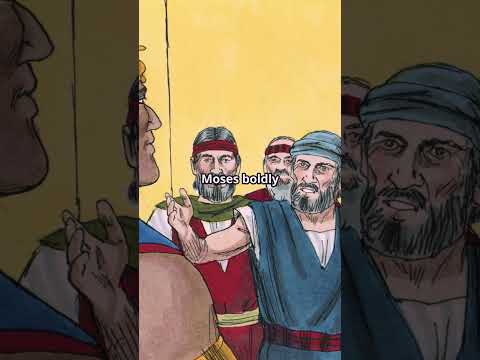
Tag: HolyThreadProject Bible Shorts

  • Exodus 33 Explained—God’s Presence and Divine Guidance.

    Exodus 33 Explained | God’s Presence, Moses’ Prayer, and Divine Guidance Revealed.
    Exodus 33 Explained—God’s Presence and Divine Guidance.

    Exodus 33 Explained—God’s Presence and Divine Guidance.

    Among the most powerful passages in the Old Testament, Exodus 33 invites readers into an intimate dialogue between Moses and God. This chapter explores themes of divine presence, prayer, and assurance, making it one of the most treasured sections of Scripture. It is more than a historical account; it is a timeless reminder that true peace and direction come from walking with God.

    The Context of Exodus 33

    The chapter follows one of Israel’s lowest moments—the golden calf incident. After their rebellion, God’s relationship with His people appeared broken. The Lord told Moses He would send them toward the promised land but might not accompany them. This possibility filled Moses with grief. He knew that no land, no blessing, and no achievement could replace the presence of God Himself. Without divine guidance, the nation’s journey would be meaningless.

    Moses’ Intercession

    In this moment of crisis, Moses became the mediator for his people. He boldly prayed on their behalf, asking for mercy and restoration. His prayer was not about power or victory but about companionship with the Lord. He pleaded, “If Your Presence does not go with us, do not send us up from here.” This request revealed his deep understanding: success without God is failure, while even hardship with God is hope.

    God’s Promise of Presence

    In response to Moses’ prayer, God gave one of the most comforting promises in all of Scripture: “My presence will go with you, and I will give you rest.” This statement in Exodus 33 reassured both Moses and Israel that the Lord would not abandon them. The promise was not merely about reaching a physical destination; it was about continual guidance, peace, and assurance. God’s presence transforms uncertainty into confidence and fear into rest.

    Timeless Lessons for Believers

    The wisdom of this chapter extends far beyond its ancient context. It teaches that reliance on human strength, wealth, or influence can never substitute for divine guidance. Moses reminds us that dependence on God is not weakness but wisdom. The story also highlights the role of prayer. Bold, honest communication with God opens the way for His presence to be experienced in daily life.

    Leaders today can also learn from Moses’ humility. True leadership is not about control but about intercession and service. Families, communities, and nations thrive when guided by values rooted in God’s presence.

    Experiencing God’s Presence Daily

    How can the message of Exodus 33 be lived out today? It begins with cultivating prayer as a conversation rather than a ritual. Taking time to read Scripture, reflect, and listen creates space for God to speak into our lives. Acts of forgiveness, patience, and gratitude further invite His presence into ordinary routines.

    This chapter also reminds us to seek God in seasons of uncertainty. When life feels unstable, His presence offers stability. When decisions weigh heavily, His guidance brings clarity. Above all, His rest provides renewal in a restless world.

    Conclusion

    Exodus 33 stands as a beacon of hope, reminding us that God’s greatest gift is not a land, a blessing, or a victory, but His presence itself. Moses’ prayer and God’s response continue to inspire believers across generations: where the Lord goes, there is peace, direction, and strength.

    At HolyThreadProject, our mission is to bring these timeless truths into today’s conversations. May this chapter encourage you to seek God’s presence above all else and trust that His guidance is the foundation for true rest.

    Exodus 33 Explained—God's Presence and Divine Guidance.
    Exodus 33 Explained—God’s Presence and Divine Guidance.

    P.S. If this reflection on Exodus 33 inspired you, don’t forget to subscribe to HolyThreadProject on YouTube for more Bible insights and timeless wisdom.

    #Exodus33 #BibleStudy #HolyThreadProject #ScriptureExplained #GodsPresence #DivineGuidance #FaithLessons #ChristianWisdom #BibleShorts

  • Exodus 32 Explained: The Golden Calf and God’s Judgment.

    Exodus 32 Explained | The Golden Calf, Israel’s Rebellion, and God’s Righteous Judgment.
    Exodus 32 Explained: The Golden Calf and God’s Judgment.

    Exodus 32 Explained: The Golden Calf and God’s Judgment.

    The book of Exodus is filled with powerful events that shape the story of Israel’s covenant with God. Among the most dramatic is Exodus 32, the account of the Golden Calf. This passage reveals the dangers of idolatry, the seriousness of sin, and the depth of God’s justice and mercy. Even though it was written thousands of years ago, its lessons remain timeless and relevant.

    The People’s Impatience

    While Moses was on Mount Sinai receiving the Ten Commandments, the Israelites grew restless. Days turned into weeks, and they began to doubt whether Moses would return. Their impatience turned into rebellion. They demanded that Aaron, Moses’ brother, create a visible god to lead them. Aaron collected gold from the people and fashioned it into a calf, an idol that reflected pagan traditions. This act of disobedience lies at the heart of Exodus 32.

    The Golden Calf Celebration

    Once the idol was made, the people held a feast, offering sacrifices and celebrating with dancing. They turned their devotion away from the Lord who had rescued them from Egypt and toward a lifeless statue. The festival symbolized how quickly people can forget God’s deliverance when faced with fear or uncertainty. The Golden Calf was not just a false image—it represented a betrayal of the covenant.

    God’s Anger and Moses’ Response

    As the people worshiped the idol, God told Moses of their corruption. Divine anger burned against them, and judgment was declared. Moses interceded, pleading for mercy on behalf of Israel. Still, when he descended the mountain and saw the idolatry with his own eyes, his anger erupted. In fury, he smashed the stone tablets, symbolizing how Israel had broken God’s covenant. This dramatic act is one of the most memorable images in Exodus 32.

    The Destruction of the Idol

    Moses took the Golden Calf, burned it, ground it into powder, and scattered it in water, forcing the Israelites to drink it. This strange act was a vivid symbol: their sin was not something separate from them but something they had to face and take into themselves. It showed the futility of idolatry and the consequences of turning from the true God.

    Lessons from Exodus 32

    The narrative of Exodus 32 speaks to every generation. It reminds us that impatience and fear can easily lead to compromise. The Israelites had witnessed miracles—the Red Sea parting, manna from heaven—yet still turned to an idol. In our modern world, idols may not take the shape of a golden calf, but they can appear in the form of wealth, status, technology, or anything we place above God. The warning is clear: putting trust in anything other than the Lord leads to disappointment and judgment.

    The Call to Faithfulness

    Despite the people’s sin, Moses’ intercession reflects God’s mercy. The story encourages us not only to remain faithful but also to seek forgiveness when we fall short. The themes of covenant, repentance, and grace echo throughout the Bible, pointing forward to the ultimate mediator, Jesus Christ, who reconciles humanity to God.

    Conclusion

    Exodus 32 is more than a tale of ancient idolatry—it is a mirror reflecting the struggles of the human heart. The Golden Calf reminds us that idols can take many forms, but God calls His people to worship Him alone. By learning from Israel’s failure, we can choose faithfulness, obedience, and trust in the Lord who delivers and sustains us.

    Exodus 32 Explained: The Golden Calf and God’s Judgment.
    Exodus 32 Explained: The Golden Calf and God’s Judgment.

    PS: If this reflection helped bring clarity to Scripture, be sure to subscribe to HolyThreadProject on YouTube for more Bible wisdom and faith lessons.

    #Exodus32 #GoldenCalf #BibleStories #Moses #TenCommandments #HolyThreadProject #OldTestament #FaithLessons #ScriptureExplained #BibleStudy

  • Exodus 25—Building the Ark of the Covenant & Tabernacle.

    Exodus 25 Explained | Building the Ark of the Covenant and the Holy Tabernacle.
    Exodus 25—Building the Ark of the Covenant & Tabernacle.

    Exodus 25—Building the Ark of the Covenant & Tabernacle.

    The Old Testament contains many passages where God reveals His holiness and His desire to dwell among His people. One of the most detailed is Exodus 25. In this chapter, God gives Moses specific instructions for the construction of sacred objects: the Ark of the Covenant, the table for the bread of the Presence, and the golden lampstand. These directions laid the foundation for Israel’s worship, emphasizing reverence, obedience, and the reality of God’s presence.

    The Ark of the Covenant

    In Exodus 25, God commands Moses to build the Ark of the Covenant, a chest made of acacia wood and overlaid with pure gold. The Ark was to house the tablets of the covenant, serving as a visible sign of God’s promises and Israel’s obligations. Above the Ark sat the mercy seat, guarded by two cherubim whose wings spread over it. This space was understood as the very place where God’s presence would dwell.

    The Ark symbolized God’s holiness and His central role in the life of Israel. Every detail pointed to the seriousness of worship and the sacred bond between Creator and people.

    The Table of the Presence

    God also directed Moses to construct a golden table for the bread of the Presence. Twelve loaves were placed on it each week, representing the twelve tribes of Israel and their ongoing fellowship with God. This bread was not just ritual; it reminded Israel that their daily life and provision came directly from the Lord.

    The table stood as a symbol of communion, a sign that God desired relationship with His people, nourishing them spiritually as well as physically.

    The Golden Lampstand

    Another vital element described in Exodus 25 is the golden lampstand, or Menorah. Crafted from pure gold and shaped with seven branches, it was decorated with almond blossoms and cups. The Menorah stood as a symbol of God’s eternal light.

    Placed in the Tabernacle, it reminded Israel that life without God’s guidance is darkness. The light of the lampstand symbolized the divine presence shining continually, offering hope, clarity, and direction.

    Lessons from Exodus 25

    The chapter is more than architectural detail; it conveys lasting truths about faith.

    • God values holiness: Each object was made with care and precious materials, showing that worship is sacred.
    • Worship requires intention: Nothing was accidental; every instruction carried meaning.
    • God desires presence: The Ark, the bread, and the lampstand all reflect His desire to dwell with His people.

    Together, these elements remind us that true devotion involves reverence, obedience, and a willingness to welcome God into daily life.

    Relevance Today

    Although Exodus 25 describes objects built thousands of years ago, its message is timeless. Modern readers are reminded that God still calls His people to approach Him with reverence. The Ark teaches us about covenant faithfulness, the bread reminds us of God’s provision, and the lampstand calls us to walk in divine light.

    For believers, these symbols continue to inspire prayer, worship, and reflection. They help us remember that God is not distant but chooses to dwell with His people, guiding them in every generation.

    Conclusion

    Exodus 25 is a chapter that combines detailed instruction with profound spiritual truth. Through the Ark of the Covenant, the table of the Presence, and the golden lampstand, we see God’s holiness and His desire for fellowship. These sacred items were not merely ritualistic; they were living reminders of God’s covenant and His nearness.

    At HolyThreadProject, we retell chapters like this to keep their wisdom alive and accessible. Scripture continues to speak today, reminding us that God seeks to dwell with His people and to guide them with light, provision, and covenant love.

    Exodus 25—Building the Ark of the Covenant & Tabernacle.
    Exodus 25—Building the Ark of the Covenant & Tabernacle.

    PS: If this study of Exodus 25 encouraged you, subscribe to HolyThreadProject on YouTube for more biblical chapters, covenant stories, and timeless lessons explained in short, engaging videos.

    #Exodus25 #ArkOfTheCovenant #Tabernacle #BibleStudy #OldTestament #ScriptureExplained #FaithJourney #HolyThreadProject

  • Exodus 24 – Covenant Between God and Israel Explained.

    Exodus 24 Explained | The Covenant Between God and Israel Renewed in Faith.
    Exodus 24 – Covenant Between God and Israel Explained.

    Exodus 24 – Covenant Between God and Israel Explained.

    The Old Testament is filled with defining moments where God reveals His will to His people. One of the most significant of these moments takes place in Exodus 24. This chapter records the covenant confirmed between God and Israel at Mount Sinai. It is a story of obedience, sacrifice, and divine presence, providing timeless lessons for faith and devotion.

    The Covenant Confirmed

    In Exodus 24, Moses shares the words of the Lord with the people of Israel. They respond with unity, declaring that they will follow everything God has spoken. To seal this commitment, Moses builds an altar at the foot of Mount Sinai. Twelve pillars are erected to represent the twelve tribes of Israel, and sacrifices are offered.

    Half of the blood is poured on the altar, symbolizing God’s role in the covenant, while the other half is sprinkled on the people, binding them together in a sacred relationship with the Lord. This dramatic act illustrates the seriousness of covenant faith and the cost of obedience.

    Ascending the Mountain

    After the covenant is sealed, Moses, Aaron, Nadab, Abihu, and seventy elders ascend the mountain. There they behold the glory of God and experience His presence in a unique way. Scripture describes the setting beneath God’s feet as a pavement of sapphire, clear as the sky itself. In a moment of awe and peace, the leaders share a sacred meal in God’s presence.

    This remarkable event highlights that fellowship with God is not only about sacrifice but also about communion. The covenant leads not just to obedience but to closeness with the divine.

    Lessons from Exodus 24

    The story of Exodus 24 teaches several key lessons:

    • Commitment matters: Israel’s pledge to obey God was more than words; it required action and loyalty.
    • Sacrifice is central: The use of blood emphasizes the seriousness of covenant promises.
    • God desires fellowship: The shared meal reveals that relationship with God involves intimacy, not just duty.

    These themes echo throughout the Bible, pointing forward to later covenants and deepening our understanding of God’s plan for humanity.

    Relevance for Today

    Though Exodus 24 is an ancient text, its message still speaks to modern readers. We live in a world where promises are easily broken and commitments are often shallow. This chapter reminds us that a covenant with God is a binding relationship built on trust, obedience, and devotion.

    Believers can also take encouragement from the scene on the mountain. Just as Israel’s leaders shared a meal in God’s presence, faith invites us into fellowship with the divine. Through prayer, worship, and reflection, we too can experience the joy of God’s nearness.

    Conclusion

    Exodus 24 stands as one of the most powerful chapters in the Old Testament. It combines sacrifice, covenant, and divine encounter into a single narrative that continues to shape how we understand faith and commitment. For those seeking to deepen their spiritual journey, the story is a reminder that God’s covenant is both a serious responsibility and a profound blessing.

    At HolyThreadProject, our goal is to bring scripture to life and help readers connect ancient wisdom with modern faith. The covenant at Mount Sinai is not just history; it is a living message of loyalty, obedience, and divine fellowship.

    Exodus 24 – Covenant Between God and Israel Explained.
    Exodus 24 – Covenant Between God and Israel Explained.

    PS: If this study of Exodus 24 encouraged you, consider subscribing to HolyThreadProject on YouTube for more Bible chapters, covenant stories, and timeless wisdom explained in short, engaging videos.

    #Exodus24 #BibleStudy #GodsCovenant #MountSinai #OldTestament #FaithJourney #ScriptureExplained #HolyThreadProject

  • Exodus 5 – Moses Returns to Egypt | Bible Story Explained.

    Exodus 5 – Moses Returns to Egypt | Pharaoh’s Defiance and Faith Tested | Bible Story.
    Exodus 5 – Moses Returns to Egypt | Bible Story Explained.

    Exodus 5 – Moses Returns to Egypt | Bible Story Explained.

    The book of Exodus is one of the most powerful and enduring portions of Scripture. It describes the liberation of the Israelites and the faithfulness of God even in the face of resistance. In Exodus 5, the journey of Moses reaches a dramatic moment as he obeys God’s command to return to Egypt and confront Pharaoh. This story reminds us that obedience to God may lead to conflict before it brings deliverance.

    The Context

    Before this chapter, Moses had encountered God in the burning bush and received his mission: to deliver Israel from slavery. Though hesitant, Moses accepted the call with the support of his brother Aaron. Together, they went back to Egypt, the land Moses had fled years earlier, now ready to confront the world’s most powerful ruler. Their mission was not political ambition but divine obedience. God’s plan was about to unfold, and Moses was at the center of it.

    Moses and Aaron Before Pharaoh

    In Exodus 5, Moses and Aaron deliver a clear and courageous message to Pharaoh: “Thus says the Lord, the God of Israel: Let my people go, that they may hold a feast to me in the wilderness.” This bold demand was not simply about freedom—it was about worship. God wanted His people to serve Him without chains. Pharaoh, however, responded with arrogance and resistance, saying, “Who is the Lord, that I should obey his voice and let Israel go?” His heart was hardened, and instead of granting freedom, he increased the burdens on the Israelites.

    Pharaoh’s Response

    The rejection in this chapter reveals the reality that obedience to God often stirs opposition. Instead of relief, the Israelites faced greater suffering. Pharaoh commanded that they gather their own straw for brick-making while keeping the same production quota. This crushing order discouraged the people and made them question Moses’ leadership. Yet in this trial, God was preparing to reveal His power. Resistance was not the end of the story but the beginning of a greater display of His might.

    Lessons for Us

    The passage provides several timeless lessons:

    • Obedience is costly: Moses followed God’s command, but the immediate result was difficulty, not relief. Faith does not always bring instant comfort.
    • God’s timing is perfect: What seems like a setback is often the stage for a greater miracle.
    • Leadership requires perseverance: Moses faced criticism from his own people, yet he remained faithful to his mission.
    • Trust despite trials: The increase in suffering before deliverance reminds us that darkness often deepens before dawn.

    Why It Matters Today

    For modern believers, Exodus 5 is more than ancient history. It speaks to the struggles of faith in everyday life. When we follow God, we may face resistance, whether from circumstances, people, or even our own doubts. The lesson is to trust God’s plan even when things seem to get worse before they get better. Like Moses, we must persist in faith, knowing that God is working behind the scenes for deliverance. The opposition we face can become the backdrop for His glory.

    Conclusion

    The story of Moses returning to Egypt in Exodus 5 is a reminder that the path of obedience is not always smooth. Pharaoh’s resistance shows us that faith will be tested, but God’s purposes always prevail. Through Moses’ courage, the stage was set for the dramatic plagues and the eventual liberation of Israel. For us today, the message is clear: remain faithful, even when trials intensify, because God’s deliverance is sure.

    At HolyThreadProject, we share Bible stories and spiritual lessons that inspire reflection and strengthen faith. If this post encouraged you, be sure to explore more of our content and share these timeless truths with others.

    Exodus 5 – Moses Returns to Egypt | Bible Story Explained.
    Exodus 5 – Moses Returns to Egypt | Bible Story Explained.

    P.S. If the story of Exodus 5 encouraged your faith, don’t forget to subscribe to HolyThreadProject on YouTube for more Bible stories and lessons.

    #Exodus5 #MosesReturnsToEgypt #BibleStories #HolyThreadProject #OldTestament #FaithLessons #ScriptureShorts