Tag: HolyThreadProject Bible Shorts

  • Genesis 48—Jacob Blesses Joseph’s Sons | Bible Story.

    Genesis 48 Explained: Jacob Blesses Joseph’s Sons with Faith and Promise.
    Genesis 48—Jacob Blesses Joseph’s Sons | Bible Story.

    Genesis 48—Jacob Blesses Joseph’s Sons | Bible Story.

    The book of Genesis contains some of the most moving accounts in the Bible, stories that highlight God’s sovereignty and His unexpected ways of blessing His people. Among these is Genesis 48, where Jacob, at the end of his life, blesses Joseph’s sons, Ephraim and Manasseh. This moment is more than a family blessing—it is a turning point that demonstrates how God’s plan often works outside human tradition.

    The Setting of the Chapter

    After years of hardship and reunion, Jacob is old and frail in Egypt. Joseph, who once suffered betrayal by his brothers but rose to power, brings his two sons to their grandfather’s side. This moment in Genesis 48 is filled with anticipation. As the patriarch, Jacob’s blessing would carry spiritual weight, shaping the destiny of future generations.

    Jacob’s Surprising Act

    Tradition dictated that the firstborn son should receive the greater blessing. Manasseh, Joseph’s eldest, would have been the expected choice. Yet Jacob, guided by God’s wisdom, deliberately crossed his hands and placed his right hand on Ephraim, the younger. This action shocked Joseph, but Jacob insisted that Ephraim would surpass his brother in future greatness. The crossing of hands symbolized that God’s purposes are not bound by human custom.

    Theological Meaning

    The blessing in Genesis 48 is a vivid reminder that God does not always follow human expectations. Throughout the Bible, God frequently chose the unexpected: David over his older brothers, Jacob himself over Esau, and now Ephraim over Manasseh. The pattern teaches us that divine choice is rooted in purpose, not in human hierarchy. For Christians today, this encourages faith in God’s plan even when it challenges worldly norms.

    Lessons for Faith Today

    The account in Genesis 48 offers several lessons:

    • Trust in God’s plan: His wisdom surpasses tradition and human reasoning.
    • Humility in leadership: True greatness is not inherited by birthright but granted by God.
    • Faith through uncertainty: Joseph’s surprise reminds us that even the faithful must learn to accept God’s unexpected ways.

    These lessons continue to inspire believers who wrestle with uncertainty or wonder why events unfold in unexpected ways. The story of Jacob’s blessing assures us that divine purpose often takes a different path than we anticipate.

    Relevance for Modern Readers

    In today’s world, many people measure success by status, tradition, or cultural expectations. The blessing of Ephraim over Manasseh demonstrates that God values obedience and purpose over position. By reflecting on this chapter, readers are reminded to align their lives with God’s direction rather than relying solely on human systems of honor.

    The narrative also serves as a call to parents and leaders. Just as Jacob passed on spiritual blessings, we too are called to bless the next generation—not merely with material gifts but with faith, encouragement, and guidance.

    Conclusion

    Genesis 48 is more than an ancient family story. It is a testimony of how God’s blessings work beyond human structures and expectations. Jacob’s crossing of hands remains a powerful symbol of divine sovereignty, reminding us that God’s plan is always greater than our own. For anyone seeking encouragement, this chapter is a clear invitation to trust in God’s wisdom and to pass on faith to future generations.

    Genesis 48—Jacob Blesses Joseph’s Sons | Bible Story.
    Genesis 48—Jacob Blesses Joseph’s Sons | Bible Story.

    PS: If you found encouragement in the story of Genesis 48, don’t forget to subscribe to HolyThreadProject on YouTube for more inspiring Bible stories and reflections. Remember, God’s plan is always greater than tradition and full of blessing.

    #Genesis48 #BibleStory #HolyThreadProject #FaithLessons #OldTestament #ScriptureShorts #BibleTeachings #ChristianInspiration

  • Genesis 39: Joseph in Egypt, Temptation, and Faithfulness.

    Genesis 39: Joseph in Egypt—Temptation, Integrity, and Unshakable Faithfulness.
    Genesis 39: Joseph in Egypt, Temptation, and Faithfulness.

    Genesis 39: Joseph in Egypt, Temptation, and Faithfulness.

    The Bible often tells the stories of people whose faith was tested in ways that seem larger than life. Yet their experiences mirror the challenges we face today. Among these accounts, Genesis 39 provides a vivid example of integrity under pressure. Joseph, once the favored son of Jacob, was betrayed by his jealous brothers and sold into slavery. From the outside, his life looked broken beyond repair. But in Egypt, Joseph’s story unfolds into one of perseverance, faith, and God’s constant presence.

    The Setting in Egypt

    Purchased by Potiphar, a captain in Pharaoh’s guard, Joseph entered a world that was foreign in culture, language, and religion. Despite this, he did not let bitterness consume him. Instead, Joseph worked with diligence and excellence. Potiphar quickly recognized his value and placed him in charge of his household. The blessing of God was so evident that even Potiphar prospered because of Joseph’s presence.

    This detail in Genesis 39 teaches us something profound: God’s blessing is not limited by our circumstances. Even in slavery, Joseph’s faithfulness created an atmosphere of success. For readers today, this is a reminder that our environment does not determine God’s ability to work in us and through us.

    The Test of Temptation

    At the heart of Genesis 39 lies Joseph’s test of temptation. Potiphar’s wife repeatedly tried to seduce him, but Joseph’s response was clear: “How then can I do this great wickedness, and sin against God?” His words reveal a perspective we often forget—sin is not just about betraying people; it is ultimately an offense against the Lord.

    What makes this episode so powerful is Joseph’s consistency. Temptation came day after day, not just once. Resisting a single moment might seem manageable, but resisting over and over again takes deep conviction. Joseph shows us that integrity is not built in a single decision but in a lifetime of small, faithful choices.

    Consequences of Integrity

    Joseph’s decision to remain faithful cost him dearly. Potiphar’s wife, scorned by rejection, accused him falsely, and Joseph was cast into prison. On the surface, this looked like a defeat. Yet Genesis 39 reminds us repeatedly that “the Lord was with Joseph.” Even in prison, God’s presence turned suffering into opportunity. Joseph earned the trust of the prison keeper, possibly preparing him for the role he would play in Egypt’s future.

    This part of the story reassures us that faithfulness may not bring immediate rewards. Occasionally, it brings trials. But God’s plan is bigger than the moment we are in. Integrity plants seeds that bloom later, often in ways we cannot imagine.

    Lessons for Modern Life

    For us today, Joseph’s story speaks loudly. Many face pressure to compromise—whether in relationships, careers, or personal choices. The example of Joseph in Genesis 39 encourages us to:

    • Stand firm when temptation feels relentless.
    • Trust that God’s presence remains even when challenged.
    • Believe that integrity matters more than short-term gain.
    • Remember that God uses our struggles to prepare us for greater purposes.

    These lessons are not abstract. They shape how we handle conflict at work, how we respond to unfair treatment, and how we remain faithful when no one else is watching.

    Conclusion

    Genesis 39: Joseph in Egypt, Temptation and Faithfulness is more than a historical episode—it is a timeless guide for living with courage and conviction. Joseph teaches us that faithfulness in the unseen moments paves the way for God’s greater plan. Even when integrity costs us, it ultimately positions us for blessing and influence.

    When life feels unfair, remember Joseph’s example. The pit and the prison were not the end of his story, and neither are the struggles you face today. With God’s presence, trials become preparation, and faithfulness leads to triumph.

    Genesis 39: Joseph in Egypt, Temptation, and Faithfulness.
    Genesis 39: Joseph in Egypt, Temptation, and Faithfulness.

    PS: If this story encouraged your faith, don’t forget to subscribe to HolythreadProject on YouTube for more Bible shorts, scripture insights, and timeless lessons from God’s Word.

    #Genesis39 #BibleStories #JosephInEgypt #Faithfulness #Temptation #ChristianShorts #BibleLessons #ChristianInspiration #HolythreadProject #GodsWord

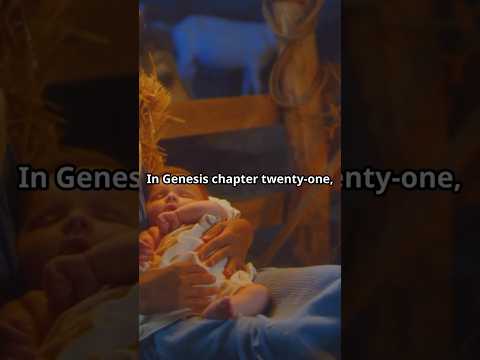
  • Genesis 21: When Isaac Was Born to Sarah and Abraham.

    Genesis 21 — When Isaac Was Born to Sarah and Abraham | God’s Promise Fulfilled.
    Genesis 21: When Isaac Was Born to Sarah and Abraham.

    Genesis 21: When Isaac Was Born to Sarah and Abraham.

    How Faith, Waiting, and God’s Promise Collide in a Single Moment


    The Waiting Season No One Wants

    Waiting tests even the strongest hearts. When God makes a promise, but time drags on, questions start to rise: Did I hear right? Did God forget?
    For Abraham and Sarah, the wait for a child stretched across decades. But in Genesis 21, something extraordinary happens: the long-awaited son is born.

    Sarah, once barren and in old age, gives birth to Isaac, whose name means “he laughs.” The name is no accident. It reflects not only joy—but the unbelievable nature of God’s work. At 90 years old, Sarah laughs not in doubt but in awe. God had remembered her.


    Genesis 21: The Fulfillment of a Divine Covenant

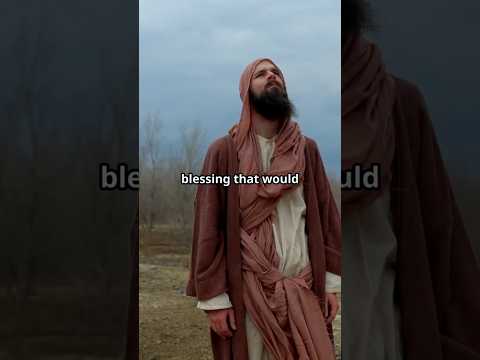
    Genesis 21 isn’t just about the birth of a child. It’s about a promise fulfilled, a covenant realized. Back in earlier chapters, God had promised Abraham descendants as numerous as the stars. But time kept passing—and no son came.

    Now, in Abraham’s 100th year, that promise comes to life. Isaac’s birth marks a turning point not only for Abraham’s family but for the entire biblical narrative. From this child, a nation will be born—Israel.

    This chapter reminds us that when God speaks, delay does not mean denial. His timeline may not match ours, but it is always on time.


    The Power of a Laugh

    Sarah’s laugh is more than a reaction—it’s a prophecy. Her laughter becomes the name of her son, and her story echoes through time as a witness to God’s ability to do the impossible.

    How many of us have laughed at the idea that our circumstances could change? That God could bring life into something that looks dead? That joy could rise where grief once ruled?

    Genesis 21 says yes. Yes, He can. Yes, He will. Yes, He does.


    Lessons from Genesis 21 for Today

    Even though this story is ancient, the spiritual truth is timeless. Here’s what we learn:

    • God doesn’t forget promises
      – Even if it takes years, what He speaks will come to pass.
    • Faith requires endurance
      – Abraham and Sarah weren’t perfect, but they held on.
    • Joy follows obedience
      – When we trust the process, joy becomes our reward.
    • Nothing is impossible with God
      – Barren wombs, old age, and hopeless odds are no obstacle to Him.

    A Birth That Leads to a Nation

    The impact of Genesis 21 goes beyond Abraham’s tent. Isaac’s birth sets the stage for the rest of the Old Testament. Through Isaac comes Jacob, and through Jacob come the twelve tribes of Israel.

    This moment is not just a family milestone—it’s a spiritual legacy. The laughter that filled Sarah’s tent still echoes in every person who learns to trust God during a long night of waiting.


    You’re Not Forgotten—You’re Being Prepared

    Maybe you’re in a waiting season right now. Maybe you’ve been holding on to a promise for a long time, wondering if it will ever come to pass.

    Let Genesis 21 speak to your heart: God is not slow. He is not distant. He is shaping, preparing, and aligning everything for the moment when the promise arrives.

    When it does, you won’t just receive the blessing—you’ll understand the journey that led to it.


    Want More? Stay Connected.

    If this story moved you, subscribe to HolyThreadProject for more short-form Bible reflections, faith-building content, and spiritual insight drawn straight from Scripture.

    We believe the Bible isn’t just a book—it’s a thread that connects us to purpose, promise, and the presence of God.

    Genesis 21: When Isaac Was Born to Sarah and Abraham.
    Genesis 21: When Isaac Was Born to Sarah and Abraham.

    P.S.
    Laughed at the idea that God still moves? So did Sarah—right before He did the impossible.
    ✨ Subscribe to HolyThreadProject on YouTube for more moments like this—because the story isn’t over, and neither is yours.

    #Genesis21 #IsaacIsBorn #GodsPromise #FaithInGod #BibleStories #HolyThreadProject #AbrahamAndSarah #OldTestament #SpiritualGrowth #ChristianFaith

  • The Rainbow Covenant: God’s Promise in Genesis 9:8–17.

    The Rainbow Covenant: God’s Promise in Genesis 9:8–17 | A Sign of Eternal Grace.
    The Rainbow Covenant: God’s Promise in Genesis 9:8–17.

    The Rainbow Covenant: God’s Promise in Genesis 9:8–17.

    After the great flood, as the waters receded and the earth was renewed, God made a promise—not just to Noah, but to all of creation. This promise, known as the Rainbow Covenant, is one of the most beautiful and enduring symbols in all of Scripture. Found in Genesis 9:8–17, this passage marks a defining moment in biblical history: the first formal covenant between God and humanity.

    But what does this covenant mean today? And why did God choose a rainbow to represent it?


    God’s Covenant with Noah

    Genesis 9:8–17 recounts God’s words to Noah and his sons after they left the ark. God declares:

    “I now establish my covenant with you and with your descendants after you and with every living creature… Never again will there be a flood to destroy the earth.”
    (Genesis 9:9–11)

    This covenant—often called the Noahic Covenant—is unconditional. God is not asking for anything in return. He is simply making a promise, grounded in mercy, that He will never again wipe out life on earth by flood.


    The Rainbow as a Sign

    In this same passage, God introduces a powerful visual symbol to seal His covenant: the rainbow.

    “I have set my bow in the clouds, and it shall be a sign of the covenant between me and the earth.”
    (Genesis 9:13)

    The Hebrew word for “bow” (קֶשֶׁת qeshet) usually refers to a warrior’s bow. But here, it’s no longer an instrument of war—it’s suspended in the sky, pointing away from the earth, transformed into a symbol of peace and divine restraint. The rainbow is God’s reminder—to Himself and to us—that mercy now governs where judgment once ruled.


    Why This Covenant Still Matters

    The Rainbow Covenant isn’t just an ancient promise buried in the pages of Genesis. It’s a living reminder of God’s faithfulness, mercy, and love for all creation.

    In a world marked by chaos, violence, and spiritual confusion, the rainbow offers hope. It reminds us that even after seasons of judgment, restoration is possible. God is not distant. He remembers, He redeems, and He keeps His promises.

    For believers today, this covenant also points forward—to even greater covenants in Scripture. The Mosaic Covenant would follow, then the New Covenant through Christ. But it all begins here: with a rainbow stretched across the sky.


    A Symbol for Every Generation

    God says this covenant is for “every living creature” and “for all generations to come.” That means it’s not just a promise to Noah, but to you and me.

    We may not face global floods, but we all weather personal storms. The Rainbow Covenant tells us those storms are not the end of the story. The same God who judged the earth also promised never to destroy it in that way again—and set a rainbow in the sky to prove it.

    It’s a divine thread woven through time: from creation, through covenant, into redemption.


    Final Reflection

    The Rainbow Covenant in Genesis 9:8–17 is more than a symbol—it’s a signature. A divine seal on a sacred promise. It reveals God’s heart: patient, merciful, and committed to preserving life.

    So the next time you see a rainbow, don’t just admire its beauty. Remember what it means—that God keeps His word, that judgment has limits, and that mercy triumphs.

    The Rainbow Covenant: God’s Promise in Genesis 9:8–17.
    The Rainbow Covenant: God’s Promise in Genesis 9:8–17.

    P.S.

    If this reflection on the Rainbow Covenant inspired you, consider subscribing to HolyThreadProject on YouTube for more Scripture-based insights, spiritual symbolism, and short-form Bible teachings woven with timeless truth.

    #RainbowCovenant #GodsPromise #Genesis9 #NoahicCovenant #BibleStudy #BiblicalSymbolism #FaithReflection #ScriptureWisdom #HolyThreadProject #CovenantOfGod

  • The Blame Game in Genesis 3:11–13 – Adam, Eve, and the Fall.

    The Blame Game | Genesis 3:11–13 Explained – Adam, Eve, and the Cost of Excuses.
    The Blame Game in Genesis 3:11–13 – Adam, Eve, and the Fall.

    The Blame Game in Genesis 3:11–13 – Adam, Eve, and the Fall.

    In Genesis 3:11–13, we encounter one of the most powerful and revealing moments in all of Scripture: the origin of blame. After Adam and Eve disobey God by eating from the Tree of the Knowledge of Good and Evil, God confronts them—not with wrath, but with a question: “Who told you that you were naked? Have you eaten from the tree I commanded you not to eat from?”

    What follows isn’t confession. It’s deflection.

    Adam and Eve: The First Players in the Blame Game

    Adam immediately shifts the blame: “The woman you put here with me—she gave me some fruit from the tree, and I ate it.”
    Eve follows suit: “The serpent deceived me, and I ate.”

    This moment marks the first time in the biblical narrative where humanity tries to escape responsibility. And it reveals a deeper issue that still haunts us today: the fear of owning our mistakes.

    In this short passage, we see how blame becomes a defense mechanism. Rather than face the consequences or admit wrongdoing, Adam and Eve try to shift attention away from themselves. It’s the original blame game—and we’ve been playing it ever since.

    Why Genesis 3:11–13 Still Speaks Today

    This story isn’t just ancient history. It’s a mirror. From relationships and family dynamics to workplace conflicts and public scandals, blame is everywhere. We’re quick to defend our image, slow to admit fault. But Genesis reminds us: hiding from truth doesn’t protect us—it separates us from grace.

    The Fall wasn’t just about disobedience; it was also about dishonesty. Adam and Eve failed to confess, and that failure deepened the rupture between humanity and God. This spiritual pattern remains true today. Healing begins where honesty starts.

    The Spiritual Cost of Blame

    Blame feels safe in the moment. It helps us deflect shame, avoid consequences, and protect our pride. But over time, it isolates us from accountability, from growth, and from others. Even worse, it blocks us from the grace of God, which flows most freely when we come to Him in truth.

    The Gospel teaches us that confession leads to healing. But confession takes courage. It requires us to say, “Yes, I messed up.” That’s not easy—but it’s essential for transformation.

    Lessons from the Garden

    So what can we learn from Genesis 3:11–13?

    1. Blame is instinctive—but not redemptive. It might be our first reaction, but it doesn’t solve anything.
    2. God’s questions invite honesty. He already knows the truth. He asks so we can face it ourselves.
    3. Responsibility is the beginning of redemption. The road back to God always begins with truth-telling.
    4. Fear and shame fuel blame. When we feel exposed, our instinct is to cover it up—just like Adam and Eve.
    5. Grace meets us in confession. God isn’t waiting to crush us. He’s waiting to restore us.

    From Blame to Breakthrough

    It’s easy to point fingers—at our spouse, our parents, our past, even God. But real growth begins when we stop blaming and start owning. Genesis 3 invites us to shift the narrative. Instead of saying “She made me do it” or “It’s not my fault,” we’re called to say, “Lord, I’ve fallen short. Help me rise again.”

    Because the truth is, God isn’t shocked by our failure. He’s ready to redeem it. But first, we have to step out from hiding.


    Final Thoughts

    The blame game might be ancient, but it’s still alive in us today. Thankfully, so is God’s grace. In every moment of failure, He’s not asking for perfection—just honesty. When we stop blaming and start confessing, we discover that the path back to wholeness was never blocked… it was only waiting.

    The Blame Game in Genesis 3:11–13 – Adam, Eve, and the Fall.
    The Blame Game in Genesis 3:11–13 – Adam, Eve, and the Fall.

    Want more truth in under a minute?
    Subscribe to HolyThreadProject on YouTube for Bible Shorts, faith reflections, and spiritual insights rooted in Scripture.


    P.S. The blame game may feel safe, but freedom begins when we stop playing and start owning.

    #Genesis #BlameGame #HolyThreadProject