Tag: Lessons from Exodus

  • Exodus 27—The Altar of Burnt Offering and Court of Worship.

    Exodus 27 Explained | The Altar of Burnt Offering and the Outer Court of Worship.
    Exodus 27—The Altar of Burnt Offering and Court of Worship.

    Exodus 27—The Altar of Burnt Offering and Court of Worship.

    The book of Exodus is filled with detailed instructions about how God desired His people to build and maintain a sacred dwelling. Each chapter builds upon the last, guiding Israel from the Ark of the Covenant to the coverings of the Tabernacle, and finally to the spaces where worship and sacrifice would take place. In Exodus 27, we encounter the altar of burnt offering and the courtyard that framed the holy sanctuary. At first glance, these technical descriptions may seem repetitive, but they carry powerful symbolism about reverence, sacrifice, and God’s presence among His people.

    The Altar of Burnt Offering

    The chapter begins with instructions for constructing the altar. It was to be made of acacia wood, overlaid with bronze, and fitted with horns on its four corners. Rings and poles allowed it to be carried when the people moved. This design ensured that the altar was both holy and portable, reflecting God’s presence journeying with His people. Sacrifices offered here symbolized atonement, devotion, and fellowship with the divine.

    For Israel, the altar was not merely furniture but a daily reminder that approaching God required humility and sacrifice. The bronze overlay symbolized strength and endurance, emphasizing that worship was weighty and sacred.

    The Courtyard of Worship

    After the altar, Exodus 27 turns to the courtyard itself. Fine linen hangings formed a boundary that set the sacred apart from the ordinary. Within this enclosure, the people could gather in reverence, knowing they were entering holy ground. The entrance, marked with specially woven curtains, highlighted that fellowship with God always required a designated way of approach.

    The courtyard underscored God’s holiness while still welcoming His people into relationship. It was open enough to invite participation yet ordered enough to remind Israel of the seriousness of worship.

    The Oil for the Lampstand

    The chapter concludes with instructions for pure olive oil to keep the lampstand burning continually. This detail ensured that the sanctuary was never left in darkness, symbolizing God’s constant presence and guidance. Even this small act revealed that worship was not seasonal or occasional—it was ongoing and enduring.

    Lessons for Today

    Although the details of wood, bronze, and linen may seem distant, Exodus 27 carries lessons that resonate in every generation:

    • Sacrifice matters: Genuine worship requires giving of ourselves—our time, resources, and devotion.
    • Boundaries teach holiness: The courtyard walls remind us to treat God’s presence with reverence.
    • Light must continue: The burning lamps symbolize keeping faith alive, not just on special days but daily.
    • God is present in the details: Even measurements and materials reveal His desire for order and meaning.

    Connecting the Chapters

    Exodus 25 focused on the Ark, Exodus 26 on the coverings and structure, and Exodus 27 brings us to the altar and courtyard. Each chapter unfolds another layer of God’s plan to dwell among His people. Together, they show a God who is not distant but near—yet always holy.

    Conclusion

    The altar of burnt offering and the courtyard in Exodus 27 remind us that worship is intentional, reverent, and continuous. The people of Israel could not simply approach God casually; they needed sacrifice, boundaries, and light. Today, while we no longer bring offerings to a bronze altar, the principles remain: our worship should reflect humility, respect, and devotion to a God who longs to dwell among His people.

    By reflecting on these details, we see that even the most technical instructions in Scripture carry profound meaning. They remind us that God is present not only in grand events but also in the smallest acts of faith and obedience.

    Exodus 27—The Altar of Burnt Offering and Court of Worship.
    Exodus 27—The Altar of Burnt Offering and Court of Worship.

    PS: If you enjoyed this reflection, don’t forget to subscribe to HolyThreadProject on YouTube for more Bible study insights and timeless lessons from Scripture.

    #Exodus27 #BibleStudy #HolyThreadProject #ScriptureShorts #BibleStories #FaithLessons #OldTestament #ChristianShorts

  • Exodus 26—The Curtains, Coverings, and Structure of Worship.

    Exodus 26 Explained | The Sacred Curtains, Coverings, and Structure of Worship.
    Exodus 26—The Curtains, Coverings, and Structure of Worship.

    Exodus 26—The Curtains, Coverings, and Structure of Worship.

    The book of Exodus is filled with rich detail about God’s covenant with His people, and one of the most intriguing chapters is Exodus 26. This passage describes the careful construction of the sacred dwelling, focusing on the curtains, coverings, and frames that formed the Tabernacle. At first glance, these technical instructions may seem like ancient blueprints, but they carry powerful lessons about holiness, worship, and God’s desire to dwell among His people.

    The Curtains and Coverings

    In Exodus 26, the Lord instructs Moses to use scarlet, purple, and fine linen to create beautiful curtains. These were not merely decorations but visual reminders of separation between what is common and what is holy. The coverings, made from goat hair and other materials, formed layers of protection over the sacred space. Together, the curtains and coverings created a dwelling set apart, reminding Israel that God’s presence is both near and sacred.

    The Frames and Structure

    Beyond the fabrics, the chapter describes wooden frames of acacia and the clasps and loops that held everything together. These details symbolized stability, order, and divine precision. Every measurement mattered. The care with which the structure was assembled shows that God values intentionality in worship and expects His people to approach Him with reverence.

    The Meaning Behind the Details

    It is easy to skim through verses filled with measurements and materials, but Exodus 26 reveals a deeper truth: worship is not haphazard. God’s instructions teach us that both the physical and spiritual aspects of worship are meant to reflect His holiness. Just as Israel followed God’s blueprint for the Tabernacle, believers today are called to order their lives according to His Word.

    Lessons for Today

    Though the Tabernacle is no longer with us, the lessons endure. The chapter reminds us that:

    • Details matter: Small acts of obedience carry great spiritual weight.
    • Holiness requires separation: The layers of curtains and coverings remind us to set our hearts apart for God.
    • Structure is essential: Faith flourishes when built on God’s design, not human improvisation.

    Connecting Exodus 25 and 26

    The previous chapter, Exodus 25, focused on the Ark of the Covenant, the central symbol of God’s presence. Exodus 26 builds around that holy center, showing that God not only gives His people His presence but also the proper environment in which to honor Him. Together, these chapters highlight both the intimacy and the reverence of divine worship.

    Conclusion

    While the details of measurements, fabrics, and wooden frames may seem distant, the message of Exodus 26 remains timeless. God cares about how His people approach Him. The curtains, coverings, and structure of the Tabernacle reveal that holiness is not accidental—it is intentional, ordered, and rooted in obedience. For modern believers, this means living thoughtfully, worshiping reverently, and remembering that our lives are also dwelling places of God’s Spirit.

    The next time you read through these verses, consider not just the physical description but the spiritual symbolism. In the careful construction of the Tabernacle, we glimpse a God who longs to dwell with His people and guide them into holiness.

    Exodus 26—The Curtains, Coverings, and Structure of Worship.
    Exodus 26—The Curtains, Coverings, and Structure of Worship.

    PS: If you enjoyed reflecting on Exodus 26, don’t forget to subscribe to HolyThreadProject on YouTube for more Bible study insights and timeless lessons from Scripture.

    Remember: The Tabernacle was more than fabric and wood—it was a living reminder that God desires to dwell with His people. In the same way, our lives today are called to be sanctuaries of His presence, built with intention, holiness, and reverence.

    #Exodus26 #BibleStudy #HolyThreadProject #ScriptureShorts #BibleStories #FaithLessons #OldTestament #ChristianShorts
  • Exodus 6 – Moses and Aaron Before Pharaoh | Bible Story.

    Exodus 6 – Moses and Aaron Before Pharaoh | God’s Promise of Deliverance | Bible Story.
    Exodus 6 – Moses and Aaron Before Pharaoh | Bible Story.

    Exodus 6 – Moses and Aaron Before Pharaoh | Bible Story.

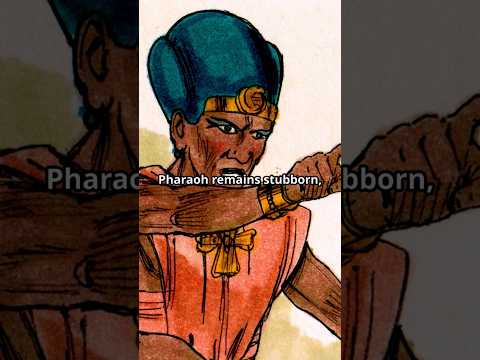
    The story of Exodus 6 is a pivotal moment in the Bible. It reveals God’s covenant promise to His people and His plan to deliver them from bondage in Egypt. While Pharaoh remains stubborn, God strengthens Moses and Aaron, preparing them to stand once again before the most powerful ruler of their time. This passage is not only about Israel’s liberation but also about the faith required to trust God when circumstances appear impossible.

    God’s Covenant Remembered

    In Exodus 6, God reminds Moses of the covenant He made with Abraham, Isaac, and Jacob. This promise was not a temporary agreement but an eternal commitment. He declares that He has heard the groaning of the Israelites under slavery and that He will act with a mighty hand. The covenant theme assures believers that God never forgets His word. Even when His people doubt or despair, His promises remain unbroken.

    This part of the chapter also reveals God’s heart for justice. He is not a distant observer but an active deliverer who hears the cries of the oppressed. That reminder resonates today: in moments when injustice feels overwhelming, the covenantal God still sees, hears, and responds.

    Moses’ Doubt and God’s Reassurance

    The chapter also highlights Moses’ struggle. Despite witnessing God’s power, Moses feels inadequate, describing himself as having “uncircumcised lips.” His doubt reflects the human tendency to focus on weakness instead of God’s strength. Yet God responds not with frustration but with reassurance. He commands Moses and Aaron to return to Pharaoh, showing that His mission does not depend on human eloquence but on divine authority.

    This interaction is important for modern readers who wrestle with self-doubt. God’s call is often bigger than our abilities, but He provides the courage, words, and strength to accomplish His purposes. Moses’ weakness did not disqualify him; rather, it became the stage for God’s power.

    The Hardness of Pharaoh’s Heart

    A key theme of Exodus 6 is Pharaoh’s hardened heart. Though Pharaoh is a symbol of resistance, his defiance becomes the backdrop against which God’s glory is revealed. Deliverance often comes after opposition, and this story reminds us that trials can serve as the stage for God’s power to shine. For modern readers, Pharaoh represents the obstacles in life that seem immovable, yet cannot stand against God’s will.

    Even when resistance seems endless, God’s plan continues. What looks like delay is often preparation for greater deliverance. This teaches patience, perseverance, and a long view of God’s work in history.

    Lessons for Today

    The story of Exodus 6 carries practical lessons for today’s world. It teaches us that God’s promises stand firm even when life feels overwhelming. Doubt, fear, and resistance are natural, but they do not cancel God’s plan. Moses and Aaron’s obedience shows that faith is not the absence of fear, but the willingness to act despite it.

    For those facing challenges today—whether in family, work, or health—this passage offers reassurance. God’s promises anchor us when circumstances shake us. Trusting Him does not mean struggles disappear, but it means we walk through them with confidence in His presence and power.

    Conclusion

    Exodus 6 is more than an ancient story; it is a timeless message of covenant, courage, and trust in God’s promises. By reminding Moses of His covenant, God assures all generations that His word never fails. Moses’ doubt, Aaron’s support, and Pharaoh’s opposition all combine to reveal a deeper truth: God is sovereign, and His plan will prevail.

    For modern believers, the lesson is clear—when doubt whispers and challenges roar, hold fast to God’s word. Just as He delivered Israel from Egypt, He remains the same faithful God who delivers today.

    At Your Wisdom Vault, we share stories like this to inspire reflection and faith. Let Exodus 6 remind you that God’s promises are unshakable, and His power is greater than any obstacle.

    Exodus 6 – Moses and Aaron Before Pharaoh | Bible Story.
    Exodus 6 – Moses and Aaron Before Pharaoh | Bible Story.

    PS: If this story spoke to you, don’t miss future wisdom and insights. Subscribe to HolyThreadProject on YouTube for more Bible stories and timeless lessons. 🙏

    #Exodus6 #BibleStory #Faith #GodsPromise #OldTestament #YourWisdomVault

  • Exodus 4: God Calls Moses at the Burning Bush | Bible Story.

    Exodus 4: God Calls Moses at the Burning Bush | Bible Story of Purpose.
    Exodus 4: God Calls Moses at the Burning Bush | Bible Story.

    Exodus 4: God Calls Moses at the Burning Bush | Bible Story.

    Few passages in the Bible are as dramatic and meaningful as the account of Moses’ call. The burning bush has become a symbol of divine presence, courage, and obedience. In the middle of the wilderness, God interrupted the ordinary life of a shepherd and set in motion a plan that would change history. The chapter of Exodus 4 shows how God equips the hesitant, answers fear with reassurance, and gives power to the one who feels unqualified. It is more than an ancient story; it is a lesson for anyone who has wrestled with doubt when facing a calling.

    The Setting of the Burning Bush

    Moses had fled Egypt years earlier and was living quietly, tending sheep for his father-in-law. While caring for the flock, he encountered a bush that burned without being consumed. From this miraculous sign, God spoke, calling him to confront Pharaoh and lead Israel out of slavery. By the time we reach Exodus 4, the dialogue between God and Moses reveals deep human reluctance. Moses is hesitant, uncertain, and painfully aware of his shortcomings.

    Moses’ Doubts and God’s Reassurance

    Moses questioned almost everything: What if the Israelites did not believe him? What if Pharaoh rejected him? What about his weakness in speech? God responded with patience, reminding him that the Creator of mouths and minds would give him the words he needed. The heart of Exodus 4 is the message that God does not choose leaders because of perfection but because of willingness. He equips those who step forward in faith, even if their faith feels fragile.

    The Miraculous Signs

    To strengthen Moses, God provided signs. First, the staff in his hand became a serpent and then returned to wood. Second, his hand turned leprous and was instantly healed. Finally, he was told that water from the Nile could be turned into blood. These signs in Exodus 4 were not mere demonstrations of power but visible proofs of God’s authority. They reassured Moses and gave him the confidence to face Pharaoh, while also proving to the Israelites that God Himself was sending him.

    Key Lessons from the Story

    This chapter offers timeless lessons that speak across cultures and centuries:

    • God uses the hesitant. Moses’ fears mirror our own, yet God shows that weakness is no obstacle to His plan.
    • Obedience unlocks transformation. Though reluctant, Moses eventually obeyed, and his “yes” changed history.
    • God equips the called. The miracles of Exodus 4 prove that God supplies the tools for the mission.
    • Patience and compassion matter. God’s gentle responses show that He understands human frailty and walks with us in our doubts.

    Modern Relevance of Exodus 4

    Today, many people struggle with feelings of inadequacy when facing responsibility. Some fear leadership, others doubt their abilities, and still more hesitate to step into roles where they feel unprepared. The reassurance of Exodus 4 is that God’s presence outweighs personal fear. Just as Moses learned, we too can trust that God equips us for the tasks He calls us to.

    For leaders in business, parents guiding families, or students facing new challenges, the same principle applies: God’s strength is perfected in weakness. Courage grows when we recognize that we do not walk alone.

    Conclusion

    The calling of Moses at the burning bush is more than an ancient story—it is a guide for today. God transforms ordinary people into instruments of extraordinary change. By reflecting on the events of Exodus 4, we are encouraged to respond to God’s calling with humility and faith.

    Moses’ journey reminds us that hesitation does not disqualify us. What matters is trust in God’s presence, which empowers us to step forward with courage. The promise that “I will be with you” remains as true now as it was in the wilderness thousands of years ago.

    Exodus 4: God Calls Moses at the Burning Bush | Bible Story.
    Exodus 4: God Calls Moses at the Burning Bush | Bible Story.

    P.S. If this story encouraged you, be sure to subscribe to HolyThreadProject on YouTube for more powerful Bible stories, lessons of faith, and timeless wisdom. 🙏✨

    #Exodus4 #BurningBush #Moses #BibleStories #GodsCalling #ChristianFaith #HolyThreadProject #OldTestament #BibleLessons #ChristianInspiration

  • Exodus 1 | Israelites Oppressed in Egypt | Bible Explained.

    Exodus 1 Explained: Israelites Oppressed in Egypt | Bible Story Insight.
    Exodus 1 | Israelites Oppressed in Egypt | Bible Explained.

    Exodus 1 | Israelites Oppressed in Egypt | Bible Explained.

    The Book of Exodus begins with a dramatic shift in the story of God’s people. After the death of Joseph, who once saved Egypt from famine, a new pharaoh rose to power. This ruler did not remember Joseph’s wisdom or his contribution to the nation. Instead, he feared the growing strength of the Israelites. Exodus 1 opens not with peace but with oppression, setting the stage for one of the greatest stories of deliverance in Scripture.

    The Israelites Multiply in Egypt

    Exodus 1 describes how the Israelites, once welcomed, became viewed as a threat. The text explains that the people were fruitful and multiplied greatly, filling the land. Their numbers grew so large that Pharaoh worried they might join Egypt’s enemies in case of war. Fear took root in the king’s heart, and he decided to enslave them.

    This chapter shows a timeless truth: when fear rules, injustice often follows. Pharaoh’s insecurity turned into harsh labor and bitter bondage for the Israelites. Yet the more they were oppressed, the more they increased. Human cruelty could not stop God’s blessing.

    Oppression as a Tool of Control

    The strategy of Pharaoh in Exodus 1 was clear—use oppression to control. He set taskmasters over the Israelites, forcing them into hard labor, building cities, and carrying heavy burdens. His goal was to break their spirit and slow their growth. But the opposite happened. The people remained strong, their numbers continued to rise, and the Egyptians grew more alarmed.

    This passage highlights how oppression rarely achieves the outcome rulers desire. Instead of crushing a people, it typically strengthens their resolve and identity.

    God’s Promise Remains Unbroken

    One of the most powerful lessons of Exodus 1 is that no human plan can undo God’s promise. Long before Egypt enslaved the Israelites, God had told Abraham that his descendants would be as numerous as the stars. Pharaoh’s attempt to erase that promise failed. In fact, his cruelty only pushed the story of deliverance forward, preparing the way for Moses and the great journey out of Egypt.

    This truth speaks to us today: even in seasons of hardship, God’s purposes remain steady.

    Lessons for Today

    The message of Exodus 1 still resonates in modern life. We may not face the slavery of ancient Egypt, but fear, injustice, and oppression still exist in many forms. This passage reminds us that:

    • Fear can distort judgment and lead to harm.
    • Oppression cannot silence truth or hope.
    • Faith keeps people alive even in dark seasons.
    • God’s promises endure beyond human schemes.

    When we read this chapter, we are invited to reflect on how we respond to fear. Do we let it turn into cruelty, or do we seek wisdom and faith?

    Conclusion

    Exodus 1 is more than a historical account; it is a mirror showing how fear shapes actions and how God’s plan outlasts human power. The Israelites suffered under Pharaoh’s harsh rule, yet their story did not end there. Instead, their struggle became the foundation for one of the most powerful narratives in the Bible—their deliverance from Egypt.

    This opening chapter sets the tone for the entire book of Exodus. It reminds us that oppression may rise, but God’s promise remains firm. Even in suffering, hope is alive, and faith points the way to freedom.

    Exodus 1 | Israelites Oppressed in Egypt | Bible Explained.
    Exodus 1 | Israelites Oppressed in Egypt | Bible Explained.

    P.S. If you found insight in this story, don’t miss the rest of our journey through Exodus. Be sure to subscribe to HolyThreadProject on YouTube for more Bible explained content and timeless lessons of faith. 🙏

    #Exodus1 #Exodus #BibleExplained #BibleStories #Faith #LifeLessons #Scripture #Wisdom #SpiritualGrowth #Shorts