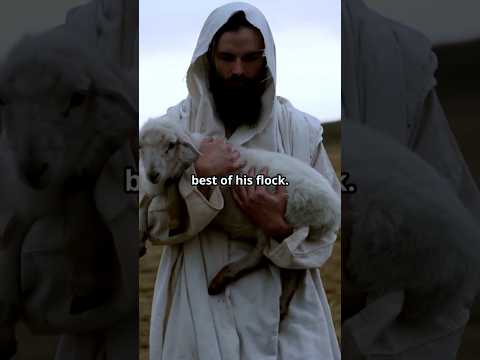
Tag: Lessons from Genesis

  • Genesis 42 Explained | Joseph’s Brothers Come to Egypt.

    Genesis 42 Explained | Joseph’s Brothers Come to Egypt Seeking Grain and Grace.
    Genesis 42 Explained | Joseph’s Brothers Come to Egypt.

    Genesis 42 Explained | Joseph’s Brothers Come to Egypt.

    The book of Genesis is filled with drama, family tension, and divine purpose. Among its most powerful chapters is Genesis 42, where the story of Joseph and his brothers reaches a new turning point. This moment is more than a family reunion—it is a test of character, a revelation of conscience, and a reminder that God’s plans unfold even through hardship.

    The Famine and the Journey to Egypt

    By this stage in the narrative, famine has spread across the region. Jacob, the aging father of Israel’s tribes, is forced to send his sons to Egypt searching for food. They have no idea that the man who controls the grain supply is their brother Joseph, once betrayed and sold into slavery. The tension builds as the past and present collide.

    When the brothers arrive, they bow before Joseph, fulfilling the very dreams they had once mocked. For readers of Genesis 42, this detail is a powerful reminder that God’s word always comes to pass, even if the timing is unexpected.

    Joseph’s Hidden Identity

    Joseph recognizes his brothers instantly, but they do not recognize him. Instead of revealing himself, he decides to test them. He accuses them of being spies and demands they prove their honesty by bringing their youngest brother, Benjamin, to Egypt. This strategy is not fueled by cruelty but by discernment. Joseph longs to see whether his brothers have truly changed since the day they sold him.

    This hidden identity adds depth to Genesis 42. It is a story about second chances, but it is also about accountability. Forgiveness may be offered, but transformation must be demonstrated.

    The Brothers’ Guilt and Fear

    The weight of their past betrayal finally presses on the brothers. They whisper among themselves, confessing that their present suffering might be punishment for what they did to Joseph years earlier. This acknowledgment of guilt is one of the most moving parts of the chapter. They do not know Joseph understands their language, and so their honesty is raw and unfiltered.

    Here, Genesis 42 reveals the power of conscience. Even when buried, guilt lingers until it is confronted. The brothers’ fear shows us that actions carry consequences, and repentance often begins with recognizing past wrongs.

    Lessons for Today

    The chapter is not just ancient history—it speaks directly to modern readers. How often do we, like Joseph’s brothers, carry hidden guilt or avoid confronting past mistakes? The story encourages honesty, reconciliation, and trust in God’s timing.

    We also see Joseph as a model of patience. Though he had every right to expose his brothers immediately, he waits for the right moment. This patience teaches us that discernment is as important as forgiveness. Sometimes healing requires process, not haste.

    Why Genesis 42 Matters

    At its core, Genesis 42 demonstrates the unseen hand of God guiding human events. What began as betrayal is turning into salvation, not only for Joseph’s family but also for countless others who depend on Egypt’s grain. It reminds us that God can redeem even the darkest chapters of our lives.

    The passage also emphasizes that family wounds can be healed, but not without truth. Joseph’s brothers had to face their past, acknowledge their guilt, and prove their integrity before reconciliation could begin.

    Conclusion

    The story of Joseph and his brothers in Genesis 42 is a tale of providence, conscience, and transformation. It reminds us that God’s purposes often unfold in ways we cannot predict. Betrayal led to slavery, slavery led to power, and power opened the door to forgiveness.

    For readers today, the lesson is clear: no matter how broken a relationship or heavy a guilt, God’s plan can bring restoration. Genesis teaches us that peace begins with honesty, and healing begins with trust in God’s timing.

    Genesis 42 Explained | Joseph’s Brothers Come to Egypt.
    Genesis 42 Explained | Joseph’s Brothers Come to Egypt.

    P.S. If this reflection on Genesis inspires you, subscribe to HolyThreadProject on YouTube for more Bible stories, insights, and timeless lessons each week.

    #Genesis42 #BibleStories #HolyThreadProject #Faith #ScriptureExplained
  • Genesis 30 Bible Story: Children, Strife, and God’s Plan.

    Genesis 30 Bible Story: Children, Strife, and God’s Plan of Promise Fulfilled.
    Genesis 30 Bible Story: Children, Strife, and God’s Plan.

    Genesis 30 Bible Story: Children, Strife, and God’s Plan.

    The Bible doesn’t shy away from showing the messy realities of human life. Relationships can be complicated, emotions can run high, and faith can be tested. Genesis 30 is a striking example—a chapter filled with rivalry, longing, and the unfolding of God’s plan through very imperfect people.

    This story is not only a part of ancient history but also a mirror that reflects the struggles we face today. Jealousy, competition, and the desire for approval remain universal human experiences. Yet, in the midst of such strife, God’s purposes quietly move forward.

    The Family Conflict

    In Genesis 30, Jacob is caught between two wives—Rachel and Leah—whose relationship is defined by rivalry. Leah has given Jacob several sons, while Rachel remains barren. In a culture where children were considered a sign of divine favor, Rachel’s longing turns into desperation.

    Rachel offers her maid Bilhah to Jacob, hoping to have children through her. Leah responds by offering her maid Zilpah, and the pattern of competition continues. The births that follow—sons born to four different women—create a tangled web of relationships that will later become the foundation of the twelve tribes of Israel.

    Lessons on Human Nature

    This chapter reveals that people often seek fulfillment through competition, control, or manipulation. Both Rachel and Leah struggle to find contentment, defining their worth through their ability to bear children. In our modern lives, the symbols may change—careers, possessions, recognition—but the underlying drive for validation remains the same.

    God’s Work in Imperfect Lives

    Even amid jealousy and conflict, God’s larger plan is quietly unfolding. The sons born in Genesis 30 are not random; each will play a role in Israel’s history. This reminds us that God can use even flawed circumstances to bring about His purposes.

    From a faith perspective, this is deeply reassuring. We may believe that our mistakes, rivalries, or pain can derail God’s plan, but Scripture consistently shows the opposite. Our human failures do not block His faithfulness.

    Practical Applications Today

    The account in Genesis 30 offers timeless wisdom:

    1. Avoid comparison—measuring yourself against others breeds discontent.
    2. Trust God’s timing—Rachel’s eventual blessing came later, reminding us that delays are not denials.
    3. See beyond the conflict—God may be working in ways we cannot yet see.
    4. Redefine worth—value is not found in achievement but in being loved by God.

    The Bigger Picture

    By the end of Genesis 30, we see a family that is far from perfect, yet chosen for a divine purpose. The chapter foreshadows God’s pattern throughout Scripture—working through unlikely people to accomplish great things.

    Jacob’s household, marked by rivalry and strife, will become the foundation of a nation. It’s a reminder that your current season, no matter how messy, may be a building block in something far greater than you imagine.

    Conclusion

    The story of Genesis 30 invites us to look at our lives with honesty and hope. Rivalry, unmet desires, and complicated relationships are part of the human story—but they are not the whole story. God’s plan is not fragile; it weaves through every circumstance, using even our weaknesses for good.

    Whether you see yourself in Rachel’s longing, Leah’s pain, or Jacob’s tension, the message is the same: you are part of something bigger. Trust the process, stay faithful, and remember that God’s purposes are always at work.

    Genesis 30 Bible Story: Children, Strife, and God’s Plan.
    Genesis 30 Bible Story: Children, Strife, and God’s Plan.

    PS: If this message from Genesis 30 encouraged your faith, subscribe to HolyThreadProject on YouTube for more Bible insights and timeless lessons from God’s Word.

    #BibleStory #Genesis30 #GodsPlan #BibleLessons #ScriptureStudy #FaithInGod #OldTestament #BiblicalWisdom #TrustGod #BibleInspiration

  • Cain and Abel | Genesis 4:1-2 Bible Story | HolyThreadProject.

    Cain and Abel | Genesis 4:1-2 Bible Story | Jealousy, Worship, and Humanity’s Heart.
    Cain and Abel | Genesis 4:1-2 Bible Story | HolyThreadProject.

    Cain and Abel | Genesis 4:1-2 Bible Story | HolyThreadProject.

    The story of Cain and Abel is one of the earliest—and most heartbreaking—accounts in the Bible. Found in Genesis 4:1-2, this short passage packs timeless truths about human nature, worship, jealousy, and choices. At HolyThreadProject, we’ve retold this iconic Bible story in under a minute to help modern audiences experience the weight and message of Scripture in a fresh and engaging way.

    Two Brothers, Two Offerings

    Cain and Abel were the first children born to Adam and Eve. Cain became a farmer, working the soil, while Abel was a shepherd who raised flocks. Both brothers brought offerings to the Lord—Cain brought crops, and Abel brought the firstborn of his flock.

    At first glance, it might seem like both offerings were good. But Genesis 4 makes it clear: God looked with favor on Abel’s offering, but not Cain’s. Why? The Bible hints that Abel brought his “first and best,” while Cain brought “some” of his produce. This was not just about what was given—but the heart behind the gift.

    The Root of Rejection: Attitude Matters

    This passage reminds us that God sees beyond the surface. He looks at the intent behind our worship. Abel’s offering reflected faith, devotion, and a heart to honor God. Cain’s, on the other hand, was likely routine—just a box checked off.

    When Cain’s offering was rejected, instead of reflecting and repenting, he grew angry. His jealousy toward Abel turned into bitterness—and that bitterness led to violence.

    Sin Is Crouching at the Door

    God, in His mercy, warned Cain. In Genesis 4:7, He tells him,
    “If you do what is right, will you not be accepted? But if you do not do what is right, sin is crouching at your door; it desires to have you, but you must rule over it.”

    This is one of the most powerful lines in the entire story. It shows that sin is always waiting, tempting us when we’re weak or wounded. But God calls us to rise above it—to master our emotions and choose righteousness.

    Cain had a choice. But he let jealousy win.

    The First Murder

    In a field, Cain lured Abel—and killed him. The first murder in human history was not a random act of violence but a spiritual and emotional breakdown fueled by comparison, rejection, and pride.

    When God confronted Cain, he answered coldly: “Am I my brother’s keeper?” This iconic line shows Cain’s refusal to take responsibility. But God, who saw everything, judged Cain and marked him—so he would be protected but never at peace.

    Why This Story Still Matters

    The story of Cain and Abel is not just ancient history. It speaks to all of us today.

    • Are we giving God our best—or just leftovers?
    • How do we respond when others are praised and we feel overlooked?
    • Do we deal with sin when it knocks—or do we let it in?

    This short Bible story teaches about honest worship, heart posture, and the consequences of unchecked emotion. It also reminds us that God offers a way out, even when we feel hurt or rejected.

    Watch the Short and Reflect

    We created this Bible short as part of the HolyThreadProject to help make Scripture feel real, visual, and impactful in under 60 seconds. Whether you’re a lifelong Christian or just beginning to explore the Bible, this video can spark reflection and conversation.

    👉 Subscribe to HolyThreadProject on YouTube to support more creative, visual Bible storytelling.

    Cain and Abel | Genesis 4:1-2 Bible Story | HolyThreadProject.
    Cain and Abel | Genesis 4:1-2 Bible Story | HolyThreadProject.

    Final Thoughts

    Cain and Abel may have lived thousands of years ago, but their choices mirror our struggles today. The question remains: Will we give God our best? Will we rule over sin—or let it rule us?

    We pray this story challenges and encourages you. Share it with someone who needs to hear it today.

    P.S.
    If this story spoke to you, don’t keep it to yourself—share it, bookmark it, and check out more powerful Bible moments brought to life by HolyThreadProject.

    #CainAndAbel #Genesis4 #BibleLessons #HolyThreadProject #FaithStories #ScriptureReflection #OldTestament #BibleTeaching #ChristianInspiration #BibleTruth