Tag: old testament bible stories

  • Exodus 6 – Moses and Aaron Before Pharaoh | Bible Story.

    Exodus 6 – Moses and Aaron Before Pharaoh | God’s Promise of Deliverance | Bible Story.
    Exodus 6 – Moses and Aaron Before Pharaoh | Bible Story.

    Exodus 6 – Moses and Aaron Before Pharaoh | Bible Story.

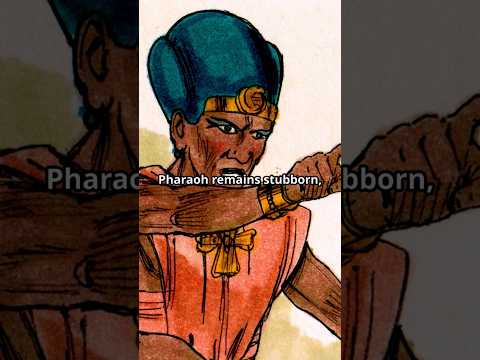
    The story of Exodus 6 is a pivotal moment in the Bible. It reveals God’s covenant promise to His people and His plan to deliver them from bondage in Egypt. While Pharaoh remains stubborn, God strengthens Moses and Aaron, preparing them to stand once again before the most powerful ruler of their time. This passage is not only about Israel’s liberation but also about the faith required to trust God when circumstances appear impossible.

    God’s Covenant Remembered

    In Exodus 6, God reminds Moses of the covenant He made with Abraham, Isaac, and Jacob. This promise was not a temporary agreement but an eternal commitment. He declares that He has heard the groaning of the Israelites under slavery and that He will act with a mighty hand. The covenant theme assures believers that God never forgets His word. Even when His people doubt or despair, His promises remain unbroken.

    This part of the chapter also reveals God’s heart for justice. He is not a distant observer but an active deliverer who hears the cries of the oppressed. That reminder resonates today: in moments when injustice feels overwhelming, the covenantal God still sees, hears, and responds.

    Moses’ Doubt and God’s Reassurance

    The chapter also highlights Moses’ struggle. Despite witnessing God’s power, Moses feels inadequate, describing himself as having “uncircumcised lips.” His doubt reflects the human tendency to focus on weakness instead of God’s strength. Yet God responds not with frustration but with reassurance. He commands Moses and Aaron to return to Pharaoh, showing that His mission does not depend on human eloquence but on divine authority.

    This interaction is important for modern readers who wrestle with self-doubt. God’s call is often bigger than our abilities, but He provides the courage, words, and strength to accomplish His purposes. Moses’ weakness did not disqualify him; rather, it became the stage for God’s power.

    The Hardness of Pharaoh’s Heart

    A key theme of Exodus 6 is Pharaoh’s hardened heart. Though Pharaoh is a symbol of resistance, his defiance becomes the backdrop against which God’s glory is revealed. Deliverance often comes after opposition, and this story reminds us that trials can serve as the stage for God’s power to shine. For modern readers, Pharaoh represents the obstacles in life that seem immovable, yet cannot stand against God’s will.

    Even when resistance seems endless, God’s plan continues. What looks like delay is often preparation for greater deliverance. This teaches patience, perseverance, and a long view of God’s work in history.

    Lessons for Today

    The story of Exodus 6 carries practical lessons for today’s world. It teaches us that God’s promises stand firm even when life feels overwhelming. Doubt, fear, and resistance are natural, but they do not cancel God’s plan. Moses and Aaron’s obedience shows that faith is not the absence of fear, but the willingness to act despite it.

    For those facing challenges today—whether in family, work, or health—this passage offers reassurance. God’s promises anchor us when circumstances shake us. Trusting Him does not mean struggles disappear, but it means we walk through them with confidence in His presence and power.

    Conclusion

    Exodus 6 is more than an ancient story; it is a timeless message of covenant, courage, and trust in God’s promises. By reminding Moses of His covenant, God assures all generations that His word never fails. Moses’ doubt, Aaron’s support, and Pharaoh’s opposition all combine to reveal a deeper truth: God is sovereign, and His plan will prevail.

    For modern believers, the lesson is clear—when doubt whispers and challenges roar, hold fast to God’s word. Just as He delivered Israel from Egypt, He remains the same faithful God who delivers today.

    At Your Wisdom Vault, we share stories like this to inspire reflection and faith. Let Exodus 6 remind you that God’s promises are unshakable, and His power is greater than any obstacle.

    Exodus 6 – Moses and Aaron Before Pharaoh | Bible Story.
    Exodus 6 – Moses and Aaron Before Pharaoh | Bible Story.

    PS: If this story spoke to you, don’t miss future wisdom and insights. Subscribe to HolyThreadProject on YouTube for more Bible stories and timeless lessons. 🙏

    #Exodus6 #BibleStory #Faith #GodsPromise #OldTestament #YourWisdomVault

  • Exodus 2: Birth & Early Life of Moses | Bible Story.

    Exodus 2: The Birth and Early Life of Moses | Bible Story Explained Fully.
    Exodus 2: Birth & Early Life of Moses | Bible Story Explained.

    Exodus 2: Birth & Early Life of Moses | Bible Story Explained.

    The story of Exodus 2 is one of the most dramatic and meaningful narratives in the Old Testament. It introduces the birth and early life of Moses, a child destined to become one of the greatest leaders in history. At the time, the Hebrew people lived under harsh oppression in Egypt, and Pharaoh had ordered that every newborn Hebrew boy be cast into the Nile. Against this backdrop of fear and suffering, God’s providence shines through the preservation of Moses.

    Historical Setting

    When Exodus 2 begins, the Israelites had been living in Egypt for generations. Their growing numbers worried Pharaoh, who enslaved them and issued cruel decrees meant to control their population. Yet even in this environment of hardship, a child was born who would change the course of Israel’s destiny. This context is important because it shows that God’s plans unfold even during the darkest times.

    The Birth of Moses

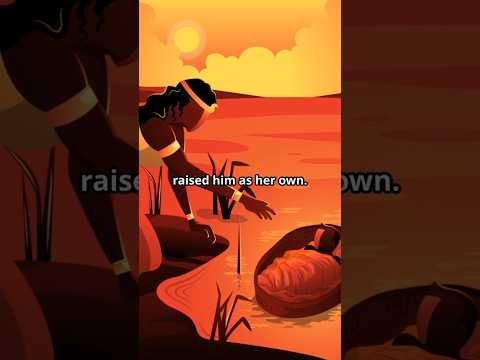
    Moses was born to Hebrew parents from the tribe of Levi. His mother recognized that he was a special child and hid him for three months, risking her life to protect him from Pharaoh’s decree. When she could no longer conceal him, she placed him in a carefully prepared basket coated with tar and pitch, then set it gently among the reeds of the Nile River. His sister Miriam watched from a distance, keeping a careful eye on what would happen.

    Pharaoh’s Daughter Finds Moses

    The turning point in Exodus 2 occurs when Pharaoh’s daughter discovers the baby in the basket. Moved with compassion, she recognized him as a Hebrew child yet chose to raise him as her own. With Miriam’s quick thinking, Moses’ own mother was called to nurse him, ensuring that he grew up with knowledge of his heritage before entering the royal household. This moment highlights God’s providence—using even Pharaoh’s family to preserve the future leader of Israel.

    Lessons from the Story

    The early life of Moses teaches several timeless lessons:

    • Courage in adversity: His parents displayed great faith by defying Pharaoh’s command.
    • Providence in action: Even when the situation looked hopeless, God provided a way.
    • Leadership beginnings: The future deliverer of Israel was preserved through unlikely circumstances.
    • Compassion matters: Pharaoh’s daughter decided mercy over obedience to her father’s decree.

    These themes remind us that God often works through ordinary people and unexpected events to bring about extraordinary outcomes.

    Modern Relevance

    Though told thousands of years ago, the message of Exodus 2 still resonates today. It encourages us to trust in divine guidance when facing overwhelming challenges. Parents may identify with the fear and bravery of Moses’ family, while leaders may see the importance of protecting and guiding those entrusted to them. The story also reassures believers that God’s plans are not thwarted by human opposition, no matter how powerful.

    Conclusion

    The account in Exodus 2 is more than an ancient story—it is a testimony to courage, providence, and hope. The survival of Moses set the stage for the liberation of Israel and the giving of the Law at Sinai. From a tiny baby hidden in a basket to the leader who would confront Pharaoh, this chapter reminds us that God’s purposes are greater than any earthly obstacle. By reflecting on these truths, readers today can find encouragement to persevere, trust in divine timing, and believe that small beginnings can lead to great destinies.

    Exodus 2: Birth & Early Life of Moses | Bible Story Explained.
    Exodus 2: Birth & Early Life of Moses | Bible Story Explained.

    P.S. If you enjoyed this Bible story and want more scripture explained in simple, inspiring ways, be sure to subscribe to HolyThreadProject on YouTube so you never miss the next lesson. 🙏✨

    #BibleStories #MosesStory #FaithLessons #ScriptureExplained #OldTestament

  • Genesis 35 Bible Story—God of Bethel and Its Meaning.

    Genesis 35 Bible Story — The God of Bethel, Renewal, and Covenant Meaning Restored.
    Genesis 35 Bible Story—God of Bethel and Its Meaning.

    Genesis 35 Bible Story—God of Bethel and Its Meaning.

    The story of Genesis 35—God of Bethel—is a pivotal moment in the life of Jacob and an important chapter in the Old Testament. It brings together themes of obedience, renewal, and the reaffirmation of God’s covenant promises. This passage continues the journey of Jacob, who had previously encountered God at Bethel and now returns there in a moment of spiritual significance.

    The Call to Return

    In this chapter, God instructs Jacob to go back to Bethel and build an altar in His honor. Bethel was the place where Jacob had once dreamed of a ladder reaching to heaven, with angels ascending and descending. This earlier encounter marked a turning point in Jacob’s life, and now, God calls him to revisit that sacred location.

    Before setting out, Jacob tells his household to put away foreign gods, purify themselves, and change their garments. This preparation reflects not only physical readiness but also spiritual cleansing. By removing idols, Jacob leads his family in an act of collective obedience and reverence toward the God of Israel.

    Building the Altar

    When Jacob arrives at Bethel, he fulfills God’s command by building the altar. This act is more than a ritual—it is a public declaration of faith and commitment. In response, God appears to Jacob once again, confirms the covenant made earlier, and changes his name to Israel. The renaming reinforces Jacob’s identity and destiny as the father of the twelve tribes of Israel.

    The Significance of God’s Covenant

    God’s reaffirmation of His promise to Jacob is central to the message of this chapter. The blessings given—fruitfulness, the growth of a nation, and the inheritance of the land promised to Abraham and Isaac—serve as a reminder of God’s faithfulness across generations.

    By returning to Bethel, Jacob honors God’s instructions and strengthens his connection to the promises that define the people of Israel. The act of obedience results in spiritual renewal, demonstrating the importance of aligning actions with divine direction.

    Lessons for Today

    Though the events of Genesis 35 took place in the ancient world, their lessons remain relevant today. Many people encounter moments in life where they feel the need to “return to Bethel”—to go back to a place of faith, commitment, or clarity.

    From this passage, we can draw three practical applications:

    1. Remove Distractions—Just as Jacob asked his household to put away foreign gods, we can examine our lives for distractions that keep us from focusing on what matters most.
    2. Honor Commitments—Building the altar was an act of fulfilling God’s direct command. Following through on our commitments strengthens trust and integrity.
    3. Trust in Renewal—Jacob’s experience shows that returning to a place of spiritual significance can bring fresh purpose and reaffirmation of calling.

    Bethel as a Symbol

    Bethel, meaning “House of God,” is more than a physical location in this story—it’s a symbol of divine encounter and covenant. For Jacob, Bethel was a reminder of where God had met him before and a place where God’s promises were made clear. For readers today, it serves as an image of spiritual restoration and the value of remembering past encounters with the divine.

    Conclusion

    The account in Genesis 35—God of Bethel—is a rich blend of history, faith, and enduring truth. It reminds us of the importance of obedience, the value of spiritual preparation, and the unchanging nature of God’s promises.

    Whether studied for its historical detail or its moral lessons, this chapter speaks to anyone seeking renewal in their faith journey. By returning to Bethel, Jacob not only honored God’s word but also stepped into a deeper covenant relationship that would shape the destiny of a nation.

    Genesis 35 Bible Story—God of Bethel and Its Meaning.
    Genesis 35 Bible Story—God of Bethel and Its Meaning.

    PS: If you enjoyed exploring the message of Genesis 35, don’t forget to subscribe to HolyThreadProject on YouTube for more inspiring Bible stories and faith-building insights.

    #Genesis35 #GodOfBethel #BibleStories #HolyThreadProject #OldTestament #Scripture #Faith #BibleLesson #SpiritualGrowth #ChristianInspiration

  • The Test of Abraham: Faith and Obedience in Genesis 22.

    The Test of Abraham — Faith, Obedience, and God’s Provision in Genesis 22 Explained.
    The Test of Abraham: Faith and Obedience in Genesis 22.

    The Test of Abraham: Faith and Obedience in Genesis 22.

    Few biblical stories strike the heart as powerfully as the test of Abraham found in Genesis 22. It’s a narrative that challenges our modern sensibilities and calls into question our deepest assumptions about faith, obedience, and God’s character.

    In this story, Abraham—already tested throughout his life—is called once more to step into the unknown. God commands him to offer his son Isaac, the child of promise, as a burnt offering. The test is stark. The silence from heaven is deafening. And yet, Abraham responds not with argument or delay, but with obedience.

    More Than Just a Test

    The test of Abraham is more than a moment of personal trial. It marks a turning point in the biblical story, highlighting the interplay between divine sovereignty and human responsibility. Abraham had waited decades for Isaac, the son God promised would carry on the covenant. Now, that very promise seemed on the brink of destruction.

    This wasn’t about blind submission. The real focus of the story lies in faith under pressure—faith that trusts beyond logic. Abraham’s willingness to follow through was not rooted in fear but in the belief that somehow, God would provide.

    And God does. At the very last moment, a ram appears, caught in a thicket. Isaac is spared. The covenant continues. And the mountain becomes a place not of sacrifice, but of provision and revelation.

    God as Provider

    The test of Abraham reveals something profound about God. He is not a distant deity demanding cruel obedience. He is present in the trial and ultimately shows Himself to be a provider. This moment foreshadows countless other moments throughout Scripture where God steps in—not to destroy, but to save.

    For readers of faith, this story challenges us to examine our hearts: Where do we draw the line with trust? Do we follow only when the path makes sense, or even when it doesn’t? Do we offer God everything—or only what’s convenient?

    The test was never about Isaac. It was about Abraham’s heart. And by extension, it invites us to consider the condition of our own.

    Faith That Walks

    One of the most striking elements of the story is its quiet simplicity. Abraham wakes early, gathers what he needs, and walks toward the unknown. There’s no recorded protest, no theological debate—just action. This is a different kind of faith. It’s not loud or flashy. It walks.

    The test of Abraham reminds us that faith isn’t just belief—it’s movement. It’s saying yes to God before the outcome is clear. It’s putting the promise back into God’s hands, trusting that He’s capable of fulfilling it in His own way.

    A Story That Still Speaks

    Though this event occurred thousands of years ago, its implications are timeless. We all face tests—moments when our faith is stretched beyond comfort. Whether it’s in relationships, health, finances, or purpose, we reach points where obedience feels costly.

    The test of Abraham gives us a model. Not a blueprint for suffering, but a testimony of trust. It reminds us that God often works in the eleventh hour—not to torment us, but to reveal something deeper about Himself and about us.

    Final Thoughts

    The test of Abraham is not just a story about one man and his son. It’s about the God who walks with us through fear and uncertainty. It’s about trust that outweighs understanding. It’s about surrender that leads not to loss, but to life.

    In our own spiritual journey, we are each called to moments of deep trust. And when we, like Abraham, walk forward in faith—especially when the path is unclear—we open ourselves to divine provision we couldn’t have predicted.

    The Test of Abraham: Faith and Obedience in Genesis 22.
    The Test of Abraham: Faith and Obedience in Genesis 22.

    P.S. If this story gave you a fresh lens on faith, obedience, or provision, subscribe to Holy Thread Project on YouTube for more short-form biblical insights that speak to real life.

    #TestOfAbraham #Genesis22 #HolyThreadProject #BiblicalFaith #GodProvides #FaithAndObedience