Tag: Old Testament covenant

  • Exodus 19: Israel at Mount Sinai | Preparing for God’s Law.

    Exodus 19: Israel at Mount Sinai | Preparing to Receive God’s Covenant Law.
    Exodus 19: Israel at Mount Sinai | Preparing for God’s Law.

    Exodus 19: Israel at Mount Sinai | Preparing for God’s Law.

    The book of Exodus is a story of deliverance, guidance, and covenant. After the dramatic escape from Egypt and the Red Sea crossing, the Israelites are led through the wilderness toward a sacred encounter. In Exodus 19, they arrive at Mount Sinai, where God begins preparing His people for a covenant that will shape their identity and faith for generations.

    The Arrival at Mount Sinai

    The Israelites camp at the foot of the mountain, surrounded by wilderness and uncertainty, yet about to experience a defining moment in their history. God calls Moses to ascend the mountain, and there He delivers a message of both promise and responsibility. If the people obey His voice and keep His covenant, they will become His treasured possession, a kingdom of priests, and a holy nation.

    This invitation is more than a contract; it is a sacred relationship. The people agree, responding with one voice: “All that the Lord has spoken we will do.”

    Preparation for God’s Presence

    Exodus 19 emphasizes the importance of preparation before encountering the divine. The Israelites are instructed to wash their clothes, consecrate themselves, and set boundaries around the mountain. This physical and spiritual preparation teaches reverence, discipline, and humility.

    On the third day, the atmosphere changes. Thunder rolls, lightning flashes, and a trumpet blast pierces the air. Smoke covers the mountain as God descends in fire. The ground shakes, and the people tremble. This dramatic scene underscores the holiness of God and the seriousness of approaching Him.

    Lessons from the Covenant Moment

    From this chapter, several lessons emerge that remain relevant today:

    • Reverence matters: Approaching God requires humility and respect.
    • Preparation is essential: Just as the Israelites washed and consecrated themselves, believers today prepare through prayer, repentance, and focus.
    • Obedience brings identity: The covenant is not simply about rules; it is about belonging to God as His chosen people.

    The drama of Sinai reveals both God’s majesty and His desire for a close relationship with His people.

    Relevance for Modern Faith

    Though the imagery of Sinai is awe-inspiring, the heart of Exodus 19 speaks directly to modern life. It reminds us that faith is not casual but sacred. In a world where distractions are constant, setting aside time for preparation before worship helps cultivate true reverence. The boundaries God commanded also remind us that holiness is not to be taken lightly.

    This chapter bridges the journey from slavery to covenant, from survival to identity. The people of Israel are no longer just wanderers; they are becoming a nation defined by God’s law and love.

    Why This Story Still Matters

    The events at Mount Sinai form the foundation for the giving of the Ten Commandments in the following chapter. Without the preparation and covenant promise of Exodus 19, the law would lack its relational context. This story still matters because it shows how God shapes people not only by delivering them but also by calling them into purposeful relationship.

    Conclusion

    The story of Exodus 19 is both dramatic and deeply meaningful. The thunder, lightning, and fire highlight God’s majesty, while the call to obedience and consecration reveal His desire for holiness among His people. For modern readers, it serves as a reminder that faith involves preparation, reverence, and obedience.

    As the Israelites trembled at Sinai, they stood at the threshold of a covenant that would define them forever. For us, the lesson remains timeless: to approach God with prepared hearts, to value His covenant, and to live as His people in daily life.

    Exodus 19: Israel at Mount Sinai | Preparing for God’s Law.
    Exodus 19: Israel at Mount Sinai | Preparing for God’s Law.

    P.S. ✨ If this message moved you, don’t forget to subscribe to HolythreadProject on YouTube for more powerful Bible stories and timeless lessons of faith. 🙏

    #Exodus19 #MountSinai #BibleStory #HolythreadProject #GodsCovenant #BibleLessons #FaithAndObedience #OldTestament #Scripture

  • The Covenant Sign in Genesis 17: God’s Everlasting Promise.

    The Covenant Sign in Genesis 17 — God’s Everlasting Promise Explained.
    The Covenant Sign in Genesis 17: God’s Everlasting Promise.

    The Covenant Sign in Genesis 17: God’s Everlasting Promise.

    In Genesis 17, we encounter one of the most foundational moments in all of Scripture—the establishment of God’s covenant with Abraham. This covenant wasn’t just a promise; it was a defining relationship between the Creator and His chosen people. And at the heart of that covenant was a sign: circumcision. While modern readers might overlook its importance, this act held—and still holds—immense spiritual weight.

    What Was the Covenant in Genesis 17?

    God spoke directly to Abram, reaffirming and expanding on promises He had made in earlier chapters. But now, God renames him Abraham, meaning “father of many nations.” In doing so, God declares that Abraham’s lineage will carry divine significance.

    “I will establish my covenant as an everlasting covenant between me and you and your descendants after you…” – Genesis 17:7

    This wasn’t a temporary arrangement—it was an everlasting covenant. God promised to bless Abraham with descendants, land, and most importantly, a lasting relationship with Himself.

    The Covenant Sign: Circumcision

    As part of this covenant, God introduced a physical sign: circumcision. Every male among Abraham’s descendants, including slaves and foreigners in the household, was to be circumcised as a mark of the covenant.

    While the act may seem purely physical or cultural to modern readers, in its original context, it was a deeply spiritual symbol. Circumcision signified belonging, obedience, and faith. It was a reminder that God’s people were set apart—chosen not just to receive blessings, but to walk in holiness.

    Why This Matters Today

    Though circumcision is no longer required under the New Covenant established through Jesus Christ, its spiritual message still echoes throughout Scripture and Christian life.

    In the New Testament, Paul writes about a circumcision of the heart (Romans 2:29), pointing to an inward transformation rather than an external ritual. The essence of the covenant hasn’t changed—God still desires a marked people, but now the mark is internal: a heart surrendered to Him.

    For modern believers, Genesis 17 is a powerful reminder that:

    • God keeps His promises. His covenant with Abraham was never broken.
    • God calls us to obedience. Faith is not passive—it requires a response.
    • God desires a relationship. His covenant is not just about law, but about love and belonging.

    The Covenant and Identity

    For Abraham and his descendants, the covenant sign wasn’t just a religious act—it shaped their identity. They were the people of the promise, uniquely marked by their relationship with Yahweh.

    Today, our identity in Christ is rooted in the same covenantal truth. We are called to be distinct—not by rituals, but by lives marked with faith, grace, and holiness. When we live in light of God’s promises, we align ourselves with His purposes and reflect His character to the world.

    Reflecting on the Covenant

    Genesis 17 invites us to reflect: Are we living like people of the promise? Are our lives marked by trust, obedience, and surrender? Do we carry with us the sign—not on our bodies, but in our hearts—that we belong to God?

    The covenant sign in Genesis 17 wasn’t meant to be hidden. It was meant to be a constant reminder of who God is and who His people are called to be. Likewise, our faith today should be visible—in our choices, our compassion, and our commitment to truth.


    Final Thoughts

    The covenant God made with Abraham is not just a historical footnote—it’s a living testimony to God’s faithfulness. Through Genesis 17, we see that God is a covenant-keeping God, and His promises are everlasting. The sign He gave Abraham was a seal of a divine relationship, and the call to obedience still echoes in our walk with Him today.

    If you’re seeking to deepen your understanding of Scripture and live a life marked by God’s promises, Genesis 17 is a beautiful place to begin.

    The Covenant Sign in Genesis 17: God's Everlasting Promise.
    The Covenant Sign in Genesis 17: God’s Everlasting Promise.

    P.S. The covenant sign reminds us that we are marked by God’s promise—not just in word, but in identity. If this spoke to your heart, subscribe to HolyThreadProject on YouTube and keep walking the path of truth and faith.

    #CovenantSign #Genesis17 #GodsPromise #HolyThreadProject #FaithInGod #BiblicalTruth #SpiritualIdentity #EverlastingCovenant

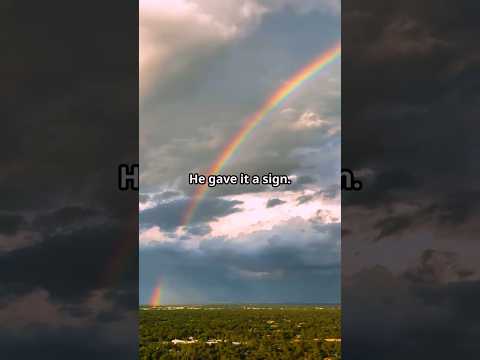
  • The Rainbow Covenant: God’s Promise in Genesis 9:8–17.

    The Rainbow Covenant: God’s Promise in Genesis 9:8–17 | A Sign of Eternal Grace.
    The Rainbow Covenant: God’s Promise in Genesis 9:8–17.

    The Rainbow Covenant: God’s Promise in Genesis 9:8–17.

    After the great flood, as the waters receded and the earth was renewed, God made a promise—not just to Noah, but to all of creation. This promise, known as the Rainbow Covenant, is one of the most beautiful and enduring symbols in all of Scripture. Found in Genesis 9:8–17, this passage marks a defining moment in biblical history: the first formal covenant between God and humanity.

    But what does this covenant mean today? And why did God choose a rainbow to represent it?


    God’s Covenant with Noah

    Genesis 9:8–17 recounts God’s words to Noah and his sons after they left the ark. God declares:

    “I now establish my covenant with you and with your descendants after you and with every living creature… Never again will there be a flood to destroy the earth.”
    (Genesis 9:9–11)

    This covenant—often called the Noahic Covenant—is unconditional. God is not asking for anything in return. He is simply making a promise, grounded in mercy, that He will never again wipe out life on earth by flood.


    The Rainbow as a Sign

    In this same passage, God introduces a powerful visual symbol to seal His covenant: the rainbow.

    “I have set my bow in the clouds, and it shall be a sign of the covenant between me and the earth.”
    (Genesis 9:13)

    The Hebrew word for “bow” (קֶשֶׁת qeshet) usually refers to a warrior’s bow. But here, it’s no longer an instrument of war—it’s suspended in the sky, pointing away from the earth, transformed into a symbol of peace and divine restraint. The rainbow is God’s reminder—to Himself and to us—that mercy now governs where judgment once ruled.


    Why This Covenant Still Matters

    The Rainbow Covenant isn’t just an ancient promise buried in the pages of Genesis. It’s a living reminder of God’s faithfulness, mercy, and love for all creation.

    In a world marked by chaos, violence, and spiritual confusion, the rainbow offers hope. It reminds us that even after seasons of judgment, restoration is possible. God is not distant. He remembers, He redeems, and He keeps His promises.

    For believers today, this covenant also points forward—to even greater covenants in Scripture. The Mosaic Covenant would follow, then the New Covenant through Christ. But it all begins here: with a rainbow stretched across the sky.


    A Symbol for Every Generation

    God says this covenant is for “every living creature” and “for all generations to come.” That means it’s not just a promise to Noah, but to you and me.

    We may not face global floods, but we all weather personal storms. The Rainbow Covenant tells us those storms are not the end of the story. The same God who judged the earth also promised never to destroy it in that way again—and set a rainbow in the sky to prove it.

    It’s a divine thread woven through time: from creation, through covenant, into redemption.


    Final Reflection

    The Rainbow Covenant in Genesis 9:8–17 is more than a symbol—it’s a signature. A divine seal on a sacred promise. It reveals God’s heart: patient, merciful, and committed to preserving life.

    So the next time you see a rainbow, don’t just admire its beauty. Remember what it means—that God keeps His word, that judgment has limits, and that mercy triumphs.

    The Rainbow Covenant: God’s Promise in Genesis 9:8–17.
    The Rainbow Covenant: God’s Promise in Genesis 9:8–17.

    P.S.

    If this reflection on the Rainbow Covenant inspired you, consider subscribing to HolyThreadProject on YouTube for more Scripture-based insights, spiritual symbolism, and short-form Bible teachings woven with timeless truth.

    #RainbowCovenant #GodsPromise #Genesis9 #NoahicCovenant #BibleStudy #BiblicalSymbolism #FaithReflection #ScriptureWisdom #HolyThreadProject #CovenantOfGod