Tag: Old Testament lessons

  • God Commands Noah to Build the Ark – Genesis 6:11-22.

    God Commands Noah to Build the Ark—Genesis 6:11–22 | Faith Before the Flood.
    God Commands Noah to Build the Ark – Genesis 6:11-22.

    God Commands Noah to Build the Ark – Genesis 6:11-22.

    In a world filled with corruption, violence, and moral decay, one man stood out—not because of perfection, but because of obedience. That man was Noah, and his story in Genesis 6:11–22 is one of the most powerful examples of faith in action found in the Bible.

    This post unpacks the moment when God commands Noah to build the ark, the meaning behind this divine instruction, and what it still speaks to us today.


    The World Had Fallen

    Genesis 6 opens with a dark snapshot of humanity. The earth had become corrupt, filled with violence and wickedness. People had turned away from God’s ways, choosing selfishness and sin over righteousness.

    In Genesis 6:11-12, it says:

    “Now the earth was corrupt in God’s sight and was full of violence… all the people on earth had corrupted their ways.”

    It was not only a physical destruction that was coming—it was a spiritual reset. But in the midst of this decay, Noah found favor in the eyes of the Lord.


    God commands: Build the Ark

    Instead of simply wiping the slate clean, God chose to preserve a remnant—a future for humanity and creation. He gave Noah a very specific and detailed task:

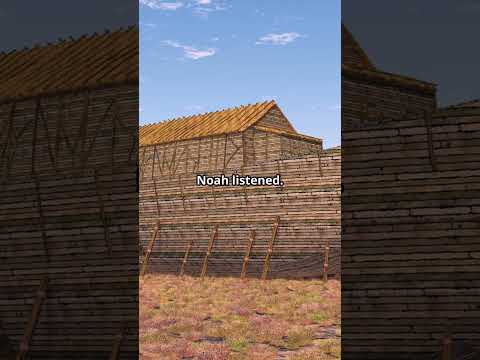
    “So make yourself an ark of cypress wood; make rooms in it and coat it with pitch inside and out…” (Genesis 6:14)

    From its dimensions (300 cubits long!) to its three decks and single door, the instructions weren’t vague. They were exact, showing that God is not only a righteous judge but also a God of order, structure, and purpose.

    The ark wasn’t just a boat—it was a symbol of God’s mercy, protection, and covenant.


    Noah’s Radical Obedience

    What’s truly remarkable is not just that God gave a command—but that Noah obeyed without hesitation. Genesis 6:22 tells us:

    “Noah did everything just as God commanded him.”

    No questions. No shortcuts. No compromises.
    Even though the skies were clear and the world continued as usual, Noah began building. Why? Because he believed God, even before the rain.

    This is faith—not just believing in God, but trusting Him enough to act.


    What We Learn from Noah’s Obedience

    Noah’s story reminds us that:

    • God always provides a way through judgment.
    • Obedience often looks foolish to the world.
    • Faith requires action, not just belief.
    • Following God’s voice protects and prepares us for what’s coming.

    Just as Noah was called to build a literal ark, we are called to build lives of integrity, trust, and spiritual discipline—even when no one else understands.


    The Ark Still Speaks Today

    Today, we may not be constructing physical arks, but we are called to follow God’s instructions, trust His timing, and prepare spiritually for what’s ahead. The world still faces chaos, and God still seeks people who will walk faithfully with Him.

    Ask yourself:

    • Am I listening when God speaks?
    • Do I delay obedience because I don’t understand the full plan?
    • What is God asking me to build in faith?

    Final Thoughts

    Genesis 6:11–22 is not just ancient history—it’s a call to modern obedience. God’s command to Noah to build the ark is a vivid picture of faith, trust, and the cost of discipleship.

    When we say yes to God—like Noah—we become part of a greater story. One where obedience builds legacy, and faith creates the shelter that carries others through the storm.
    God Commands Noah to Build the Ark – Genesis 6:11-22.
    God Commands Noah to Build the Ark – Genesis 6:11-22.

    P.S.

    Want more timeless truth like this? Subscribe to HolyThreadProject on YouTube for weekly Bible shorts that bring Scripture to life in under a minute. 🙏

    #NoahsArk #Genesis6 #FaithInAction #BibleTeaching #OldTestament #ObedienceToGod #HolyThreadProject #BibleStudy #ChristianFaith #WalkWithGod #ScriptureTruth #GodsInstructions
  • Marked for Life: The Curse of Cain – Genesis 4:11-16.

    Marked for Life: The Curse of Cain – Genesis 4:11–16 | Justice and Mercy Collide.
    Marked for Life: The Curse of Cain – Genesis 4:11-16.

    Marked for Life: The Curse of Cain – Genesis 4:11-16.

    In the early pages of the Bible, we witness a moment that forever shapes the human story: the first murder, the first curse, and a mysterious mark from God. Genesis 4:11–16 tells the story of Cain and his devastating choice to kill his brother Abel. But it’s not just a tale of crime and punishment. It’s a deeply layered message about justice, mercy, guilt, and how God responds to brokenness.

    This ancient story still echoes today. Why? Because like Cain, many of us walk through life carrying things we cannot undo—yet still long to be seen, forgiven, and even protected.


    The First Bloodshed

    Cain and Abel, the sons of Adam and Eve, both brought offerings to God. Abel’s was accepted; Cain’s was not. In a fit of jealousy and pride, Cain lured his brother into the field and killed him.

    This wasn’t just the first act of violence—it was a rejection of responsibility, relationship, and reverence. When God asks Cain, “Where is your brother Abel?”, Cain replies with the chilling words:

    “Am I my brother’s keeper?” (Genesis 4:9)

    God then declares that Abel’s blood cries out from the ground. The earth itself bears witness. Cain is cursed—not only from God but from the land that once sustained him.


    The Curse of Cain

    “Now you are under a curse and driven from the ground… You will be a restless wanderer on the earth.”
    Genesis 4:11–12

    This curse is both physical and spiritual. Cain is cut off—from his homeland, from his family, from the stability of belonging. But even in this just judgment, we see something deeper begin to unfold.

    Cain panics. Not because he is sorry—but because he fears for his life. He says:

    “My punishment is more than I can bear… whoever finds me will kill me.” (Genesis 4:13–14)

    Here’s where the story takes a turn that most people overlook.


    A Mark of Mercy

    Rather than allow Cain to be hunted and killed, God responds with surprising compassion:

    “But the Lord said to him, ‘Not so; anyone who kills Cain will suffer vengeance seven times over.’ Then the Lord put a mark on Cain so that no one who found him would kill him.” (Genesis 4:15)

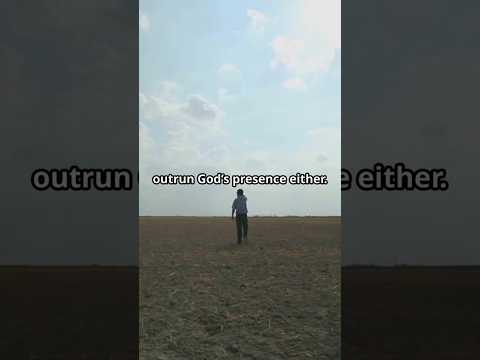
    God doesn’t erase the consequences. Cain will still wander. He will still be separated. But he will not be destroyed. The mark God places on him is not a brand of shame—it’s a symbol of protection.

    This is one of the earliest examples in Scripture where we see God’s mercy operating alongside His justice. Cain deserved to be cut off. But God ensured he wouldn’t be cut down.


    What Was the Mark?

    The Bible doesn’t tell us what the mark looked like. Scholars and theologians have speculated for centuries, but the ambiguity seems intentional. The point isn’t what the mark was, but what it meant.

    It was a sign that:

    • Cain still belonged to God’s creation
    • Cain’s life still held value, even in brokenness
    • Divine protection was not just for the innocent—but even for the guilty

    That’s a hard truth for many, but it reveals something profound about the nature of God.


    Marked, But Not Forgotten

    The phrase “marked for life” is usually negative—referring to trauma, shame, or permanent failure. But in Cain’s story, the mark becomes something more complex. It represents guilt, yes—but also grace.

    Cain leaves the presence of the Lord and settles in the land of Nod, east of Eden. He starts a family. He builds a city. His story isn’t erased—it’s redirected.

    That same principle applies to us. We may carry the scars of bad decisions. We may feel the weight of regret. But God’s response is not always destruction. Sometimes, He marks us not to end our story, but to reshape it.


    Why This Story Still Matters

    Genesis 4:11–16 isn’t just ancient history. It’s a mirror. It asks us hard questions:

    • What do we do when we fail?
    • Can guilt and grace coexist?
    • Will God still protect us—even when we’re the ones who caused the damage?

    The answer, surprisingly, is yes.

    The mark of Cain is a paradox: a sign of consequence and compassion. It’s God saying, “You’re not off the hook—but you’re not outside My reach.”


    If you’ve ever felt marked by your past, remember this:
    Being marked doesn’t mean being abandoned.
    Sometimes, it means you’re still part of the plan.

    Marked for Life: The Curse of Cain – Genesis 4:11-16.
    Marked for Life: The Curse of Cain – Genesis 4:11-16.

    P.S. If this message spoke to you, don’t miss what’s next—subscribe to HolyThreadProject on YouTube for more faith-filled insights and biblical reflections delivered weekly.

    #MarkedForLife #CainAndAbel #Genesis4 #BibleStudy #BiblicalLessons #FaithAndMercy #OldTestamentTruth #GodsJustice #ChristianBlog #HolythreadProject

  • Cain and Abel | Genesis 4:1-2 Bible Story | HolyThreadProject.

    Cain and Abel | Genesis 4:1-2 Bible Story | Jealousy, Worship, and Humanity’s Heart.
    Cain and Abel | Genesis 4:1-2 Bible Story | HolyThreadProject.

    Cain and Abel | Genesis 4:1-2 Bible Story | HolyThreadProject.

    The story of Cain and Abel is one of the earliest—and most heartbreaking—accounts in the Bible. Found in Genesis 4:1-2, this short passage packs timeless truths about human nature, worship, jealousy, and choices. At HolyThreadProject, we’ve retold this iconic Bible story in under a minute to help modern audiences experience the weight and message of Scripture in a fresh and engaging way.

    Two Brothers, Two Offerings

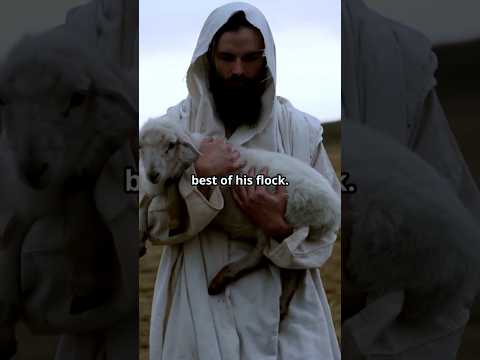
    Cain and Abel were the first children born to Adam and Eve. Cain became a farmer, working the soil, while Abel was a shepherd who raised flocks. Both brothers brought offerings to the Lord—Cain brought crops, and Abel brought the firstborn of his flock.

    At first glance, it might seem like both offerings were good. But Genesis 4 makes it clear: God looked with favor on Abel’s offering, but not Cain’s. Why? The Bible hints that Abel brought his “first and best,” while Cain brought “some” of his produce. This was not just about what was given—but the heart behind the gift.

    The Root of Rejection: Attitude Matters

    This passage reminds us that God sees beyond the surface. He looks at the intent behind our worship. Abel’s offering reflected faith, devotion, and a heart to honor God. Cain’s, on the other hand, was likely routine—just a box checked off.

    When Cain’s offering was rejected, instead of reflecting and repenting, he grew angry. His jealousy toward Abel turned into bitterness—and that bitterness led to violence.

    Sin Is Crouching at the Door

    God, in His mercy, warned Cain. In Genesis 4:7, He tells him,
    “If you do what is right, will you not be accepted? But if you do not do what is right, sin is crouching at your door; it desires to have you, but you must rule over it.”

    This is one of the most powerful lines in the entire story. It shows that sin is always waiting, tempting us when we’re weak or wounded. But God calls us to rise above it—to master our emotions and choose righteousness.

    Cain had a choice. But he let jealousy win.

    The First Murder

    In a field, Cain lured Abel—and killed him. The first murder in human history was not a random act of violence but a spiritual and emotional breakdown fueled by comparison, rejection, and pride.

    When God confronted Cain, he answered coldly: “Am I my brother’s keeper?” This iconic line shows Cain’s refusal to take responsibility. But God, who saw everything, judged Cain and marked him—so he would be protected but never at peace.

    Why This Story Still Matters

    The story of Cain and Abel is not just ancient history. It speaks to all of us today.

    • Are we giving God our best—or just leftovers?
    • How do we respond when others are praised and we feel overlooked?
    • Do we deal with sin when it knocks—or do we let it in?

    This short Bible story teaches about honest worship, heart posture, and the consequences of unchecked emotion. It also reminds us that God offers a way out, even when we feel hurt or rejected.

    Watch the Short and Reflect

    We created this Bible short as part of the HolyThreadProject to help make Scripture feel real, visual, and impactful in under 60 seconds. Whether you’re a lifelong Christian or just beginning to explore the Bible, this video can spark reflection and conversation.

    👉 Subscribe to HolyThreadProject on YouTube to support more creative, visual Bible storytelling.

    Cain and Abel | Genesis 4:1-2 Bible Story | HolyThreadProject.
    Cain and Abel | Genesis 4:1-2 Bible Story | HolyThreadProject.

    Final Thoughts

    Cain and Abel may have lived thousands of years ago, but their choices mirror our struggles today. The question remains: Will we give God our best? Will we rule over sin—or let it rule us?

    We pray this story challenges and encourages you. Share it with someone who needs to hear it today.

    P.S.
    If this story spoke to you, don’t keep it to yourself—share it, bookmark it, and check out more powerful Bible moments brought to life by HolyThreadProject.

    #CainAndAbel #Genesis4 #BibleLessons #HolyThreadProject #FaithStories #ScriptureReflection #OldTestament #BibleTeaching #ChristianInspiration #BibleTruth