Tag: Old Testament stories

  • Exodus 17: Manna and Quail in the Desert | Bible Story.

    Exodus 17 Explained | Manna and Quail in the Desert: God’s Provision and Faithfulness.
    Exodus 17: Manna and Quail in the Desert | Bible Story.

    Exodus 17: Manna and Quail in the Desert | Bible Story.

    The Bible often speaks to the deepest needs of the human heart, showing how faith and divine care sustain people in times of struggle. One of the most powerful passages is found in Exodus 17, where God provides manna and quail for the Israelites during their desert journey. More than an ancient miracle, this story continues to inspire believers to trust in God’s provision and presence when life feels barren.

    The Israelites in the Wilderness

    After leaving Egypt, the Israelites wandered through a harsh and unfamiliar land. The desert was unforgiving, and hunger tested their faith. Complaints rose quickly as the people wondered whether God had abandoned them. Into this moment of doubt comes the account of Exodus 17, where God answered their needs in a way no one expected.

    Each morning, a fine flaky substance appeared on the ground. The Israelites called it manna, described as bread from heaven. At twilight, quail filled the camp, providing meat for the weary travelers. These gifts were not random—they were precise answers to cries of desperation.

    Lessons from Manna and Quail

    The miracle of Exodus 17 offers timeless lessons for every generation. First, it reminds us that God sees and responds to the needs of His people. The Israelites were not abandoned in their desert, and neither are we. Second, the story teaches us about daily dependence. The manna was to be gathered fresh each morning, showing that God’s provision meets us one day at a time. Third, the quail in the evening illustrates that God’s care is both abundant and timely.

    Modern Relevance

    Although our deserts today may not be physical, we often experience seasons of emptiness, stress, or uncertainty. The example of Exodus 17 speaks directly to these struggles. When resources run low or doubt creeps in, we are reminded that provision may come in unexpected ways. Trust and patience allow us to recognize the answers God sends into our wilderness experiences.

    For modern readers, this passage also highlights the value of gratitude. The Israelites often forgot to thank God for His blessings, falling back into complaint. Their story warns us not to overlook the daily bread we already receive—whether that is food, shelter, or encouragement from others.

    Why This Story Matters

    Stories like manna and quail continue to resonate because they bridge ancient history and present faith. The Exodus 17 account shows a God who is faithful, attentive, and generous. It reassures us that our struggles are seen, and that even in the most difficult deserts, divine help can appear.

    This is not only a story of provision but also of relationship. God’s care was not transactional; it was an expression of love and covenant. For believers today, this remains a foundation of hope.

    Conclusion

    The story of manna and quail in Exodus 17 is more than a desert miracle—it is a testimony of God’s enduring faithfulness. The Israelites were hungry, doubtful, and afraid, yet God responded with daily bread and meat, showing that His care does not fail. For us, the message is clear: even in the barren places of life, we are not abandoned.

    When faith is tested, provision often comes in surprising ways. Just as manna appeared with the morning dew and quail arrived at twilight, God still provides for those who trust Him. The lesson of Exodus 17 is timeless: divine care is real, and true faith rests in His daily presence.

    Exodus 17: Manna and Quail in the Desert | Bible Story.
    Exodus 17: Manna and Quail in the Desert | Bible Story.

    P.S. If this reflection inspired you, be sure to subscribe to HolyThreadProject on YouTube for more uplifting Bible stories and timeless lessons of faith.

    #Exodus17 #MannaAndQuail #BibleStory #HolyThreadProject #Faith #GodProvides #DivineProvision #Scripture #OldTestament #SpiritualJourney
  • Exodus 5 – Moses Returns to Egypt | Bible Story Explained.

    Exodus 5 – Moses Returns to Egypt | Pharaoh’s Defiance and Faith Tested | Bible Story.
    Exodus 5 – Moses Returns to Egypt | Bible Story Explained.

    Exodus 5 – Moses Returns to Egypt | Bible Story Explained.

    The book of Exodus is one of the most powerful and enduring portions of Scripture. It describes the liberation of the Israelites and the faithfulness of God even in the face of resistance. In Exodus 5, the journey of Moses reaches a dramatic moment as he obeys God’s command to return to Egypt and confront Pharaoh. This story reminds us that obedience to God may lead to conflict before it brings deliverance.

    The Context

    Before this chapter, Moses had encountered God in the burning bush and received his mission: to deliver Israel from slavery. Though hesitant, Moses accepted the call with the support of his brother Aaron. Together, they went back to Egypt, the land Moses had fled years earlier, now ready to confront the world’s most powerful ruler. Their mission was not political ambition but divine obedience. God’s plan was about to unfold, and Moses was at the center of it.

    Moses and Aaron Before Pharaoh

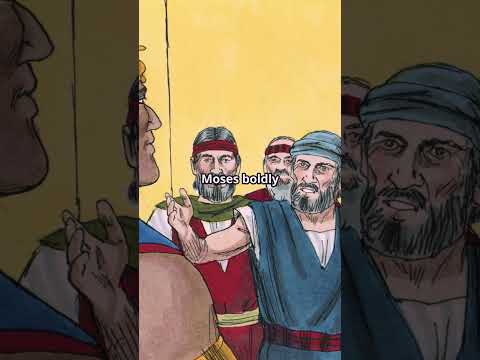
    In Exodus 5, Moses and Aaron deliver a clear and courageous message to Pharaoh: “Thus says the Lord, the God of Israel: Let my people go, that they may hold a feast to me in the wilderness.” This bold demand was not simply about freedom—it was about worship. God wanted His people to serve Him without chains. Pharaoh, however, responded with arrogance and resistance, saying, “Who is the Lord, that I should obey his voice and let Israel go?” His heart was hardened, and instead of granting freedom, he increased the burdens on the Israelites.

    Pharaoh’s Response

    The rejection in this chapter reveals the reality that obedience to God often stirs opposition. Instead of relief, the Israelites faced greater suffering. Pharaoh commanded that they gather their own straw for brick-making while keeping the same production quota. This crushing order discouraged the people and made them question Moses’ leadership. Yet in this trial, God was preparing to reveal His power. Resistance was not the end of the story but the beginning of a greater display of His might.

    Lessons for Us

    The passage provides several timeless lessons:

    • Obedience is costly: Moses followed God’s command, but the immediate result was difficulty, not relief. Faith does not always bring instant comfort.
    • God’s timing is perfect: What seems like a setback is often the stage for a greater miracle.
    • Leadership requires perseverance: Moses faced criticism from his own people, yet he remained faithful to his mission.
    • Trust despite trials: The increase in suffering before deliverance reminds us that darkness often deepens before dawn.

    Why It Matters Today

    For modern believers, Exodus 5 is more than ancient history. It speaks to the struggles of faith in everyday life. When we follow God, we may face resistance, whether from circumstances, people, or even our own doubts. The lesson is to trust God’s plan even when things seem to get worse before they get better. Like Moses, we must persist in faith, knowing that God is working behind the scenes for deliverance. The opposition we face can become the backdrop for His glory.

    Conclusion

    The story of Moses returning to Egypt in Exodus 5 is a reminder that the path of obedience is not always smooth. Pharaoh’s resistance shows us that faith will be tested, but God’s purposes always prevail. Through Moses’ courage, the stage was set for the dramatic plagues and the eventual liberation of Israel. For us today, the message is clear: remain faithful, even when trials intensify, because God’s deliverance is sure.

    At HolyThreadProject, we share Bible stories and spiritual lessons that inspire reflection and strengthen faith. If this post encouraged you, be sure to explore more of our content and share these timeless truths with others.

    Exodus 5 – Moses Returns to Egypt | Bible Story Explained.
    Exodus 5 – Moses Returns to Egypt | Bible Story Explained.

    P.S. If the story of Exodus 5 encouraged your faith, don’t forget to subscribe to HolyThreadProject on YouTube for more Bible stories and lessons.

    #Exodus5 #MosesReturnsToEgypt #BibleStories #HolyThreadProject #OldTestament #FaithLessons #ScriptureShorts

  • Exodus 4: God Calls Moses at the Burning Bush | Bible Story.

    Exodus 4: God Calls Moses at the Burning Bush | Bible Story of Purpose.
    Exodus 4: God Calls Moses at the Burning Bush | Bible Story.

    Exodus 4: God Calls Moses at the Burning Bush | Bible Story.

    Few passages in the Bible are as dramatic and meaningful as the account of Moses’ call. The burning bush has become a symbol of divine presence, courage, and obedience. In the middle of the wilderness, God interrupted the ordinary life of a shepherd and set in motion a plan that would change history. The chapter of Exodus 4 shows how God equips the hesitant, answers fear with reassurance, and gives power to the one who feels unqualified. It is more than an ancient story; it is a lesson for anyone who has wrestled with doubt when facing a calling.

    The Setting of the Burning Bush

    Moses had fled Egypt years earlier and was living quietly, tending sheep for his father-in-law. While caring for the flock, he encountered a bush that burned without being consumed. From this miraculous sign, God spoke, calling him to confront Pharaoh and lead Israel out of slavery. By the time we reach Exodus 4, the dialogue between God and Moses reveals deep human reluctance. Moses is hesitant, uncertain, and painfully aware of his shortcomings.

    Moses’ Doubts and God’s Reassurance

    Moses questioned almost everything: What if the Israelites did not believe him? What if Pharaoh rejected him? What about his weakness in speech? God responded with patience, reminding him that the Creator of mouths and minds would give him the words he needed. The heart of Exodus 4 is the message that God does not choose leaders because of perfection but because of willingness. He equips those who step forward in faith, even if their faith feels fragile.

    The Miraculous Signs

    To strengthen Moses, God provided signs. First, the staff in his hand became a serpent and then returned to wood. Second, his hand turned leprous and was instantly healed. Finally, he was told that water from the Nile could be turned into blood. These signs in Exodus 4 were not mere demonstrations of power but visible proofs of God’s authority. They reassured Moses and gave him the confidence to face Pharaoh, while also proving to the Israelites that God Himself was sending him.

    Key Lessons from the Story

    This chapter offers timeless lessons that speak across cultures and centuries:

    • God uses the hesitant. Moses’ fears mirror our own, yet God shows that weakness is no obstacle to His plan.
    • Obedience unlocks transformation. Though reluctant, Moses eventually obeyed, and his “yes” changed history.
    • God equips the called. The miracles of Exodus 4 prove that God supplies the tools for the mission.
    • Patience and compassion matter. God’s gentle responses show that He understands human frailty and walks with us in our doubts.

    Modern Relevance of Exodus 4

    Today, many people struggle with feelings of inadequacy when facing responsibility. Some fear leadership, others doubt their abilities, and still more hesitate to step into roles where they feel unprepared. The reassurance of Exodus 4 is that God’s presence outweighs personal fear. Just as Moses learned, we too can trust that God equips us for the tasks He calls us to.

    For leaders in business, parents guiding families, or students facing new challenges, the same principle applies: God’s strength is perfected in weakness. Courage grows when we recognize that we do not walk alone.

    Conclusion

    The calling of Moses at the burning bush is more than an ancient story—it is a guide for today. God transforms ordinary people into instruments of extraordinary change. By reflecting on the events of Exodus 4, we are encouraged to respond to God’s calling with humility and faith.

    Moses’ journey reminds us that hesitation does not disqualify us. What matters is trust in God’s presence, which empowers us to step forward with courage. The promise that “I will be with you” remains as true now as it was in the wilderness thousands of years ago.

    Exodus 4: God Calls Moses at the Burning Bush | Bible Story.
    Exodus 4: God Calls Moses at the Burning Bush | Bible Story.

    P.S. If this story encouraged you, be sure to subscribe to HolyThreadProject on YouTube for more powerful Bible stories, lessons of faith, and timeless wisdom. 🙏✨

    #Exodus4 #BurningBush #Moses #BibleStories #GodsCalling #ChristianFaith #HolyThreadProject #OldTestament #BibleLessons #ChristianInspiration

  • Exodus 3: Moses Flees to Midian – A Journey of Faith.

    Exodus 3: Moses Flees to Midian – A Journey of Faith and Divine Calling.
    Exodus 3: Moses Flees to Midian – A Journey of Faith.

    Exodus 3: Moses Flees to Midian – A Journey of Faith.

    The story of Moses fleeing to Midian is one of the most transformative moments in the Old Testament. Found in Exodus 3, this passage describes not only the escape of Moses from Egypt but also the beginning of a profound spiritual journey. While the world saw exile, God saw preparation.

    The Context of Moses’ Flight

    Before arriving in Midian, Moses lived in Pharaoh’s palace, raised as royalty though born a Hebrew. After witnessing the suffering of his people, Moses acted in anger, killing an Egyptian taskmaster. When this act became known, Pharaoh sought to kill him. Fleeing for his life, Moses abandoned the wealth and privilege of Egypt, entering the wilderness where a new chapter of faith would begin.

    This decision marked a dramatic turning point. Moses had to leave behind everything he once knew, trading power for obscurity. Yet, the Bible consistently shows that God often works through weakness rather than worldly strength. In this way, Moses’ exile laid the groundwork for a transformation that would later enable him to lead Israel out of slavery.

    Life in Midian

    In Midian, Moses found refuge, family, and humility. He married Zipporah, the daughter of Jethro, and began working as a shepherd. This change from prince to shepherd seems like a fall from power, yet it was here that his true preparation for leadership began. Shepherding required patience, vigilance, and care for the vulnerable—qualities Moses would need when guiding the people of Israel.

    Exodus 3 teaches us that the wilderness often serves as God’s training ground. What looks like loss may actually be a season of growth. The silence of Midian became the space where Moses could learn humility and dependence on God. Instead of leading armies, he led flocks; instead of living in palaces, he lived in tents. But in this seeming reduction, God was shaping his heart.

    Spiritual Lessons from the Wilderness

    The wilderness is a recurring theme in Scripture. For Moses, it was a place of humility and reshaping. For Israel, it would later be a place of testing and trust. For Jesus, the wilderness was a place of preparation before His ministry began. Believers today can see in these stories a consistent truth: sometimes God removes us from comfort to prepare us for calling.

    When life feels barren or directionless, it is tempting to see only loss. Yet Exodus 3 reminds us that God’s plan often begins where our plans end. The wilderness strips away distractions and illusions of self-sufficiency, creating space for divine guidance.

    God’s Presence in the Journey

    What makes Exodus 3 remarkable is that it doesn’t leave Moses in exile—it moves toward revelation. It is in Midian, while tending sheep, that Moses encounters the burning bush. God calls him to return to Egypt, not as a fugitive, but as a deliverer. The wilderness, once a place of hiding, becomes the place of divine commissioning.

    This moment reveals a profound truth: God often meets us in unexpected places. While Moses may have believed his future ended in Midian, God had far greater plans. The same can be true for us—our seasons of obscurity may be the very spaces where God speaks most clearly.

    Relevance for Today

    The journey of Moses in Exodus 3 speaks powerfully to modern life. Many of us face seasons of wilderness—times when we feel lost, sidelined, or uncertain of our path. Yet, like Moses, we can discover that these seasons are not wasted. They are shaping us for greater purpose.

    Compassion, patience, and resilience are forged in difficulty, not ease. Just as Moses learned leadership while caring for sheep, we too develop character in small, hidden tasks. The transition from Egypt to Midian mirrors the transitions we face: leaving behind comfort, facing failure, and embracing growth through faith.

    Conclusion

    The account of Moses fleeing to Midian in Exodus 3 is more than history—it is a timeless lesson in trust, humility, and preparation. What looked like an ending was actually the foundation for one of the greatest callings in Scripture. For anyone walking through uncertainty, this passage offers hope: God uses the wilderness to shape us for His purpose.

    The journey of Moses shows that exile can become the path to destiny, and faith can turn fear into transformation. Each wilderness season has the potential to become the birthplace of calling, if we allow God to guide us through it.

    Exodus 3: Moses Flees to Midian – A Journey of Faith.
    Exodus 3: Moses Flees to Midian – A Journey of Faith.

    P.S. If the story of Exodus 3 spoke to your heart, don’t forget to subscribe to YourWisdomVault on YouTube for more Bible stories and timeless lessons of faith.

    #Exodus3 #MosesFleesToMidian #BibleStories #OldTestament #JourneyOfFaith #MosesStory #BiblicalLessons #HolyThreadProject

  • Exodus 1 | Israelites Oppressed in Egypt | Bible Explained.

    Exodus 1 Explained: Israelites Oppressed in Egypt | Bible Story Insight.
    Exodus 1 | Israelites Oppressed in Egypt | Bible Explained.

    Exodus 1 | Israelites Oppressed in Egypt | Bible Explained.

    The Book of Exodus begins with a dramatic shift in the story of God’s people. After the death of Joseph, who once saved Egypt from famine, a new pharaoh rose to power. This ruler did not remember Joseph’s wisdom or his contribution to the nation. Instead, he feared the growing strength of the Israelites. Exodus 1 opens not with peace but with oppression, setting the stage for one of the greatest stories of deliverance in Scripture.

    The Israelites Multiply in Egypt

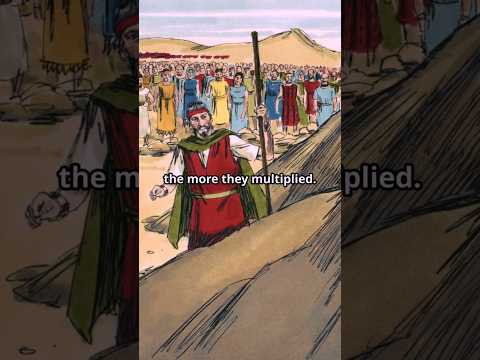
    Exodus 1 describes how the Israelites, once welcomed, became viewed as a threat. The text explains that the people were fruitful and multiplied greatly, filling the land. Their numbers grew so large that Pharaoh worried they might join Egypt’s enemies in case of war. Fear took root in the king’s heart, and he decided to enslave them.

    This chapter shows a timeless truth: when fear rules, injustice often follows. Pharaoh’s insecurity turned into harsh labor and bitter bondage for the Israelites. Yet the more they were oppressed, the more they increased. Human cruelty could not stop God’s blessing.

    Oppression as a Tool of Control

    The strategy of Pharaoh in Exodus 1 was clear—use oppression to control. He set taskmasters over the Israelites, forcing them into hard labor, building cities, and carrying heavy burdens. His goal was to break their spirit and slow their growth. But the opposite happened. The people remained strong, their numbers continued to rise, and the Egyptians grew more alarmed.

    This passage highlights how oppression rarely achieves the outcome rulers desire. Instead of crushing a people, it typically strengthens their resolve and identity.

    God’s Promise Remains Unbroken

    One of the most powerful lessons of Exodus 1 is that no human plan can undo God’s promise. Long before Egypt enslaved the Israelites, God had told Abraham that his descendants would be as numerous as the stars. Pharaoh’s attempt to erase that promise failed. In fact, his cruelty only pushed the story of deliverance forward, preparing the way for Moses and the great journey out of Egypt.

    This truth speaks to us today: even in seasons of hardship, God’s purposes remain steady.

    Lessons for Today

    The message of Exodus 1 still resonates in modern life. We may not face the slavery of ancient Egypt, but fear, injustice, and oppression still exist in many forms. This passage reminds us that:

    • Fear can distort judgment and lead to harm.
    • Oppression cannot silence truth or hope.
    • Faith keeps people alive even in dark seasons.
    • God’s promises endure beyond human schemes.

    When we read this chapter, we are invited to reflect on how we respond to fear. Do we let it turn into cruelty, or do we seek wisdom and faith?

    Conclusion

    Exodus 1 is more than a historical account; it is a mirror showing how fear shapes actions and how God’s plan outlasts human power. The Israelites suffered under Pharaoh’s harsh rule, yet their story did not end there. Instead, their struggle became the foundation for one of the most powerful narratives in the Bible—their deliverance from Egypt.

    This opening chapter sets the tone for the entire book of Exodus. It reminds us that oppression may rise, but God’s promise remains firm. Even in suffering, hope is alive, and faith points the way to freedom.

    Exodus 1 | Israelites Oppressed in Egypt | Bible Explained.
    Exodus 1 | Israelites Oppressed in Egypt | Bible Explained.

    P.S. If you found insight in this story, don’t miss the rest of our journey through Exodus. Be sure to subscribe to HolyThreadProject on YouTube for more Bible explained content and timeless lessons of faith. 🙏

    #Exodus1 #Exodus #BibleExplained #BibleStories #Faith #LifeLessons #Scripture #Wisdom #SpiritualGrowth #Shorts