Tag: Old Testament stories

  • Genesis 30 Bible Story: Children, Strife, and God’s Plan.

    Genesis 30 Bible Story: Children, Strife, and God’s Plan of Promise Fulfilled.
    Genesis 30 Bible Story: Children, Strife, and God’s Plan.

    Genesis 30 Bible Story: Children, Strife, and God’s Plan.

    The Bible doesn’t shy away from showing the messy realities of human life. Relationships can be complicated, emotions can run high, and faith can be tested. Genesis 30 is a striking example—a chapter filled with rivalry, longing, and the unfolding of God’s plan through very imperfect people.

    This story is not only a part of ancient history but also a mirror that reflects the struggles we face today. Jealousy, competition, and the desire for approval remain universal human experiences. Yet, in the midst of such strife, God’s purposes quietly move forward.

    The Family Conflict

    In Genesis 30, Jacob is caught between two wives—Rachel and Leah—whose relationship is defined by rivalry. Leah has given Jacob several sons, while Rachel remains barren. In a culture where children were considered a sign of divine favor, Rachel’s longing turns into desperation.

    Rachel offers her maid Bilhah to Jacob, hoping to have children through her. Leah responds by offering her maid Zilpah, and the pattern of competition continues. The births that follow—sons born to four different women—create a tangled web of relationships that will later become the foundation of the twelve tribes of Israel.

    Lessons on Human Nature

    This chapter reveals that people often seek fulfillment through competition, control, or manipulation. Both Rachel and Leah struggle to find contentment, defining their worth through their ability to bear children. In our modern lives, the symbols may change—careers, possessions, recognition—but the underlying drive for validation remains the same.

    God’s Work in Imperfect Lives

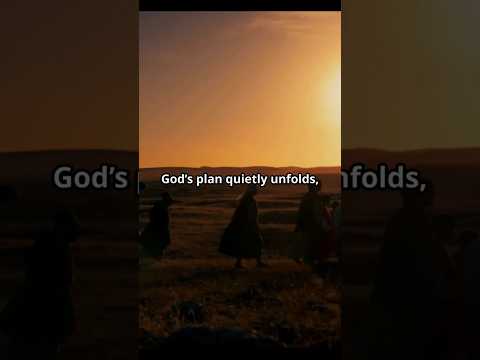
    Even amid jealousy and conflict, God’s larger plan is quietly unfolding. The sons born in Genesis 30 are not random; each will play a role in Israel’s history. This reminds us that God can use even flawed circumstances to bring about His purposes.

    From a faith perspective, this is deeply reassuring. We may believe that our mistakes, rivalries, or pain can derail God’s plan, but Scripture consistently shows the opposite. Our human failures do not block His faithfulness.

    Practical Applications Today

    The account in Genesis 30 offers timeless wisdom:

    1. Avoid comparison—measuring yourself against others breeds discontent.
    2. Trust God’s timing—Rachel’s eventual blessing came later, reminding us that delays are not denials.
    3. See beyond the conflict—God may be working in ways we cannot yet see.
    4. Redefine worth—value is not found in achievement but in being loved by God.

    The Bigger Picture

    By the end of Genesis 30, we see a family that is far from perfect, yet chosen for a divine purpose. The chapter foreshadows God’s pattern throughout Scripture—working through unlikely people to accomplish great things.

    Jacob’s household, marked by rivalry and strife, will become the foundation of a nation. It’s a reminder that your current season, no matter how messy, may be a building block in something far greater than you imagine.

    Conclusion

    The story of Genesis 30 invites us to look at our lives with honesty and hope. Rivalry, unmet desires, and complicated relationships are part of the human story—but they are not the whole story. God’s plan is not fragile; it weaves through every circumstance, using even our weaknesses for good.

    Whether you see yourself in Rachel’s longing, Leah’s pain, or Jacob’s tension, the message is the same: you are part of something bigger. Trust the process, stay faithful, and remember that God’s purposes are always at work.

    Genesis 30 Bible Story: Children, Strife, and God’s Plan.
    Genesis 30 Bible Story: Children, Strife, and God’s Plan.

    PS: If this message from Genesis 30 encouraged your faith, subscribe to HolyThreadProject on YouTube for more Bible insights and timeless lessons from God’s Word.

    #BibleStory #Genesis30 #GodsPlan #BibleLessons #ScriptureStudy #FaithInGod #OldTestament #BiblicalWisdom #TrustGod #BibleInspiration

  • Genesis 23 Explained: The Burial of Sarah and Its Meaning.

    Genesis 23 Explained — The Burial of Sarah, Love, and Faith’s Enduring Legacy.
    Genesis 23 Explained: The Burial of Sarah and Its Meaning.

    Genesis 23 Explained: The Burial of Sarah and Its Meaning.

    In the rich and layered narrative of the Bible, Genesis 23 stands out as a quiet yet powerful chapter. At first glance, it may seem like a simple account of the death and burial of Sarah, the wife of Abraham. But a closer look reveals that this chapter holds deep spiritual significance—touching on themes of faith, legacy, and the fulfillment of God’s promises.

    The Death of Sarah: More Than Grief

    Genesis 23 begins with the death of Sarah at the age of 127. She is the only woman in the Bible whose age at death is recorded, which highlights her importance in the biblical story. Her passing marks the end of a significant era, but more importantly, it sets the stage for Abraham to take a major step in faith.

    Abraham mourns deeply, but he does not remain passive in his grief. Instead, he acts. He seeks to purchase a burial site for Sarah—not just any grave, but one that would become the first piece of the promised land he would ever legally own. This decision is not just practical; it is prophetic.

    A Bold Act of Faith

    Abraham’s negotiation with the Hittites in Genesis 23 is one of the longest recorded dialogues in the Old Testament. He insists on paying full price for the Cave of Machpelah near Mamre. The act of purchasing land is deeply symbolic. Though God had promised him the land of Canaan, Abraham did not yet possess it. By buying the land, Abraham planted a flag of faith, believing that God’s covenant would be fulfilled—even if it was beyond his lifetime.

    This makes Genesis 23 a pivotal moment in the story of Israel. It is the first tangible step toward the fulfillment of God’s promise. It teaches us that faith is not only spiritual—it’s practical. Sometimes, acting in faith means signing papers, making plans, and investing in a future you can’t fully see.

    Honoring the Legacy of Sarah

    Sarah’s burial is not just a closing moment—it’s a celebration of a legacy. She was a matriarch of the faith, a woman who journeyed with Abraham through unknown lands, barrenness, and divine promises. In Genesis 23, Abraham honors her not only with mourning but with action. He chooses a burial place that reflects permanence and hope, one that says: “We are here to stay. God’s promise lives on.”

    Later in the Bible, we learn that other patriarchs—Abraham himself, Isaac, Rebekah, Jacob, and Leah—are buried in the same cave. This solidifies the Cave of Machpelah as a symbol of continuity, faith, and covenant. It all began with Sarah’s burial.

    The Spiritual Meaning of Genesis 23

    Genesis 23 is about more than land or legal negotiations. It teaches us that faith looks forward. Abraham didn’t buy the land because he had full control of the future, but because he trusted the One who did. His actions remind us to take steps of faith, even when we don’t see the whole picture.

    In our lives, we are often faced with moments where faith must be lived out in practical ways. Whether it’s making a hard decision, honoring a loved one, or investing in something bigger than ourselves, we are called to trust—just like Abraham did.

    Final Reflections

    Genesis 23 may not be filled with miracles or dramatic events, but it holds a quiet, profound message. Through Abraham’s response to Sarah’s death, we learn about hope, trust, and the long view of God’s promises. It invites us to reflect: Where are we planting our faith today? Are we investing in the temporary or in the eternal?

    This chapter reminds us that even in times of loss, we can act with purpose. And in doing so, we honor not just the people we love, but the God we serve.

    Genesis 23 Explained: The Burial of Sarah and Its Meaning.
    Genesis 23 Explained: The Burial of Sarah and Its Meaning.

    For more biblical insights and verse-by-verse reflection, follow us at Holy Thread Project and subscribe to our YouTube channel.

    P.S. Even in the quiet chapters of Scripture, God is speaking. Genesis 23 reminds us that every detail has purpose—especially when guided by faith.

    #Genesis23 #BurialOfSarah #FaithInAction #BiblicalWisdom #HolyThreadProject

  • Adam Names the Animals – Genesis 2:19-20 Bible Story.

    Adam Names the Animals | Genesis 2:19–20 Bible Story and Humanity’s First Calling.
    Adam Names the Animals – Genesis 2:19-20 Bible Story.

    Adam Names the Animals – Genesis 2:19-20 Bible Story.

    In the second chapter of Genesis, a fascinating and often overlooked moment unfolds: Adam, the first human, is given a divine task—to name every living creature. Genesis 2:19–20 reads:

    “Now the Lord God had formed out of the ground all the wild animals and all the birds in the sky. He brought them to the man to see what he would name them; and whatever the man called each living creature, that was its name.”
    – Genesis 2:19 (NIV)

    This short passage holds deep theological significance, rich symbolism, and practical spiritual wisdom that still speaks to us today.


    The Power of Naming

    In biblical times, naming was not just about labels—it was about identity, purpose, and relationship. To name something was to exercise authority over it, to recognize its essence, and to participate in its story. When Adam named the animals, he wasn’t randomly calling out titles—he was taking part in God’s creative order.

    This task wasn’t just intellectual; it was spiritual. It shows us that from the very beginning, humans were designed to be co-creators with God, stewards of the earth, and partners in shaping life.


    Humanity’s Role in Creation

    Adam’s naming of the creatures is more than a clever moment—it reveals our intended role in creation. God could have named the animals Himself. Instead, He invited Adam into the process. This shows a key biblical truth:

    God involves humanity in His divine plans.

    We’re not passive spectators—we are participants. This sets the tone for the biblical theme of stewardship. Adam was placed in the Garden not just to enjoy it, but to care for it, cultivate it, and contribute to its order.

    Today, that same call remains. We are stewards of creation, responsible not only for the environment but for relationships, communities, and culture.


    A Sacred Responsibility

    Genesis 2:20 continues:

    “So the man gave names to all the livestock, the birds in the sky and all the wild animals.”

    Each name Adam gave reflected observation, intuition, and a sense of divine purpose. Whether it was a majestic eagle or a gentle deer, Adam recognized each creature’s uniqueness. This act reflects God’s own care and intentionality in creation.

    It also reminds us to see the world through that same lens of wonder, responsibility, and reverence.


    Spiritual Reflections for Today

    This ancient story still speaks to modern hearts. Here’s how you can apply Genesis 2:19–20 to your daily life:

    • Recognize your role in creation. You have a God-given purpose to influence, nurture, and shape your environment.
    • Practice intentionality. Like Adam, observe the world closely. Slow down. Reflect. See the value in what God has made.
    • Honor what you “name.” Whether it’s a relationship, a calling, or even your own identity—how you speak and label things matters.

    Our words carry weight. What we name, we shape. What we bless, we build.


    Why This Story Matters

    Genesis 2:19–20 is more than a Sunday school moment—it’s a foundational truth about identity, purpose, and partnership with God. In a noisy world full of distractions, this passage calls us back to quiet responsibility, sacred creativity, and a deeper relationship with God and His creation.

    The Holy Thread Project short, “Adam Names the Animals – Genesis 2:19-20,” captures this profound moment in a simple yet meaningful way. Whether you’re new to the Bible or a lifelong believer, this story is a powerful reminder: God invites us into His work.


    Subscribe to HolyThreadProject on YouTube for more threads of faith woven into everyday life.

    Adam Names the Animals – Genesis 2:19-20 Bible Story.
    Adam Names the Animals – Genesis 2:19-20 Bible Story.

    Final Thoughts

    From the lion to the lamb, Adam’s act of naming was a moment of purpose and presence. May we walk in that same awareness today—naming, blessing, and shaping the world with God’s wisdom and love.


    #Genesis21920 #BibleStory #HolyThreadProject