Tag: Scripture insights

  • Deuteronomy 16: Wisdom on Leadership, Faith, and Community.

    Deuteronomy 16: Wisdom on Leadership, Faith, and Community.
    Deuteronomy 16: Wisdom on Leadership, Faith, and Community.

    Deuteronomy 16: Wisdom on Leadership, Faith, and Community.

    In a world searching for stable leadership and authentic community, the message found in Deuteronomy 16 feels remarkably timely. This chapter offers a blueprint for integrity, unity, and faithful living. It ties together justice, worship, remembrance, and shared responsibility, reminding believers that spiritual strength is built through both action and attitude. When people walk in alignment with God’s design, communities grow stronger, healthier, and more resilient.

    Lessons from Ancient Israel’s Festivals

    One of the most distinctive elements of Deuteronomy 16 is its focus on three major biblical festivals: Passover, the Feast of Weeks, and the Feast of Tabernacles. These were not empty traditions. They were powerful reminders of God’s deliverance, provision, and faithfulness. By gathering as a people, Israel strengthened its identity and renewed its commitment to God’s covenant.

    Each festival taught something essential. Passover reminded the nation that freedom came from God’s hand. The Feast of Weeks celebrated gratitude for harvest and blessing. The Feast of Tabernacles taught dependence, humility, and joyful remembrance. These celebrations helped shape a community centered on worship, gratitude, and shared devotion.

    Justice as the Foundation of a God-Honoring Community

    A central theme of Deuteronomy 16 is justice—real justice, not influenced by favoritism, wealth, or power. The chapter emphasizes that leaders must judge fairly and pursue righteousness in every matter. God understands that an unjust community cannot thrive. Corruption weakens trust, divides people, and pushes them away from His purpose.

    By demanding impartial judges and righteous decisions, the chapter speaks to the importance of integrity in leadership today. A community guided by fairness becomes a place where people are safe, valued, and able to flourish.

    Connecting Worship With Daily Living

    One of the reasons Deuteronomy 16 remains relevant is its insistence that worship is not meant to be separated from daily life. The festivals were gatherings of joy and remembrance, but their purpose went deeper than celebration. They trained the heart to stay centered on God. They cultivated unity. They ensured that gratitude was expressed not only in words but in action.

    This principle continues to challenge believers today. Faith isn’t just a Sunday activity; it’s a way of living. When worship shapes decisions, relationships, and priorities, it becomes a powerful force for transformation.

    How Deuteronomy 16 Speaks to Modern Believers

    Reading Deuteronomy 16 through a modern lens reveals that the principles behind the festivals and laws are timeless. Strong leadership, fair judgment, shared worship, and community responsibility are as essential now as they were in ancient Israel. Families, churches, and communities thrive when they follow God’s pattern of gratitude, unity, and integrity.

    The chapter also encourages believers to reflect on the role of remembrance. Forgetting God’s work leads to spiritual drift. Remembering His blessings restores direction and inspires faithful living. These rhythms of gratitude and reflection are especially important in an age of distraction.

    Building Community Through Faithful Practice

    At its core, Deuteronomy 16 shows that community is not accidental. It is built with intention. It grows through shared experiences, consistent worship, and the commitment to live justly. The chapter teaches that God shapes a people not only through miracles but through regular patterns of obedience and celebration.

    When believers gather, give thanks, and uphold righteousness, they strengthen the spiritual fabric of their communities. These practices create connection across generations and keep God at the center of daily life.

    A Call to Lead With Integrity

    Ultimately, Deuteronomy 16 serves as a call to leadership rooted in faith and integrity. Whether someone leads a family, a ministry, or simply influences people around them, the message is clear: honor God, remember His works, treat others with fairness, and build community with intention. When leaders follow this pattern, faith deepens and communities become places of strength, compassion, and hope.

    Deuteronomy 16: Wisdom on Leadership, Faith, and Community.
    Deuteronomy 16: Wisdom on Leadership, Faith, and Community.

    PS: If this message encouraged your walk with God, consider subscribing to HolyThreadProject on YouTube to stay connected with more faith-building insights.

    #BibleStudy #Deuteronomy16 #HolyThreadProject

  • Numbers 19 | Understanding Biblical Purification Rituals.

    Numbers 19 | Understanding Biblical Purification Rituals and God’s Call to Spiritual Renewal.
    Numbers 19 | Understanding Biblical Purification Rituals.

    Numbers 19 | Understanding Biblical Purification Rituals.

    The chapter known as Numbers 19 stands out in Scripture because of its unique focus on purification and restoration. Unlike historical narratives or moral teachings, this passage centers on a symbolic ritual that carried deep spiritual weight for the people of Israel. The red heifer, the ashes, the water, and the specific instructions together create a picture of how God addressed both physical defilement and spiritual distance. This chapter shows that purity was not merely a ceremonial expectation but a path that allowed people to live in close relationship with God. Even today, the themes resonate with anyone seeking renewal, clarity, and a restored sense of purpose.

    The Red Heifer and Its Mysterious Symbolism

    Among all Old Testament rituals, the instruction found in Numbers 19 is perhaps one of the most mysterious. The red heifer had to be without blemish, never yoked, and entirely consumed in the fire. Cedar wood, hyssop, and scarlet yarn were added, each carrying symbolic meaning connected to cleansing, healing, and sacrifice. These elements were not random; they highlighted God’s holiness and humanity’s ongoing need for restoration. The ashes were preserved and later mixed with water to cleanse those who had touched death or encountered impurity. Through this, the ritual represented God’s willingness to provide a path back to wholeness.

    The Water of Purification and Its Lasting Message

    One of the central features of Numbers 19 is the water of purification. While the ritual no longer continues today, its message reaches beyond its ancient context. The idea of returning to purity after contact with death represented the human experience of encountering brokenness, grief, or moral failure. The water offered a tangible reminder that renewal was possible. For modern readers, the symbolism echoes through spiritual practices such as confession, reflection, and intentional realignment with God. The imagery of cleansing water continues to speak to the desire for inner healing and the reassurance of divine mercy.

    Understanding God’s Heart Through the Ritual

    When reading Numbers 19, it becomes clear that God’s instructions were never arbitrary. They revealed a pattern of compassion woven through the law. Purification ensured that people could return to community life, worship, and a sense of spiritual safety. The detailed process demonstrated that God understood human weakness and created space for restoration rather than punishment. The ritual reminds modern believers that approaching God requires sincerity and openness, but it also assures us that He always provides a way back when we feel distant, overwhelmed, or spiritually depleted.

    Lessons on Obedience, Trust, and Humility

    The instructions in Numbers 19 required careful obedience, even when the ritual’s meaning was not fully understood by the people performing it. This teaches a powerful message about humility in faith. Sometimes God’s guidance challenges our assumptions or stretches our understanding, yet following His direction brings clarity over time. Modern readers can see in this chapter a call to patience, trust, and willingness to grow even when the path feels unfamiliar. Obedience becomes not a burden but an invitation to experience deeper transformation.

    Connecting an Ancient Ritual to Daily Spiritual Life

    One might wonder how a ritual from Numbers 19 applies to everyday life today. The answer lies in its themes rather than its ceremony. The chapter encourages believers to pay attention to the condition of their hearts and minds. Just as physical impurity kept the Israelites from worship, mental and emotional heaviness can cloud our spiritual connection. Practices such as prayer, meditation, and moments of quiet reflection serve as modern “renewal waters,” helping restore focus and peace. The passage invites us to recognize when we need cleansing and to seek God’s renewing presence with intention.

    A Call Toward Renewal and Restoration

    The enduring message of Numbers 19 is that renewal is always possible. No matter how far someone feels from spiritual clarity, God offers a way back. The chapter highlights the gentle, steady process of purification—one that aligns the heart with God’s purpose and brings the soul into a place of rest. Reflecting on this passage encourages believers to release what burdens them, embrace the hope of restoration, and step forward with renewed strength. In this way, the ancient ritual still speaks powerfully, guiding us toward a life centered on peace, faith, and ongoing transformation.

    Numbers 19 | Understanding Biblical Purification Rituals.
    Numbers 19 | Understanding Biblical Purification Rituals.

    PS: If this message encouraged your faith or deepened your understanding, consider subscribing to HolyThreadProject on YouTube for more Scripture-based inspiration and spiritual insight.

    #HolyThreadProject #BibleStudy #ScriptureInsight #ChristianTeaching #OldTestamentWisdom #FaithGrowth #SpiritualRenewal #BibleUnderstanding #ChristianInspiration #BiblicalTruth

  • Exodus 23 Explained | Bible Laws on Justice, Mercy & Faith.

    Exodus 23 Explained | God’s Laws on Justice, Mercy, Compassion, and True Faith.
    Exodus 23 Explained | Bible Laws on Justice, Mercy & Faith.

    Exodus 23 Explained | Bible Laws on Justice, Mercy & Faith.

    The Bible is full of instruction that speaks across time, offering wisdom that shaped the ancient world and still guides people today. The covenant laws given to Israel are a perfect example. They do not just regulate rituals but touch everyday life, reminding God’s people how to act with integrity, compassion, and faith. Among these chapters, Exodus 23 is especially significant. It draws attention to justice in community, compassion toward others, the importance of rest, and God’s ongoing promise to guide His people.

    The Context of Exodus 23

    Following the Ten Commandments, the laws in this chapter expand on what a faithful life looks like in practice. They emphasize truth, fairness, and care for the vulnerable. Rules against spreading false reports, warnings against accepting bribes, and instructions to treat even enemies with kindness show that justice and mercy belong together. Commands about Sabbath rest highlight God’s design for balance and renewal, while the closing promise of divine guidance assures Israel that they would not walk alone. Far from being outdated, these words contain principles that can be applied in any generation.

    Key Teachings in the Chapter

    The lessons of Exodus 23 can be summarized through four central themes:

    • Justice and Honesty: False testimony and corruption are forbidden, showing that God values truth above personal advantage.
    • Compassion in Action: Acts of kindness are commanded even toward opponents, demonstrating that mercy is stronger than retaliation.
    • Sabbath Rest: Both people and animals are included in God’s command to rest, reminding us that renewal is part of divine order.
    • God’s Guidance: The chapter concludes with the assurance that an angel will go before Israel, protecting and leading them into the promised land.

    Relevance for Modern Life

    Although centuries have passed, the principles in this chapter remain powerful. Justice is still the foundation of strong communities. Honesty in speech and conduct builds trust in workplaces, families, and governments. Compassion toward others—including those we might see as opponents—creates opportunities for reconciliation in divided times. Rest is just as necessary today as it was then, offering balance in a culture that often glorifies constant activity. Finally, the promise of God’s guidance offers hope to anyone facing uncertainty, reminding us that divine presence is not confined to the past but active in every age.

    Practical Applications Today

    The wisdom of Exodus 23 becomes real when put into practice:

    • Commit to Integrity: Speak truthfully in all circumstances, knowing that honesty honors God.
    • Choose Mercy: Extend kindness, even when it is undeserved, allowing compassion to break cycles of hostility.
    • Protect Rest: Keep rhythms of pause and renewal, trusting that rest is not wasted time but part of spiritual health.
    • Rely on God’s Guidance: In moments of decision or challenge, remember that divine direction is promised to those who walk faithfully.

    By living out these values, the ancient words of scripture are transformed into a guide for daily choices, relationships, and spiritual growth.

    Conclusion

    Exodus 23 is far more than a list of rules. It is a call to live in harmony with God’s character—truthful, compassionate, balanced, and faithful. The instructions given to Israel reveal a God who cares deeply about justice and mercy, who values rest as much as work, and who promises to walk with His people. For modern readers, these themes remain profoundly relevant. By embracing them, we not only honor ancient wisdom but also build lives and communities shaped by integrity, kindness, and trust in God’s enduring promise.

    Exodus 23 Explained | Bible Laws on Justice, Mercy & Faith.
    Exodus 23 Explained | Bible Laws on Justice, Mercy & Faith.

    P.S. If this reflection spoke to you, subscribe to HolyThreadProject on YouTube for more scripture insights, biblical wisdom, and timeless lessons of faith. 🙏

    #BibleWisdom #HolyThreadProject #BibleStudy #ScriptureExplained #FaithAndJustice #GodsLaw #ChristianTeachings #BiblicalInsights #SpiritualGuidance #TimelessWisdom

  • Exodus 22 Explained | Bible Law, Justice & Divine Teachings.

    Exodus 22 Explained | God’s Laws of Justice, Restitution, and Divine Compassion.
    Exodus 22 Explained | Bible Law, Justice & Divine Teachings.

    Exodus 22 Explained | Bible Law, Justice & Divine Teachings.

    The Bible is filled with chapters that tell stories and provide practical instruction for living a life of faith. Among these, Exodus 22 stands out as a text focused on justice, fairness, and compassion. It addresses the way people are to treat one another, especially in areas of property, responsibility, and care for the vulnerable. While written thousands of years ago, the principles found here are still deeply relevant today, offering timeless guidance for both individuals and communities.

    The Context of Exodus 22

    Set within the larger framework of the Old Testament laws, Exodus 22 follows the Ten Commandments and builds upon God’s covenant with His people. Where the commandments give broad moral direction, this chapter provides specific applications. It deals with disputes, restitution, and the treatment of strangers, widows, and orphans. Rather than being outdated or irrelevant, these details reveal God’s concern for justice and His desire for people to live responsibly with one another.

    Key Themes in Exodus 22

    Several important themes emerge throughout the chapter:

    • Justice and Fairness: The laws outline restitution when someone has caused loss or harm, reminding us that justice requires accountability.
    • Responsibility in Relationships: Whether in financial matters or personal conduct, individuals are called to act with integrity.
    • Compassion for the Vulnerable: The text emphasizes protecting those without power, such as widows, orphans, and foreigners.
    • Respect for God: The chapter also reminds readers that obedience to divine instruction is part of honoring God Himself.

    Together, these themes show that faith is not only about belief but also about daily actions that reflect God’s character.

    Lessons for Modern Life

    Although written in an ancient cultural setting, the lessons from Exodus 22 still resonate in today’s world. We may not deal with livestock disputes or property boundaries in the same way, but we do face issues of honesty, fairness, and social responsibility. When applied thoughtfully, the principles of restitution encourage us to take ownership of our mistakes and make things right with others.

    The call to protect the vulnerable also challenges modern readers to look beyond themselves. Just as God’s people were commanded to care for those at risk, so too are we invited to show compassion in our communities. Whether through acts of kindness, advocacy, or generosity, these actions reflect the heart of biblical teaching.

    Practical Applications

    How can believers live out the wisdom of this chapter today?

    • Practice Accountability: When harm is done—whether financial or relational—make amends promptly and sincerely.
    • Show Compassion: Pay attention to those who may be overlooked, including the poor, the marginalized, and the lonely.
    • Honor Commitments: Let your words and promises be trustworthy, reflecting the integrity taught in Scripture.
    • Keep God Central: Remember that justice and mercy are not human inventions but flow from God’s own nature.

    By practicing these principles, we bring the wisdom of this ancient text into modern life, making it more than words on a page but a living guide for faith and character.

    Conclusion

    Exodus 22 is more than a collection of ancient laws—it is a chapter that reveals God’s heart for justice, mercy, and responsibility. It reminds us that faith is not abstract but deeply practical, shaping how we treat others and how we honor God. The instructions given to Israel echo through history, calling each new generation to live with integrity, compassion, and reverence. By applying its lessons today, we find guidance for a life that reflects the values of Scripture while building communities rooted in fairness and love.

    Exodus 22 Explained | Bible Law, Justice & Divine Teachings.
    Exodus 22 Explained | Bible Law, Justice & Divine Teachings.

    P.S. If this reflection inspired you, subscribe to Holy Thread Project on YouTube for more scripture insights, biblical wisdom, and timeless spiritual teachings. 🙏

    #BibleWisdom #HolyThreadProject #BibleStudy #ScriptureExplained #FaithAndJustice #GodsLaw #ChristianTeachings #BiblicalInsights #SpiritualGuidance

  • Genesis 28 Explained: The Vision of Jacob’s Ladder.

    Genesis 28 Explained: The Vision of Jacob’s Ladder — Bethel Vision & God’s Word!
    Genesis 28 Explained: The Vision of Jacob’s Ladder.

    Genesis 28 Explained: The Vision of Jacob’s Ladder.

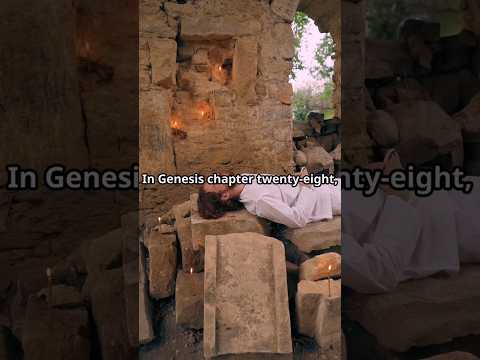
    The account in Genesis 28 is one of the most compelling and symbolic moments in the Old Testament. It takes place during a turning point in Jacob’s life, when he is leaving home under tense circumstances. Alone on the road, with nothing but a stone for a pillow, Jacob falls asleep and receives a vision that will forever shape his understanding of God. In his dream, he sees a ladder—or stairway—stretching from earth to heaven, with angels moving up and down. At the top of the ladder stands the Lord Himself, speaking words of promise and reassurance.

    This is more than just an ancient dream—it is a revelation about God’s nearness, His covenant, and the ongoing connection between the spiritual and earthly realms.

    The Setting of Genesis 28

    The background of Genesis 28 is filled with family conflict and uncertainty. Jacob has just received his father Isaac’s blessing, intended for the firstborn, and his brother Esau is furious. To avoid danger, Jacob travels toward Haran, the homeland of his mother’s family. On his journey, he stops for the night in an unfamiliar place, resting his head on a stone.

    It is here, in a moment of vulnerability, that God breaks through Jacob’s circumstances with a powerful vision. The ladder in Jacob’s dream represents a direct link between heaven and earth. The angels traveling upon it show that God’s work is constant, and His presence reaches into every part of creation.

    The Message of the Vision

    In Genesis 28, God speaks directly to Jacob, reaffirming the promises made to Abraham and Isaac: the gift of the land, countless descendants, and blessings that will extend to all nations through his lineage. More than that, God makes a personal promise: “I am with you and will watch over you wherever you go.”

    This moment is a reassurance not just for Jacob, but for all readers of Scripture. It tells us that God’s covenant is enduring and His presence is not confined to a single place. The ladder imagery reminds us that the spiritual realm is not distant—it is intertwined with our daily lives.

    Lessons for Modern Readers

    The vision in Genesis 28 speaks across time. Like Jacob, we may find ourselves in places of uncertainty, transition, or even fear. Yet the message is the same: God is present, His promises are trustworthy, and His purposes are unfolding even when we cannot see the full picture.

    Jacob’s awakening is particularly meaningful—he declares, “Surely the Lord is in this place, and I was not aware of it.” This is a reminder for us to remain attentive to God’s presence, even in ordinary or difficult moments.

    Practical Applications of Genesis 28

    To apply the truths of Genesis 28 in our daily lives, we can:

    • Pause to acknowledge God’s presence in the middle of routine tasks.
    • Trust in His promises when facing challenges or transitions.
    • Remember that He is at work behind the scenes, connecting heaven and earth.
    • Approach each day with the awareness that divine encounters can happen anywhere.

    These practices help us live with greater faith, attentiveness, and peace.

    Conclusion

    The vision of Jacob’s Ladder in Genesis 28 continues to inspire believers with its message of connection, covenant, and divine care. Just as God met Jacob in a lonely, uncertain place, He meets us in the midst of our journeys. His ladder is still in place, the angels still ascend and descend, and His presence still bridges the gap between heaven and earth.

    For those who seek Him, this story is a powerful reminder that God is closer than we think—and His promises stand firm through every season of life.

    Genesis 28 Explained: The Vision of Jacob’s Ladder.
    Genesis 28 Explained: The Vision of Jacob’s Ladder.

    P.S. If you enjoyed this reflection and want more Bible-based insights, subscribe to HolyThreadProject on YouTube so you never miss a new study or devotional.

    #Genesis28 #JacobsLadder #BibleStudy #BibleLesson #BiblicalInsights #ScriptureExplained #FaithLessons #OldTestament #ChristianFaith #GodsPromise #BibleExplained #BibleStory #SpiritualGrowth #BiblicalTeaching #FaithInspiration