Tag: Twelve tribes of Israel

  • Numbers 7 | Twelve Days of Offerings for the Tabernacle.

    Numbers 7 | Twelve Days of Offerings for the Tabernacle and the Dedication of the Altar.
    Numbers 7 | Twelve Days of Offerings for the Tabernacle.

    Numbers 7 | Twelve Days of Offerings for the Tabernacle.

    The book of Numbers 7 captures one of the most meaningful acts of worship in Israel’s history. After months of building and preparation, the Tabernacle—the sacred meeting place between God and His people—is finally complete. What happens next is a ceremony of offering, gratitude, and unity that reveals how God values faith expressed through obedience.

    The Setting of Numbers 7

    In Numbers 7, the nation of Israel gathers as each tribal leader steps forward with gifts for the dedication of the Tabernacle. The people have journeyed through wilderness hardship and divine instruction, and now they stand ready to consecrate the dwelling place of the Lord. This moment moves the story of Israel from construction to communion—God’s presence will now rest among His people.

    Twelve Tribes and Their Offerings

    For twelve consecutive days, every tribe presents the same offering: a silver plate, a silver bowl, a golden pan filled with incense, and animals for sacrifice. The repetition is deliberate. It demonstrates that every tribe is equal before God and that true worship isn’t about variety or extravagance—it’s about faithful participation. Each leader’s identical gift becomes part of a national act of unity and devotion.

    The Meaning Behind the Repetition

    Readers sometimes wonder why Numbers 7 repeats the same list twelve times. That rhythm mirrors the heartbeat of worship itself—consistent, steady, and sincere. The equality of the offerings underscores a timeless truth: in God’s eyes, obedience and humility matter more than spectacle. The pattern also teaches that community worship gains power when everyone contributes their part without comparison or pride.

    The Dedication of the Altar

    At the center of this ceremony stands the altar, the symbol of surrender and atonement. Once all the offerings are presented, the altar is anointed and set apart for sacred use. This moment transforms an object of stone and metal into a meeting point between heaven and earth. When the final gift is offered, the altar becomes holy ground—a place where human faith and divine grace connect.

    God Speaks from the Tabernacle

    The closing scene of Numbers 7 is one of the most intimate in the entire book. After the twelve days of offerings, Moses enters the Tabernacle, and God’s voice speaks to him from above the mercy seat. The message is clear: when people dedicate their hearts and their work to God, He responds with presence. Worship leads to relationship, and obedience opens the door for communion with the divine.

    Lessons We Can Learn Today

    Modern readers can draw several lessons from Numbers 7. It reminds us that unity and consistency in faith create the atmosphere for God to dwell among His people. Each act of service, prayer, or generosity—no matter how small—contributes to a greater harmony of worship. The chapter also challenges us to bring our offerings daily, not as obligation but as gratitude. Faith isn’t a one-time gesture; it’s a rhythm of giving back to the One who gives all.

    Living Our Offerings in Everyday Life

    Our offerings today may not be bowls of silver or gold, but they can be moments of service, encouragement, or time spent seeking God. Like the tribes of Israel, we bring what we have, trusting that our faithfulness—repeated and sincere—builds a dwelling place for His presence. The story of Numbers 7 shows that dedication invites divine encounter and that God still meets those who give from the heart.

    Final Reflections

    Numbers 7 isn’t just a list of gifts; it’s a portrait of unity, reverence, and relationship. Twelve tribes acted as one, offering what they could, and God answered with His voice. Their faith turned ritual into revelation. Today, that same pattern continues: when we offer our lives with humility and consistency, God fills our ordinary moments with His extraordinary presence.

    Let this passage remind you that every act of devotion—no matter how small—echoes the faith of those ancient tribes. In worship, in service, and in daily life, your offering still matters to God.

    Numbers 7 | Twelve Days of Offerings for the Tabernacle.
    Numbers 7 | Twelve Days of Offerings for the Tabernacle.

    P.S. If this reflection on Numbers 7 spoke to your heart, stay connected with HolyThreadProject on YouTube for more Bible-based insights, daily faith inspiration, and powerful short stories from Scripture. Don’t forget to subscribe and join the community walking the threads of faith together.

    #Numbers7 #BibleStudy #HolyThreadProject #FaithJourney #Tabernacle #OldTestament #BibleReflection #ScriptureStudy #ChristianInspiration #DailyDevotion #GodsPresence #UnityInWorship #BibleTeaching #FaithCommunity #WorshipAndObedience
  • Genesis 30 Bible Story: Children, Strife, and God’s Plan.

    Genesis 30 Bible Story: Children, Strife, and God’s Plan of Promise Fulfilled.
    Genesis 30 Bible Story: Children, Strife, and God’s Plan.

    Genesis 30 Bible Story: Children, Strife, and God’s Plan.

    The Bible doesn’t shy away from showing the messy realities of human life. Relationships can be complicated, emotions can run high, and faith can be tested. Genesis 30 is a striking example—a chapter filled with rivalry, longing, and the unfolding of God’s plan through very imperfect people.

    This story is not only a part of ancient history but also a mirror that reflects the struggles we face today. Jealousy, competition, and the desire for approval remain universal human experiences. Yet, in the midst of such strife, God’s purposes quietly move forward.

    The Family Conflict

    In Genesis 30, Jacob is caught between two wives—Rachel and Leah—whose relationship is defined by rivalry. Leah has given Jacob several sons, while Rachel remains barren. In a culture where children were considered a sign of divine favor, Rachel’s longing turns into desperation.

    Rachel offers her maid Bilhah to Jacob, hoping to have children through her. Leah responds by offering her maid Zilpah, and the pattern of competition continues. The births that follow—sons born to four different women—create a tangled web of relationships that will later become the foundation of the twelve tribes of Israel.

    Lessons on Human Nature

    This chapter reveals that people often seek fulfillment through competition, control, or manipulation. Both Rachel and Leah struggle to find contentment, defining their worth through their ability to bear children. In our modern lives, the symbols may change—careers, possessions, recognition—but the underlying drive for validation remains the same.

    God’s Work in Imperfect Lives

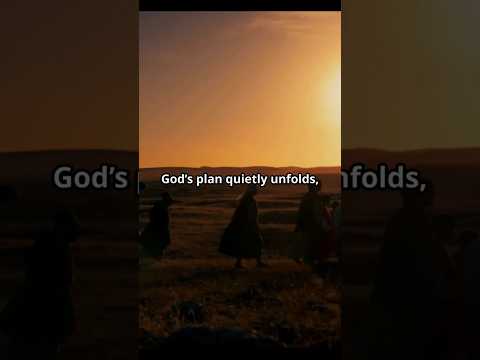
    Even amid jealousy and conflict, God’s larger plan is quietly unfolding. The sons born in Genesis 30 are not random; each will play a role in Israel’s history. This reminds us that God can use even flawed circumstances to bring about His purposes.

    From a faith perspective, this is deeply reassuring. We may believe that our mistakes, rivalries, or pain can derail God’s plan, but Scripture consistently shows the opposite. Our human failures do not block His faithfulness.

    Practical Applications Today

    The account in Genesis 30 offers timeless wisdom:

    1. Avoid comparison—measuring yourself against others breeds discontent.
    2. Trust God’s timing—Rachel’s eventual blessing came later, reminding us that delays are not denials.
    3. See beyond the conflict—God may be working in ways we cannot yet see.
    4. Redefine worth—value is not found in achievement but in being loved by God.

    The Bigger Picture

    By the end of Genesis 30, we see a family that is far from perfect, yet chosen for a divine purpose. The chapter foreshadows God’s pattern throughout Scripture—working through unlikely people to accomplish great things.

    Jacob’s household, marked by rivalry and strife, will become the foundation of a nation. It’s a reminder that your current season, no matter how messy, may be a building block in something far greater than you imagine.

    Conclusion

    The story of Genesis 30 invites us to look at our lives with honesty and hope. Rivalry, unmet desires, and complicated relationships are part of the human story—but they are not the whole story. God’s plan is not fragile; it weaves through every circumstance, using even our weaknesses for good.

    Whether you see yourself in Rachel’s longing, Leah’s pain, or Jacob’s tension, the message is the same: you are part of something bigger. Trust the process, stay faithful, and remember that God’s purposes are always at work.

    Genesis 30 Bible Story: Children, Strife, and God’s Plan.
    Genesis 30 Bible Story: Children, Strife, and God’s Plan.

    PS: If this message from Genesis 30 encouraged your faith, subscribe to HolyThreadProject on YouTube for more Bible insights and timeless lessons from God’s Word.

    #BibleStory #Genesis30 #GodsPlan #BibleLessons #ScriptureStudy #FaithInGod #OldTestament #BiblicalWisdom #TrustGod #BibleInspiration